[Presentation created May 2020]
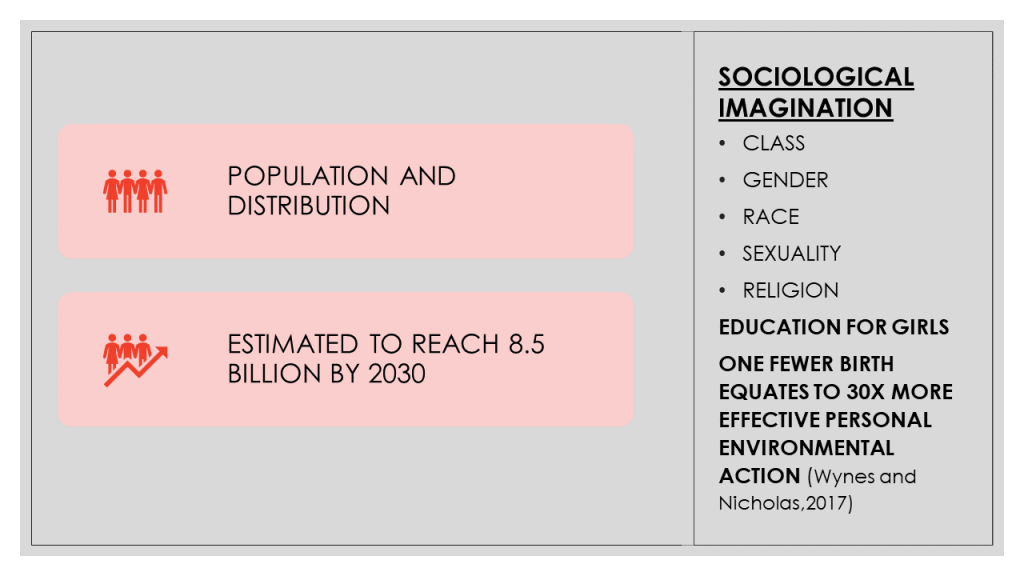
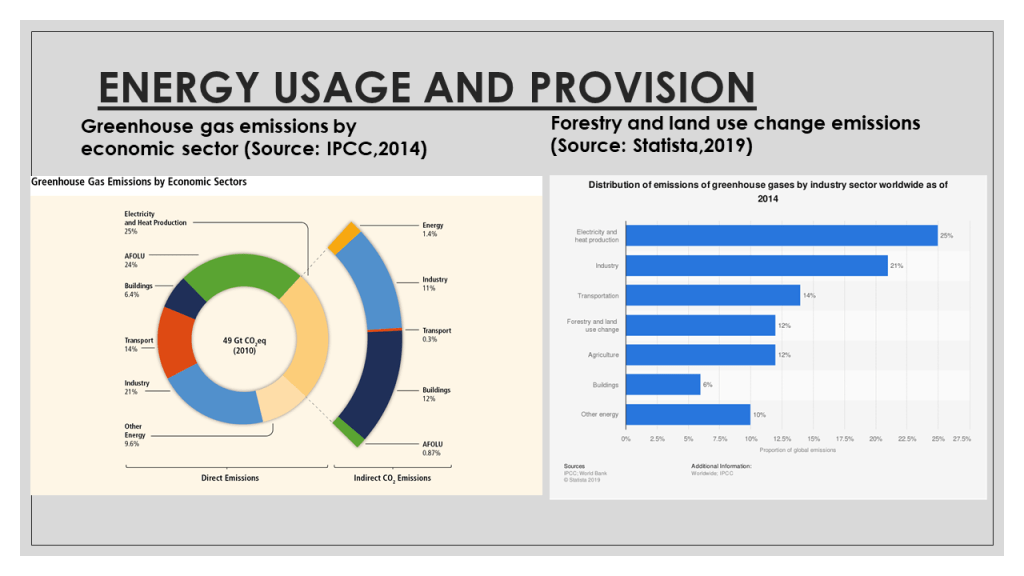
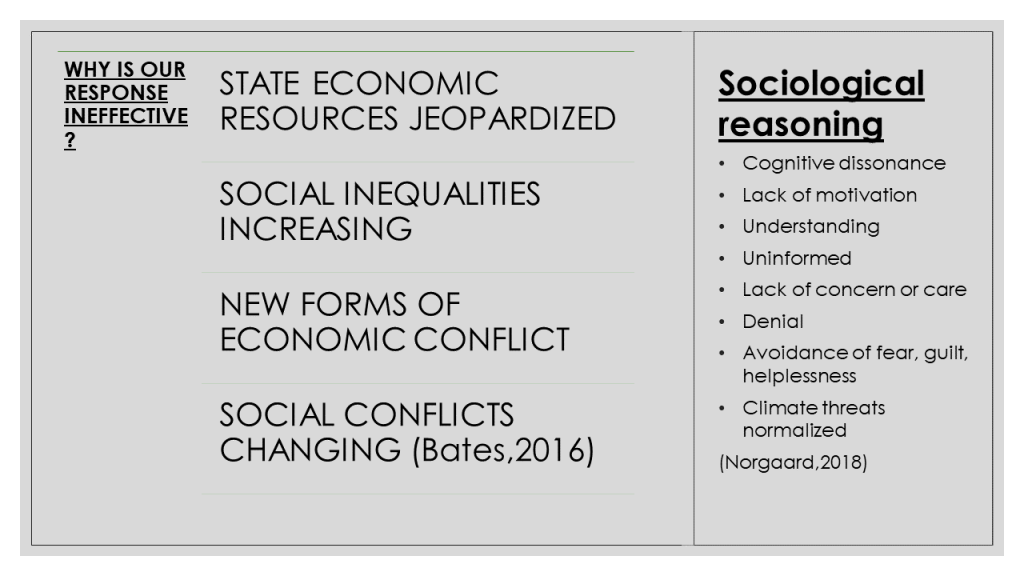
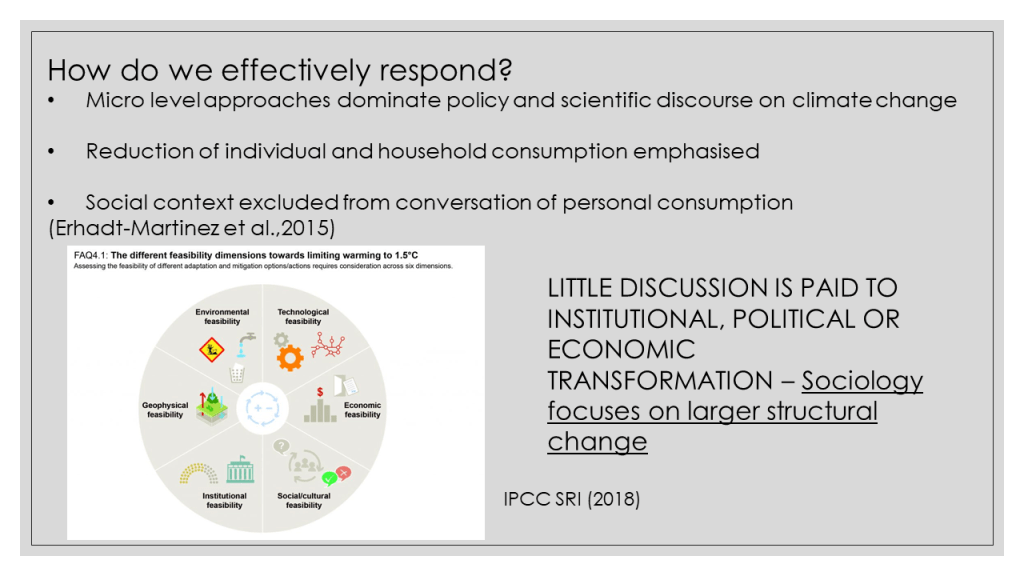

Planet-arian or Plan-etarian = actions for the planet and a plan to save the world
[Presentation created May 2020]
[Essay written February 2020]
Introduction:
Our species is now in severe danger from the threat of climate change. This requires us to invoke the precautionary principle which is described as answering the call of social responsibility to protect the public from harm when scientific investigation has found a plausible risk (Read,2017). Recent data analyses show that 2019 had the warmest ever global ocean temperatures (Cheng et al. 2020); the second warmest annual land temperatures (NOAA,2020); the second largest summer arctic ice melt (NSIDC,2020) and the highest carbon dioxide levels in the atmosphere (NOAA,ESRL,2020), all since records began. The IPCC 1.5 special report states that greenhouse gas (GHG) emissions must fall by 45% by 2030 and by 80% by 2050 (IPCC SR15,2018). The problem with the IPCC predictions is that they fail to include most positive feedback mechanisms of nature’s globally interconnected systems (Spratt & Dunlop,2018). This gives us reason to believe we must act much faster than previously anticipated and with much more drastic actions.
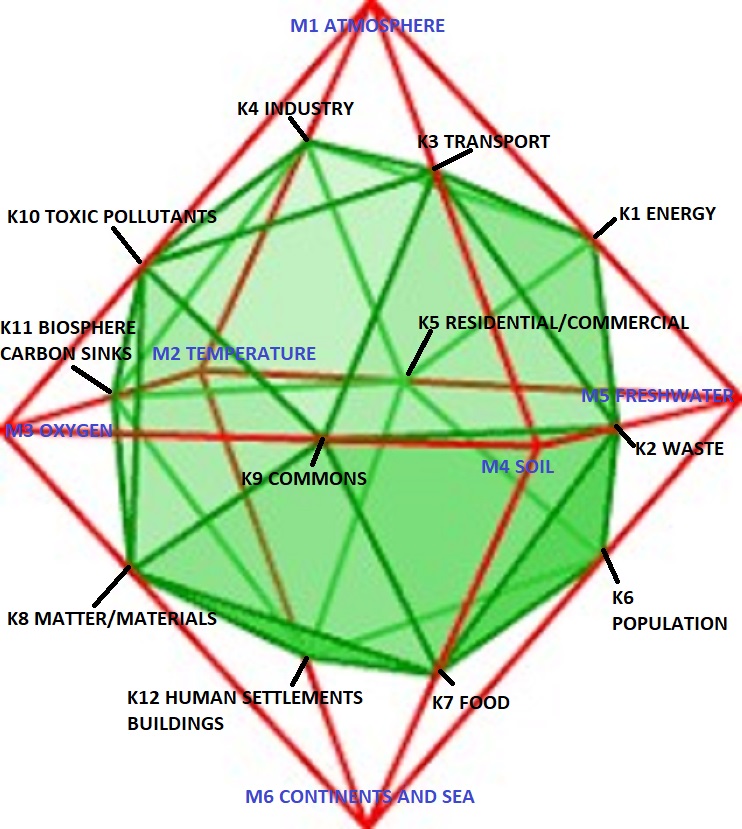
Climate change is dependent on multiple factors of which the most impactful include GHG concentrations in the atmosphere. Using a systems-based approach the variables of global civilization are listed and organised in a geometric and tabular model titled the Planetarian framework developed by the author of this policy brief (Goldson, 2020). This divides the system of Earth’s civilization into three units of the system rules, input and output with subunits describing multiple subsystems as shown in table 1. Subunits I and K refer to human designed civilization which is split into broad categories as shown in tables 2 and 3 respectively.
TABLE 1: The units, subunits and adjuncts of the Planetarian framework
| Unit | Subunit designation | Geometric representation | Subunit of framework described | System Units and Adjuncts description |
| Primary = POWER | 00 | Centroid | The laws of Physics | System Rules |
| Primary | X | Sphere X | Variables which determine the state that two or more people or groups will exist in between each other. | System Rules |
| Primary | Y | Cube 1 | The general states that individuals, groups, tribes, nations and alliances can be in regard to the other. | System Rules |
| Primary | Z | Sphere 0 | The DNA and neurodevelopment which determines neurochemistry | System Rules |
| Primary | Ω | Dodecahedron 1 | The general rules of neurochemistry that determine decisions, actions and behaviour of individuals | System Rules |
| Primary | Φ | Sphere 1 | The meaning of life | System Rules |
| Primary | A | Icosahedron 1 | The rules of power | System Rules |
| Primary | B | Sphere 2 | Human philosophy | System Rules |
| Primary | C | Octahedron 1 | Fundamental Human and Natural systems | System Rules |
| Secondary = THE HUMAN CONDITION | D | Sphere 3 | Human rights and Human nature | System Input – Self interaction |
| Secondary | E | Stellated Octahedron (merkaba) | The human condition – Interrelational tendencies | System Input – Self interaction |
| Secondary | F | Sphere 4 | Human beings and Personal actions | System Input – Individual humans |
| Secondary | G | Cube 2 | The human experience and lifecycles | System Input – Individual humans |
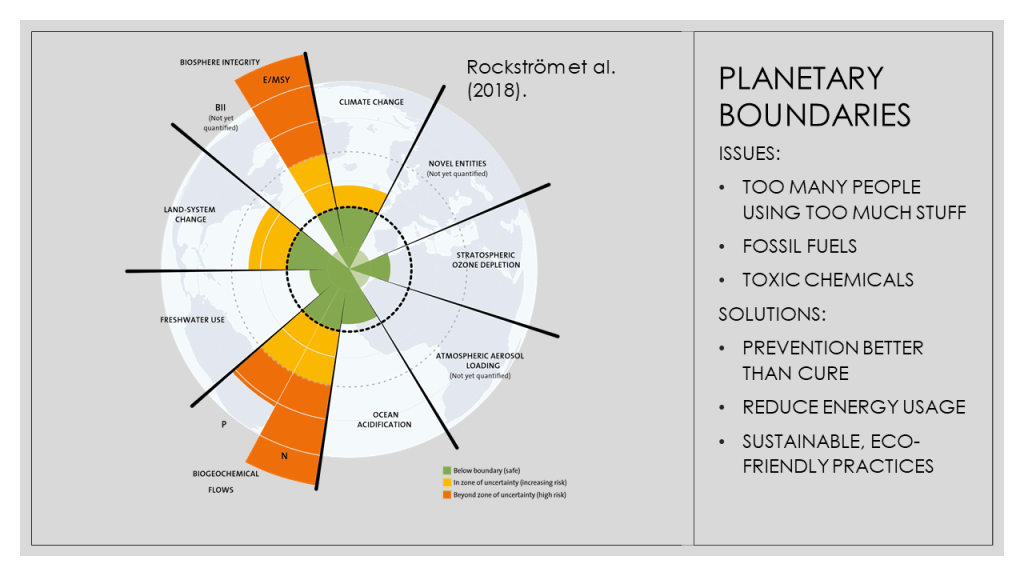
| Tertiary = PLANETARY BOUNDARIES | H | Sphere 5 | Rules for Civilization design and structure | System Output |
| Tertiary | I | Dodecahedron 2 | Human designed Civilization infrastructure – Human mental constructs | System Output |
| Tertiary | J | Sphere 6 | Information used to determine international agreements on action, resource use and allocation | System Output |
| Tertiary | K | Icosahedron 2 | Human and environmental physical systems | System Output |
| Tertiary | L | Sphere 7 | The human capacity to overcome challenges and innovate The Planetarian Hive Mind The collective willpower, intelligence, psychological capacity and capability to extend the longevity of the existence of the human species in the face of existential threat from climate change. | System Output |
| Tertiary | M | Octahedron 2 | Earth’s primary systems for human survival | System Output |
| Tertiary | N | Sphere 8 | Variables which contribute to the overall radiative forcing amount on earth | System Output |
| Tertiary | O | Cube 3 | Radiative Forcing Factors on Earth | System Output |
| Tertiary | P | Sphere 9 | Variables which can increase or reduce potential positive feedback loops in environmental systems | System Output |
| Tertiary | Q | Dodecahedron 3 | Positive Feedback loops in Earth’s environmental systems | System Output |
| Tertiary | R | Sphere 10 | Variables which effect and determine the limits that Earth’s natural systems can reach and maintain a dynamic equilibrium | System Output |
| Tertiary | S | Icosahedron 3 | Major components which govern the dynamic equilibrium of Earth’s natural systems and determine habitability for life | System Output |
Table 2: Variables to be considered for a sustainable civilization from subunit I of the planetarian framework (Source: Goldson,2020)
| Subunit I Nodes | Descriptors of dodecahedron 2 nodes – Civilization designed infrastructure | Combination of subunit K nodes that form general components of Subunit I Node |
| I1 | Climate Change | Energy + Transport + Industry |
| I2 | Energy Usage and Provision | Energy + Industry + Residential/Commercial |
| I3 | Building and Utilities Use | Energy + Population + Residential/Commercial |
| I4 | Reproduction | Energy + Population + Waste |
| I5 | Resource Use and Consumption | Energy + Transport + Waste |
| I6 | Ecocurrency = True cost | Transport + Commons + Chemical Pollution |
| I7 | Circular Economy | Waste + Commons + Transport |
| I8 | Biodegradability and Landfills | Waste + Commons + Food |
| I9 | Freshwater Use | Waste + Population + Food |
| I10 | Inequality and Integration | Population + Food + Human Settlements/Buildings |
| I11 | Nation States | Population + Residential/Commercial + Human Settlements/Buildings |
| I12 | Global Governance | Biosphere + Residential/Commercial + Human Settlements/Buildings |
| I13 | Renewability and Sustainability | Industry + Biosphere + Residential/Commercial |
| I14 | Healthcare, Research and Medicine | Industry + Biosphere + Residential/Commercial |
| I15 | Work and Labour | Transport + Industry + Chemical Pollution |
| I16 | Agriculture (AFOLU) | Matter/Materials + Biosphere + Chemical Pollution |
| I17 | Land and Property Ownership | Matter/Materials + Biosphere + Human Settlements/Buildings |
| I18 | Nutrition and Diet | Matter/Materials + Food + Human Settlements/Buildings |
| I19 | Conservation | Matter/Materials + Commons + Food |
| I20 | Corporate Regulation | Materials + Commons + Chemical Pollution |
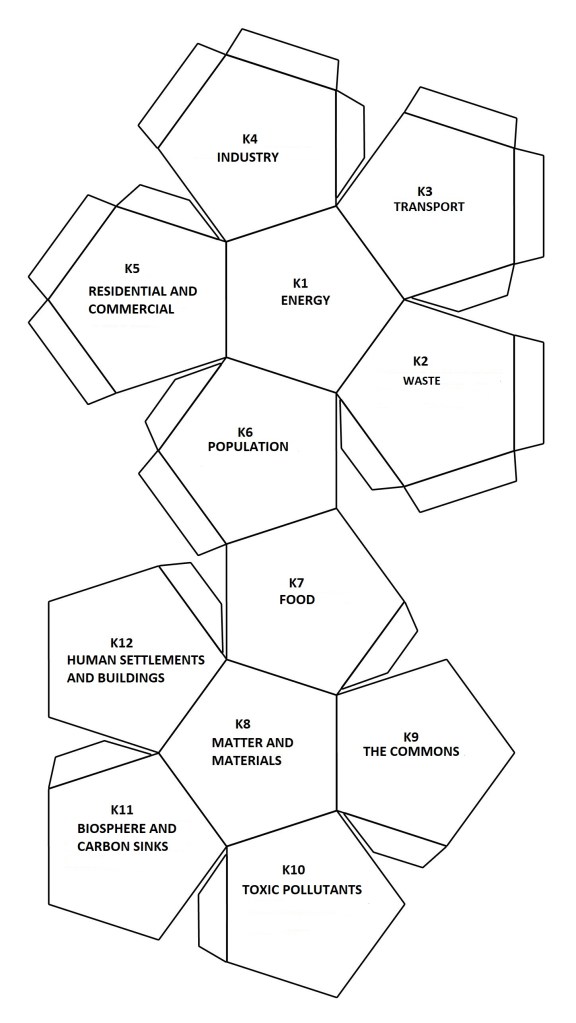
Table 3: Largescale components of civilization from subunit K of the planetarian framework (Source: Goldson,2020)
| Subunit K Node Designations | Descriptors – Icosahedron 2 – Human and environmental physical systems |
| K1 | Energy |
| K2 | Waste |
| K3 | Transport |
| K4 | Industry |
| K5 | Residential and Commercial |
| K6 | Population |
| K7 | Food |
| K8 | Matter and Materials |
| K9 | Commons |
| K10 | Toxic Pollutants |
| K11 | Biosphere and Carbon Sinks |
| K12 | Human settlements and buildings |
Policy suggestions:
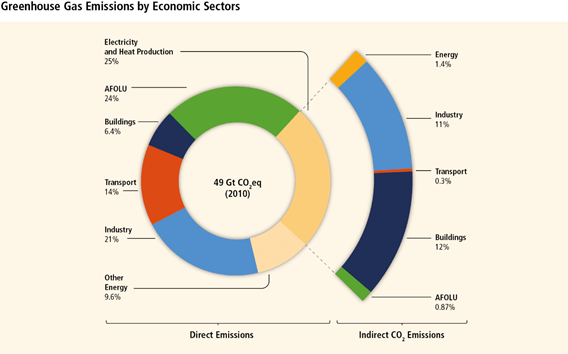
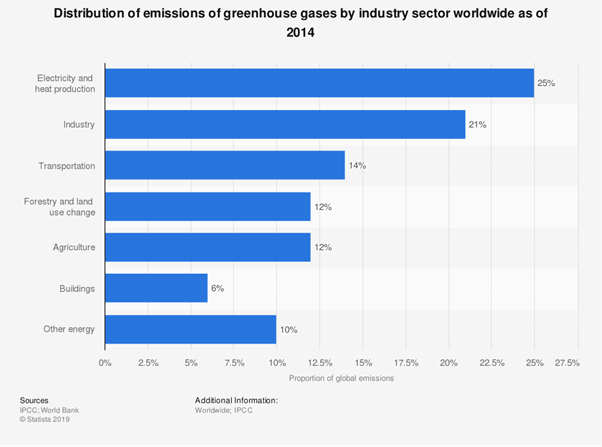
Table 4: Categories of global carbon sinks and how they are affected by climate change
| Green carbon sinks – forests, terrestrial plants and soils |
| Forests and plants: With increased deforestation and forest dieback we see less CO2 absorbed by photosynthetic plants and trees. This allows atmospheric CO2 to rise which increases temperatures further and causes more forest dieback. Forest dieback contributes to precipitation reduction, firstly, by the biophysical feedback of reduced forest cover reducing evaporative water recycling. Secondly through the biogeochemical feedback by the release of CO2 adding to global warming. There is also a physiological forcing whereby rising CO2 forces stomatal closure which is the site of the plant through which gaseous exchange occurs (Betts et al,2004). Forests and terrestrial plants absorb carbon through a phytolithic sequestration process which is coupled to the biogeochemical silicon cycle. Silicon fertilizers can enhance carbon uptake (Song et al,2017). |
| Soils: Soils contain more carbon stores than all terrestrial vegetation and the atmosphere combined (Batjes,2016). Intensive agriculture from overgrazing and tilling contributes to depleting this vital carbon sink which could be managed better with regenerative agriculture methods (Marshall,2015). |
| Blue carbon sinks – Oceans and coastal ecosystems |
| Oceans: The solubility pump describes the process of atmospheric CO2 dissolving in seawater and it is the primary mechanism of CO2 uptake in ocean waters (Lade et al,2018). The solubility of CO2 in seawater decreases with increasing water temperature and thus with less CO2 absorbed there is increased heating which further reduces seawater CO2 solubility. The biological pump is that which describes the ocean life which sequesters carbon through the food web. An essential part played in this food web is that of phytoplankton which absorbs carbon into their shells. Ocean acidification, which increases with the increased amount of CO2 absorbed, reduces the ability of phytoplankton to thrive and form the carbonates needed for their shells thus reducing their numbers and sequestration capacity. |
| Coastal ecosystems: Mangrove forests along the coasts are also a carbon sink which if lost to sea level rise would reduce CO2 absorption and create a feedback loop (Wilson,2017). |
| Teal Carbon sinks – Freshwater wetlands |
| Wetlands: Wetlands hold a disproportionately large amount of carbon when compared to other soils. They only account for 5-8% of the earth’s land surface yet hold between 20-30% of total soil carbon (Nahlik & Fennessy,2016). |
18. Global Governance: The United Nations would serve as the most appropriate organisation to negotiate and approve such large scale multinational political, economic, environmental and social policies. The conference of the parties is the largest and most inclusive stage for deliberation on environmental issues and the policies. The policies proposed here could be raised and debated upon at this global forum. Currently the IPCC is considered as the world’s foremost authority on climate change issues and is used by policymakers to set their future policies. Their models are to be questioned though as their predictions on global temperature increases have been consistently too conservative and their datasets do not include the dangerous factors of positive feedback loops (Spratt & Dunlop,2018). This data is excluded on the grounds that not enough knowledge is known to quantify these feedback loops but they pose such a threat that if ignored could push us past a point of no return and cause climate catastrophe. These feedback loops are listed in the planetarian framework in subunit Q and shown in table 5.
Table 5: Positive Feedback loops and Earth’s environmental systems which are affected by such feedback loops from subunit Q of the planetarian framework (Source: Goldson,2020)
| Subunit Q Nodes | Descriptors of dodecahedron 3 nodes – Positive Feedback loops and Earth’s environmental systems which are affected by such feedback loops |
| Q1 | Green house gas concentrations in the atmosphere |
| Q2 | Forest Dieback weakens the ecosystem leaving it more vulnerable to further dieback |
| Q3 | Forest Fires spreading to human settlements increasing carbon dioxide emissions |
| Q4 | Polar ice caps, sea ice and glacier melt reduces surface albedo and increases sea level |
| Q5 | Melting of permafrost and methane hydrates under sea releasing potent GHG methane into the atmosphere |
| Q6 | Watervapour in the atmosphere as a green house gas |
| Q7 | Migration of tropical clouds towards poles, Unpredictable changes to monsoon seasons |
| Q8 | Jet streams – Polar Cell, Ferrel Cell, Hadley Cell |
| Q9 | El nino and La nina oceanic phenomena |
| Q10 | Thermohaline circulation disruption due to decreased water salinity |
| Q11 | Aquifer and water table depletion |
| Q12 | Increased carbon dioxide can cause stomatal closure in leaves which limits gaseous exchange and decreases the uptake of further carbon dioxide |
| Q13 | Rainforest hydrological cycle, transpiration from trees creates microclimate that is self sustaining and recycles water in that ecosystem |
| Q14 | Boreal Forests as carbon sinks |
| Q15 | Mangrove forests as carbon sinks |
| Q16 | Wetlands and Peat bogs as carbon sinks |
| Q17 | Soil erosion as soil is a vital carbon sink eg. Overgrazing, tilling |
| Q18 | Rainforest Land Coverage as a carbon sink |
| Q19 | Ocean biological pump – eg. Phytoplankton as a carbon sink and oxygen producer |
| Q20 | Ocean solubility pump – beyond carbon dioxide saturation it can no longer absorb it |
Summary:
Existing global attempts to devise goals and set policies to prevent climate disaster have shown little efficacy and are not aggressive enough. The continued acceleration of increasing global temperatures and GHG concentrations in the atmosphere demonstrates the failure of these efforts. The policy’s proposed here offer a more stringent yet stark approach to resolving the crisis.
Negative social implications from these policies which are not explored in this policy brief could be ameliorated if they are anticipated and researched ahead of time to develop strategies for a smoother transition away from our current global operating model.
References:
Batjes, N.H. (2016) Harmonized soil property values for broad scale modelling (WISE30Sec) with estimates of global soil carbon stocks. Geoderma 269 61-68
Betts, R. Cox, P. Collins, M. Harris, P.P. Huntingford, C. Jones, C.D. (2004) The role of ecosystem-atmosphere interactions in simulated Amazonian precipitation decrease and forest dieback under global climate warming. Theoretical and applied climatology. 78(1-3) 157-175
Catlin, C. S. (1997) Four-day work week improves environment Journal of Environmental Health; Denver Vol. 59, Iss. 7, 12-15.
Centola, D. Becker, J. Brackbill, D. Baronchelli, A. (2018) Experimental evidence for tipping points in social convention Science Vol 360, Iss. 6393 pp. 1116-1119
Cheng, L., et al., (2020): Record-setting ocean warmth continued in 2019. Adv. Atmos. Sci., 37(2),137−142, https://doi.org/10.1007/s00376-020-9283-7
Coote, A. Franklin, J. and Simms, A. (2010) ’21 hours’ The New Economics Foundation. Available at: https://neweconomics.org/uploads/files/f49406d81b9ed9c977_p1m6ibgje.pdf
Ecounit (2012) Human and Resources economic system manifesto. Available at: http://ecounit.org/files/ekounit.pdf https://www.youtube.com/watch?v=3Vh_gnRrETk
Gang, H. (2017) Three lessons from China’s effort to bring electricity to 1.4 billion people. Available at: https://www.chinadialogue.net/article/show/single/en/9934-Three-lessons-from-China-s-effort-to-bring-electricity-to-1-4-billion-people
Goldson, L. (2020) The Planetarian Framework of Civilization – Updated and Explained. Where to go next? Available at: https://wordpress.com/block-editor/post/planetarian85.music.blog/106
Hawken, P. (2017) Drawdown the most comprehensive plan ever proposed to roll back global warming, USA, Penguin books
IPCC, (2014): Summary for Policymakers. In: Climate Change 2014: Mitigation of Climate Change.Contribution of Work-ing Group III to the Fifth Assessment Report of the Intergovernmental Panel on Climate Change [Edenhofer, O., R. Pichs-Madruga, Y. Sokona, E. Farahani, S. Kadner, K. Seyboth, A. Adler, I. Baum, S. Brunner, P. Eickemeier, B. Kriemann, J. Savolainen, S. Schlömer, C. von Stechow, T. Zwickel and J.C. Minx (eds.)]. Cambridge University Press, Cambridge, United Kingdom and New York, NY, USA
IPCC SR15 (2018), Global warming of 1.5°C, Masson-Delmotte, V. Zhai, P. Pörtner, H. O. Roberts, D. Skea, J. Shukla, P. R. Pirani, A. Moufouma-Okia, W. Péan, C. Pidcock, R. Connors, S. Matthews, J. B. R. Chen, Y. Zhou, X. Gomis, M. I. Lonnoy, E. Maycock, T. Tignor, M. Waterfield, T (2018) IPCC, 2018: Summary for Policymakers. In: Global warming of 1.5°C. An IPCC Special Report on the impacts of global warming of 1.5°C above pre-industrial levels and related global greenhouse gas emission pathways, in the context of strengthening the global response to the threat of climate change, sustainable development, and efforts to eradicate poverty World Meteorological Organization, Geneva, Switzerland, 32 pp
Read, R. O’riordan, T. (2017) The precautionary principle under fire. Environment science and policy for sustainable development. 59(5) 4-15
Kaufmann, J. Moynihan, R. (2019) ‘Electric trucks like the Tesla Semi are ‘pointless both economically and ecologically,’ according to a vehicle-tech expert’ Business Insider. Available at: https://www.businessinsider.com/this-expert-says-tesla-semi-is-economically-and-ecologically-pointless-2019-2?r=US&IR=T
Lade, S.J. Donges, J.F. Fetzer, I. Anderies, J. M. Beer, C. Correll, S.E. Gasser, T. Norberg, J. Richardson, K. Rockstrom, J. Steffen, W. (2018) Analytically tractable climate-carbon cycle feedbacks under 21st century anthropogenic forcing. Earth.syst.Dynam. 9 507-523
Marshall, L. (2015) Organic-plus? Natural foods merchandiser; Badle 36(10) 23-24, 26
Mcelwee, S (2014) ‘THE INHERITANCE OF LOSS America’s new wealthy have so little to offer society’ Quartz. Available at: https://qz.com/196575/to-get-rich-forget-entrepreneurship-and-marry-wealthy/
Nahlik, A.M. Fennessy, M.S. (2016) Carbon storage in US wetlands. Nature Communications 7: 13835
Nash, B. (2019) #01 Refrigerant Management. Available at: https://barnabythinks.com/2019/05/19/01-refrigerant-management/
NOOA (2020) Assessing the Global Climate in 2019. Available at: https://www.ncei.noaa.gov/news/global-climate-201912
NOAA, ESRL, Global Monitoring Division (2020) Available at: https://www.esrl.noaa.gov/gmd/ccgg/trends/index.html
National snow and ice data centre, (2020) That’s a wrap: A look back at 2019 and the past decade. Available at: https://nsidc.org/arcticseaicenews/2020/01/thats-a-wrap-a-look-back-at-2019-and-the-past-decade/
Piketty, T. (2013) Capital in the twenty-first century Cambridge, MA: Belknap Press, 2014 Translated by Goldhammer, A.
Raworth, K. (2017). Doughnut economics: seven ways to think like a 21st-century economist. New York, United States: Random House. ISBN 978-184794138-1.
Spratt, D. Dunlop, I. (2018) What Lies Beneath. The understatement of existential climate risk. Breakthrough. National centre for climate restoration. Available at: https://docs.wixstatic.com/ugd/148cb0_a0d7c18a1bf64e698a9c8c8f18a42889.pdf
Statista (2019) Available at: https://www.statista.com/statistics/270723/distribution-of-global-greenhouse-gas-emissions-by-sector-worldwide/
Song, Z. Liu, H. Stromberg, C.A.E. Yang, X. Zhang, X. (2017) Phytolith carbon sequestration in global terrestrial biomes. Science of the total environment 603-604: 502-509
The World Bank (2018) Available at: https://data.worldbank.org/indicator/SP.RUR.TOTL.ZS?most_recent_value_desc=true
United Nations (2019) Department of Economic and Social Affairs, Population Division World Urbanization Prospects: The 2018 Revision (ST/ESA/SER.A/420). New York: United Nations
Wilson, R. (2017) Impacts of climate change on mangrove ecosystems in the coastal and marine environments of Caribbean small island developing states (SIDS). Caribbean marine climate change report card; science review: Science Review 2017 60-82
Wynes, S, Nicholas, K. A. (2017) The climate mitigation gap: education and government recommendations miss the most effective individual actions, Environmental Research Letters, 12(7)
Zhou, X. Passow, F.H. Rudek, J. von Fisher, J.C. Hamburg, S.P. and Albertson, J.D. (2019) Estimation of methane emissions from the U.S. ammonia fertilizer industry using a mobile sensing approach. Elem Sci Anth, 7(1), p.19. DOI: http://doi.org/10.1525/elementa.358
The purpose of this blog post is to provide the means for researchers and readers to better understand how to use this framework to better help understand civilization. To fully understand the arrangement of the nested platonic solids selected for this model with their inspheres, please see the previous blog post which explains this. A few tables and images have been updated but this is still in a drafting stage, currently in it’s second iteration. I can still see places for refinements or alternative placements for vertex labels. One thing which is not consistent throughout this current framework is the order in which the vertices are labelled. When we take one polarity for instance of the northern poles of icosahedron 1 and 2 there is an opposite numbering sequence from that pole to the southern pole where one moves in a clockwise spiral (Icosahedron1) and the other in a part anticlockwise spiral in the northern hemisphere which then reverts to a disconnected clockwise spiral in the southern hemisphere (Icosahedron 2). Its details like this and the multiple choices available for each vertex which form different permutations, particularly between the complex nested dodecahedron in the icosahedron, which make for a confusing and difficult framework to create. Ultimately, this has not been an exercise of exact science but i instead built the framework from simple ideas and realised that symmetries were going to be important to demonstrate that there is an order in civilization. Just as the universe itself is based on symmetries such as in the standard model of physics (this information would be contained in subunit 01, the centroid of the framework which is the origin of the axes which these polyhedra are centred around). (UPDATE 9/2/2020: polyhedra labels require updating in this text as tables have been extended to include more layers)
The most confusing part of this current iteration is where we move onto describing the dodecahedron and we use the icosahedral net to describe the dodecahedrons vertices since the faces of the icosahedron correspond to these said vertices. Then similarly we use the same technique to describe the icosahedral vertices. This works because they are duals of one another, having equal and opposite number of faces and vertices.
I would like to leave this post with the tables listed as they are here and with the images followed up in a sequence from which the organisation and layers of the nested platonics can be better understood simply by viewing them like this. My advice, which i myself did with the first iteration, was to print these out as they are like this and cut the pages up to piece the tables together where they become separated in the printing process. Then find a wall or large board where you can attach these papers to and form a display in a location you may find yourself in frequently or can quietly retreat to and sit with a refreshment snack or beverage. Then peruse the framework often and ruminate on the information it contains and read the tables and view the images both in the original table order but analyse them moving in the reverse order also. There are fundamental components at both the inner and outer layers of the framework so it can make more sense when viewing them from either end as you move inwards or outwards.
There is scope to include a further dodecahedron inside of icosahedron 1, this might be useful to display the very basis of our experience here in life which is that of brain chemicals. (UPDATE 9/2/2020: This has now been updated in this blogpost with an extended framework) The polarity would describe the positive and sustainable practices of obtaining brain chemicals versus the negative and destructive means of obtaining them. There must be balance in all of this which is where we must recognise that the universe, life and civilization is governed not just by the dualities of positive vs negative; sustainable vs unsustainable; feminine vs masculine; moral vs immoral; compassionate vs sadistic; growth vs collapse; conservation of biosphere (primary life support systems) vs climate change; Energy vs matter and Atmosphere vs Land and Sea. But it is important to realise that this balance forms a triality, where moderation is found in a neutral component between these two polarities. This is evident in physics where it could be posited that every physical system has available to it a continuum of states running between the positive and negative polarities with the neutral as a centre of these axes. Examples include the atom with positive protons, negative electrons and neutral neutrons and all orbital systems such as planetary motions about the sun, galaxies and their blackhole “singularities”. These form this triality in the form of having a positive polarity of convergence (or collapsing inward to the centre), a negative divergence (where the system falls apart and components break away without connection maintained) and the neutral form of the system where a stable orbit is maintained and the two polarities are in balance. This symmetry argument may guide humanity to understand itself better as individuals and as a collective civilization so we can be radically honest about all of our polarities which exist in the system and where things are out of balance or where no neutral balancing mechanisms even exist. This is the premise of the framework and i can be thankful i did a physics degree as it perhaps aided me in understanding this detail of the universe. You will immediately notice that the framework is split into 3 units as a triality which are those of power (positive): The system rules; the human condition (neutral): The system input; and planetary boundaries (negative): The system output. This is the triality we must understand to overcome our problems globally where power represents the positive/masculine/convergent/unsustainable component, the human condition is that of the neutral and the planetary boundaries as the negative/feminine/divergent/sustainable component.
My next steps are to complete two courses this year for the Sustainability MSc and spend the summer, autumn and winter catching up on the entire field working on this problem. During this time i will be fleshing out a plan for humanity to take action to reach a stable state and overcome this imbalance caused by human induced climate change and biosphere destruction. I begin first with imagining this stable end state, reviewing our current state and identifying which things need to change and how we may be able to achieve this with the hope of forming an aggressive, fast-paced yet realistic and gentle plan to enact these changes. We must remember that the basis of our experience here on earth is fundamentally governed by brain chemicals and that we should focus on promoting the generation of sustainably sourced brain chemicals to ease this transition and create a more satisfying, safer and more adventurous experience for all of humanity for the future. 2020 will be about laying the groundwork to disseminate my ideas further with 2021 seeing me complete 3 final course modules culminating with a 15,000 word dissertation beginning september 2021 (if all goes according to plan [update: spoke to soon…]). I feel that i have a reasonably firm grasp on the problem now and the solutions which we require, i have a range of simple and radical interventions which can help us transition to an advanced civilization. It won’t be easy but there is hope and we must be brave and ambitious as we deal with the fallout of our species’ rapid expansion and operations on earth over the last two centuries.
Some of the words are in bold, which is an artefact of copying and pasting from a previous essay where i highlighted variables which played a factor in the collapse of agriculture and society during the great leap forward in china in the 1960’s (see my previous post of this topic). I might leave this detail intact as it is helpful to break up the dense blocks of text with some form of variation as it can all become a complex haze of information overload for the reader.
The units, subunits and adjuncts of the Planetarian framework
| Unit | Subunit designation | Geometric representation | Subunit of framework described | System Units and Adjuncts description |
| Primary = POWER | 01 | Centroid | The laws of Physics | System Rules |
| Primary | 00 | Sphere 0 | The meaning of life | System Rules |
| Primary | A | Icosahedron 1 | The rules of power | System Rules |
| Primary | B | Sphere 1 | Human philosophy | System Rules |
| Primary | C | Octahedron 1 | Fundamental Human and Natural systems | System Rules |
| Secondary = THE HUMAN CONDITION | D | Sphere 2 | Human rights and Human nature | System Input – Self interaction – adjunct 1a |
| Secondary | E | Stellated Octahedron (merkaba) | The human condition – Interrelational tendencies | System Input – Self interaction – adjunct 1b |
| Secondary | F | Sphere 3 | Human beings and Personal actions | System Input – Individual humans – adjunct 2a |
| Secondary | G | Cube | The human experience and lifecycles | System Input – Individual humans – adjunct 2b |
| Tertiary = PLANETARY BOUNDARIES | H | Sphere 4 | Rules for Civilization design and structure | System Output |
| Tertiary | I | Dodecahedron | Human designed Civilization infrastructure – Human mental constructs | System Output |
| Tertiary | J | Sphere 5 | Information used to determine international agreements on action, resource use and allocation | System Output |
| Tertiary | K | Icosahedron 2 | Human and environmental physical systems | System Output |
| Tertiary | L | Sphere 6 | The Planetarian Hive Mind The collective willpower, intelligence, psychological capacity and capability to extend the longevity of the existence of the human species in the face of existential threat from climate change. | System Output |
| Tertiary | M | Octahedron 2 | Earth’s primary systems for human survival | System Output |
The Meaning of Life
| Subunit 00 Node designations | Systems, Actions and/or Interests | Factors and variables |
| 00 | Meaning of life | Purpose and life mission – Procreation, discovery, progress, goals Meaning – truth and knowledge understanding and discovery Joy, Happiness, Pleasure Love Victory, Glory Adventure Power (for good or bad) Brain chemicals – All the aforementioned are essentially governed by release of brain chemicals dopamine, serotonin, oxytocin etc. Understanding and knowledge of neurochemistry |
The rules of power
| Subunit A Node Designations and descriptors – Pairs of Variables of the Rules of Power | |
| A12 Morality: Needs of the many, Selflessness, Survival, Security, Safety, Compassion, Honour | A1 Immorality: Self interest, Desire, Greed, Ego, Common interest, Agenda, Fear, Hatred |
| A8 Strength in Numbers: Alliances, Resources, Provision, Access | A2 Control: Acquisition, Stealing, Lobbying, Manipulation |
| A9 Leadership: Authority, Credibility, Reputation, Experience | A3 Domination: Tyranny, Ownership, Oppression, Dictatorship, Slavery, Subjugation |
| A10 Dominance: Natural order, Strength, Skill, Tactics, Instinct | A4 Force: Weapons, Threats, Blackmail, Intimidation, Coercion, Bribery |
| A11 Trust: Information, Intelligence, Diplomacy, Cooperation, Persuasion, Truth, Knowledge | A5 Corruption: Anonymity, Secrecy, Lies, Exclusivity, Organised crime |
| A7 Decision Making: Planning, Timing, Foresight | A6 Action: Bravery, Risk, Boldness, Confidence |
Human philosophy and Fundamental Human and Natural systems
| B – Sphere 1 | Philosophical | Religion, Faith and spirituality, Consciousness, Sentience, Respect for life and earth, Knowledge and understanding, Ethics and values, Morality, Equality, Diversity, Tolerance, Gender roles, Truth, Inclusivity, Humanitarianism, Meaning of life, The limiting of suffering, Logocracy, Meritocracy, Technocracy, Noocracy Nihilism, Immorality, Apathy, Evil |
| C1 | Humanity | Evolution, Evolution of the brain, Human history, Population, Tribalism, Kinmanship, Territory, Villages, Towns, Cities, States, Countries, Continents, Country alliances, Authority, Power, Organisation, Order, Language, Nationality, Revolution Crimes against humanity, Fascism, Autocracy, Terrorism, Genocide, War, Despotism, Tyranny, Authoritarianism, Ultranationalism, Dictatorship, Totalitarian, Corruption, Mafia, Organised crime, Imperialism, Oligarchy, Dystopia, Stealing from the planet and people present and future |
| C2 | Political | Governance, Military, Intelligence agencies, International relations, Immigration, International travel, Democracy, National stability, Food security, Social provision, Diplomacy, Infrastructure, Public investment, Taxation, Cybersecurity, Food and goods distribution, Greenhouse gas emissions oversight Military-Industrial complex, Threat of nuclear war, Pathocracy, Conflict, Confrontation, National instability, Food insecurity, Social deprivation, Poverty, International tensions, Propaganda, nepotism, patronage, cronyism, the old boys network, corruption |
| C3 | Private | Consumerism, Business, Economy, Financial services, Goods and services, Capital, Labour, Industry, Trade and exchange, Transactions, Stock market, Investment, Retail, Travel and tourism, Technology and research, Property and land ownership, Wealth, Money, Pleasure, Entertainment, The news and media, Advertisement, Construction, Clothing and textiles Overproduction, Non-recyclable goods and materials, Profit before planet, Indefinite growth model, Unregulated Capitalism, Slave labour, Renting model, Wealth inequality, Exploitation of people, nations and planetary resources, Tax avoidance, Biased news, Media misinformation, Monopolies, Lobbyist groups, Greenhouse gas emissions, ‘Big Pharma’, Neglecting that prevention is better than cure in healthcare, ‘Big Food’, Fossil fuel industry |
| C4 | Public | Education, Institutions, Employment, Housing, Transport, Water, Sanitation, Recycling and waste, Agriculture, Pensions and welfare, Law and justice, Security, Healthcare, Medicine, Administration, The commons, Leisure, Energy, Scientific research, Culture, Citizen support, Demographics, Socio economics, Communication, The internet, Civil rights Poor work-life balance, Poor life education, Inadequate housing and services, Intensive agriculture, Animal agriculture, Perversion of justice, Poisons in food and water, Industry regulation, Injustice |
| C5 | Planetary | Sustainability, Natural resources, Biosphere, Atmosphere, Cryosphere, Hydrosphere, Geosphere, Oceans, Globalism, Global governance, Civilization, Abundance, Conservation, Regeneration Deforestation, Biosphere destruction on land and in oceans, Human induced climate change, Environmental and economic collapse, Human and other life extinction, Pollution |
| C6 | Nature | Plants, Animals, Forests, Marine life, Food chains, Food webs, Predators, Prey, Natural habitats Species extinction, Poaching, Overfishing, Destruction of habitats and ecosystems |
Human rights and Human nature
| Sphere 2 – D1a | Human rights and human nature | Human rights: Marriage and family, Right to own things, Freedom of thought, Freedom of expression, Public assembly, Choice to join a group cannot be forced upon people, Democracy, Social security, Workers rights, Right to play, Food and shelter for all, Education, Copyright, Fair and free world, Responsibility, No one can take away your human rights. Human nature: Sapience – Intelligence, Creativity, Wisdom, Automatic thinking. Competition, Impulse control, Logic, Reason, Imagination, Problem solving, Rationality, Emotions, Patience, Dignity, Grace, Courage, Passion, Integrity, Humility, Diligence, Temperance, Objectivity, Impartiality, Prudence, Optimism, Pragmatism, Flexibility, Resilience, Adaptability, Empowerment, Vision, Joy, Happiness, Bullying, Gangstalking, Harassment, Hacking, Cybercrime, Crime, Pathological competition, Irrationality, Nepotism, Cronyism, Acquisition and Control, Hatred, Jealousy, Intolerance, Ego, Ignorance, Fear, Oppression, Abuse of power, Control, Lack of respect, Racism, Persecution, Lies, Evil, Cowardice, Subjugation, Elitism, Privilege |
The human condition – Interrelational tendencies
| Subunit E node designations | Action direction | Node Descriptors | Description |
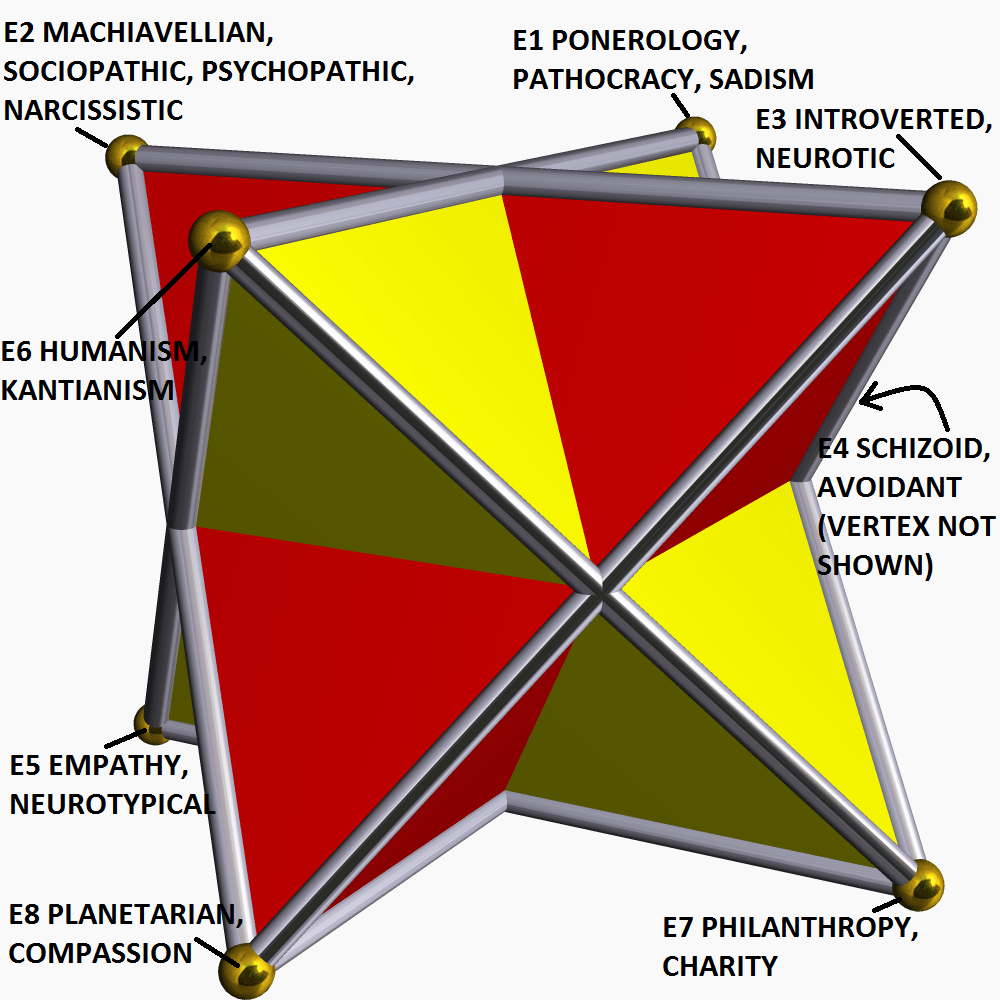
| E8 | For Everyone | Planetarian, Compassion | Planetarian: Defined as a noun to mean an inhabitant of a planet or as a member of staff of a planetarium. It is also informally known to describe a diet which seeks to limit environmental impact such as eating locally grown produce. But we seek here to extend the definition of the word planetarian to include an adjective form which can extend to all human actions where the primary consideration is that of the planet and its inhabitants. Thus we name the model we describe here as being planetarian as it is an effort to preserve humanity and earth. Examples may include a planetarian diet, lifestyle, economy, agriculture, technology, industry, resource use etc. Compassion: Concern for the sufferings or misfortunes of others |
| E7 | For Others | Philanthropy, Charity | Philanthropy: The desire to promote the welfare of others, particularly through generous donation. Charity: An organization or action which is the voluntary aid given to those in need and promote social well being. |
| E6 | Towards Everyone | Humanism, Kantianism | Humanism: A philosophical and ethical stance that emphasises the value and agency of human beings, individually and collectively. It favours critical thinking and evidence rather than dogma or superstition. Kantianism: A branch of philosophy developed by Immanuel Kant who believed that rational beings have dignity and should be respected. |
| E5 | Towards Others | Empathy, Neurotypical | Empathy: The ability to understand and share the feelings of others. Neurotypical: A person that is unaffected by a developmental or personality disorder. Generally considered to form the majority of the population that possess a healthy functioning and well formed brain and brain chemistry baseline profile. |
| E4 | Away from everyone | Schizoid, Avoidant | Schizoid: A personality disorder characterized by an indifference to social relationships which includes social and emotional detachments. Avoidant: A personality or behaviour which avoids intimacy or social interaction. |
| E3 | Away from others | Anxiety, Neurotic | Anxiety: Feelings of worry, nervousness or unease about something with an uncertain outcome. Neurotic: A person that is preoccupied with worried thoughts and may be more fearful in social settings. |
| E2 | Against others | Antisocial personality disorders (ASPD): Machiavellian, Psychopathic, Sociopathic, Narcissistic | ASPD: All show a lack of empathy, conscience, guilt and remorse. Machiavellian: Cynical detached worldview. Manipulativeness. Amorality. Callousness. Strategic and calculating behaviour. Psychopathic: Glibness. Callousness. Proneness to boredom. Egocentricity. Impulsivity. Irresponsibility. Shallow emotions. Pathological lying. Manipulativeness. Violation of social norms and expectations. Potentially aggressive and violent. Emotional hyporesponsivity. Sociopathic: Emotional Dysregulation. Extreme jealousy. Ideation around killing specific individuals. Instigation and engagement of bullying and “gangstalking” victims. Narcissistic: Grandiosity. Sense of entitlement. Exploitative interpersonal style. Self-promoting behaviour for ego reinforcement. |
| E1 | Against Everyone | Ponerology, Pathocracy, Sadism | Ponerology: The theory that large-scale evil is orchestrated by groups led by individuals with various psychological defects such as ASPD (Lobaczewski,2006). They are posited to form networks of mutual pathological conspiracies that act at every social scale which spares no nation. Pathocracy: This ponerology process is theorised to form a pathocracy of governance which is akin to a “double government” (Glennon,2014) or “deep state” commonly mentioned in relatively recent media (Goldsmith,2018). Its chief components are purported to form elements of government, top-level finance, industry, intelligence services, military, security, judiciary and organised crime (Jessop,2015; Marcus,1969; Baker,2017; Cangemi & Pfohl,2009). This psychopathic network actively works on common collusions partially estranged from normal society (Lobaczewski,2006). Sadism: Cruel and vicious behaviour. Humiliation and hurting others to assert dominance or for pleasure. |
Human beings and Personal actions
| Sphere 3 – F1a | Human beings and personal actions | Protected characteristics under human rights: Age, Disability, Gender, Marriage and civil partnership, Pregnancy and maternity, Race, Religion or belief, Sex, Sexual orientation. Civil Rights Personal: Psychology, Baseline brain chemistry profile, Perceptions and preferences, Reproduction, Sex, Diet, Lifestyle, Consumption, Mental wellness, Education, IQ, Life education, Self-expression, Personality, Self-esteem, Art, Transparency, Accountability, Responsibility, Long-term thinking, Purpose, Adventure, Victory, Glory, Self-love, Identity, Authenticity, Principles, Perseverance, Strength, Self-actualisation, Vitality, Ambition, Reliability, Credibility, Emotionality, Selflessness With others: Friendship, Community, Human connection, Love, Compassion, Fairness, Empathy, EQ, Forgiveness, Support, Consideration for others, Nurturing, Sympathy, Altruism, Trust, Cooperation The Dark Tetrad – Sociopathy, Psychopathy, Machiavellianism, Sadism, Narcissism Ponerology, Illness, Stress, Overconsumption, Waste, Addiction, Coercion, Intimidation, Denial, Lust, Gluttony, Greed, Sloth, Wrath, Pride, Prejudice, Selfishness, Neglect, Resistance, Inflicting Suffering, Radicalism, Extremism, Racism, Sex trafficking, Overpopulation |
The human experience and lifecycles
| Subunit G Node Designations | Descriptors |
| G8 | Life, Growth, Sustainability |
| G7 | Health |
| G6 | Freedom |
| G5 | Love |
| G4 | Disconnection |
| G3 | Fear |
| G2 | Illness |
| G1 | Death, Collapse, Unsustainability |
Rules for Civilization design and structure
| Subunit H | Variables |
| Sphere 4 | Rules for civilization design and structure: Sustainable population size for desired range of lifestyles and quality of life Reproduction Lifestyles Quality of life Land and freshwater available in a climate changed world with sea level rise, soil erosion, climatic variability The goldilocks zone – the safest regions of the world from climate change Level of sustainability required to adapt to and mitigate climate change Level of sustainability required to avoid social/environmental collapse and human extinction Amount of energy invested in science and technology research required to carry us through and escape increasingly constrained environmental conditions as climate change progresses eg fusion power, battery research, sustainability research Renewability – Biofuel, Biomass Energy usage and provision – Heating and cooling Transport – electric powered, freight trains, cargo ships, reduce commuting, local services Nutrition and diet – Planetarian, lower bacterial toxins Human settlements and shelter – heating and warmth, water available, materials available to build new housing (rainforest depletion), cement co2 Economy – post capitalism, eco capitalism, speculating on infinite growth model obsolete, Circular economy – mend, repair, recycle, sharing economy Animal agriculture – seaweed for beef, stop rainforest clearing Freshwater use – conservation, textiles industry, animal agriculture, Soils – Regenerative agriculture, permaculture, no tilling method, agroecology, organic, natural fertilisers Pollution – industrial toxins, mercury, lead, organic compounds, Planetary boundaries/commons – nitrates and phosphates fertiliser reduction, biosphere conservation, Minerals – protection and conservation of vital minerals and resources needed for future technologys Biosphere – restoration |
Core system components, Infrastructure and mental constructs of civilization
| Subunit I Nodes | Descriptors | Combination of subunit K nodes that form general components of Subunit I Node |
| I1 | Climate Change | Energy + Transport + Industry |
| I2 | Energy Usage and Provision | Energy + Industry + Residential/Commercial |
| I3 | Building and Utilities Use | Energy + Population + Residential/Commercial |
| I4 | Reproduction | Energy + Population + Waste |
| I5 | Resource Use and Consumption | Energy + Transport + Waste |
| I6 | Ecocurrency = True cost | Transport + Commons + Chemical Pollution |
| I7 | Circular Economy | Waste + Commons + Transport |
| I8 | Biodegradability and Landfills | Waste + Commons + Food |
| I8 | Freshwater Use | Waste + Population + Food |
| I10 | Inequality and Integration | Population + Food + Human Settlements/Buildings |
| I11 | Nation States | Population + Residential/Commercial + Human Settlements/Buildings |
| I12 | Global Governance | Biosphere + Residential/Commercial + Human Settlements/Buildings |
| I13 | Renewability and Sustainability | Industry + Biosphere + Residential/Commercial |
| I14 | Healthcare, Research and Medicine | Industry + Biosphere + Residential/Commercial |
| I15 | Work and Labour | Transport + Industry + Chemical Pollution |
| I16 | Agriculture (AFOLU) | Matter/Materials + Biosphere + Chemical Pollution |
| I17 | Land and Property Ownership | Matter/Materials + Biosphere + Human Settlements/Buildings |
| I18 | Nutrition and Diet | Matter/Materials + Food + Human Settlements/Buildings |
| I19 | Conservation | Matter/Materials + Commons + Food |
| I20 | Corporate Regulation | Matter/Materials + Commons + Chemical Pollution |
Information used to determine international agreements on action, resource use and allocation
| Subunit J | Variables |
| Sphere 5 | Information used to determine international agreements on action, resource use and allocation Wealth and power inequality Commons resources eg rainforests, rare earth minerals, waterways, arable land Population size and lifestyle Determining the wisest long term investment of energy and resources in creating new civilization and in which regions Nuclear threat – denuclearisation International tensions Territory ownership – Identity |
Human and environmental physical systems
| Subunit K Node Designations | Descriptors |
| K1 | Energy |
| K2 | Waste |
| K3 | Transport |
| K4 | Industry |
| K5 | Residential and Commercial |
| K6 | Population |
| K7 | Food |
| K8 | Matter and Materials |
| K9 | Commons |
| K10 | Toxic Pollutants |
| K11 | Biosphere and Carbon Sinks |
| K12 | Human settlements and buildings |
The human capacity to overcome challenges and innovate
| Subunit L | Variables |
| Sphere 6 | The Planetarian Hive Mind The vision, design, planning, foresight and bravery to reach an endpoint of a planetarian civilization which extends the longevity of the human species’ existence. Project management to conserve earth and humanity which uses a collective and individual psychological budget of willpower to save life on earth. Continental and global diplomatic cooperation to achieve the sustainable development goals. The vision, knowledge, understanding and engineering development to achieve fusion power. The vision, knowledge, understanding and technology required to achieve the means for humanity to colonise exoplanets. Thus extending species longevity almost indefinitely limited only by human DNA integrity and the availability of habitable or terraformable planets in the galaxy and universe. Shifting to an abundance mindset rather than one of scarcity when embarking on this planetary operation and to focus not on what we lose but what we can gain from change. |
Earth’s primary systems for human survival
| Subunit M Node Designations | Descriptors |
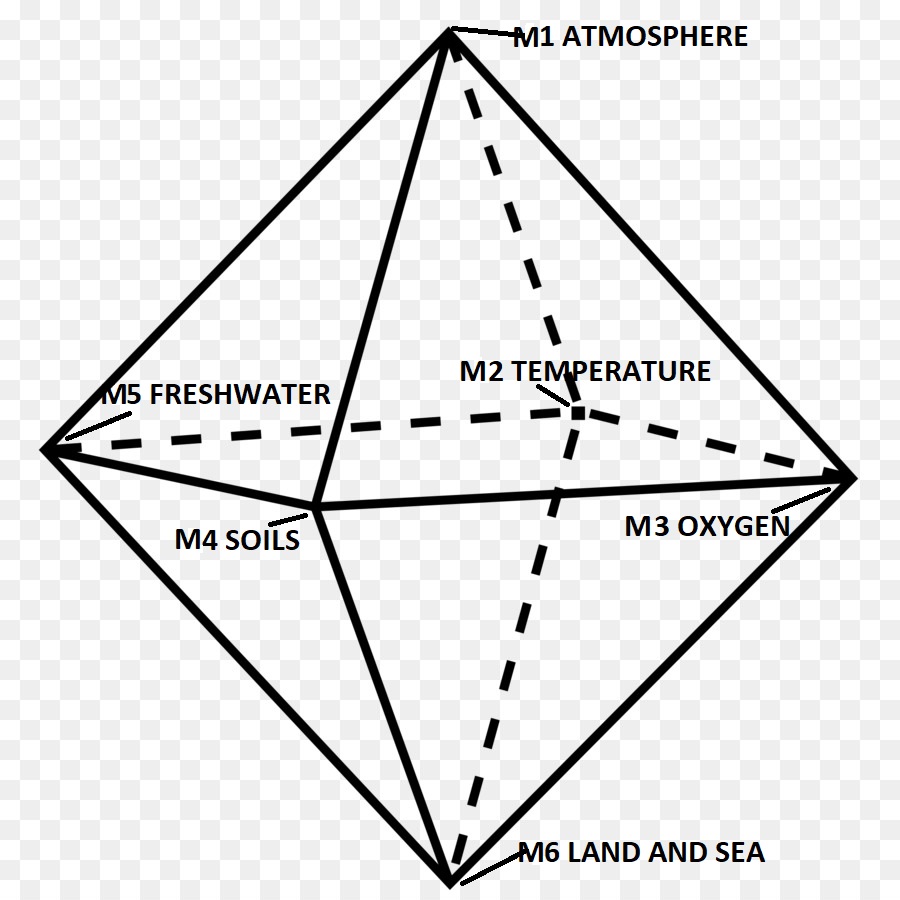
| M1 | Atmosphere |
| M2 | Temperature |
| M3 | Oxygen |
| M4 | Soil |
| M5 | Freshwater |
| M6 | Continents and Sea |


Sustainability of food production and consumption [Essay written July 2019]
Case study: Collapse – The great leap forward
Introduction:
The great leap forward (TGLF) was a large-scale example of multiple failures within a societal system, that inevitably contributed to a collapse of that system and resulted in the largest ever human death toll from famine and subsequent reorganization of that system. This can teach us many lessons about poor human-system structure design and sustainable food production, which we can apply to the current challenges of human-induced climate change and the threat of human extinction. The first section describes the many failings of TGLF policies, leadership and resulting consequences. The second section describes a proposed framework for human civilization which includes large sets of variables of beneficial and detrimental factors possible in the system. The variables and descriptors in the tables are split between suggested favorable (normal text) and unfavorable (underlined text) characteristics of human systems. Those which are in bold text are highlighted as factors, which if favorable, were not present or poorly represented in policies during TGLF; if unfavorable, they were present during TGLF or potential causes of this human tragedy.
Section 1 – The Great Leap Forward:
The great leap forward (TGLF) was a campaign in China led by the communist party chairman Mao Zedong from 1958, up to its abolishment in 1961. The aim was to transform China from an agrarian society to a highly industrialized nation by increasing rural grain output through collectivization to support industrial operations. Systemic failures in central planning, among other factors, contributed to the catastrophic consequences of the campaign policies.
In 1958 the government amalgamated smaller agricultural collectives, many which were formed over the previous decade, into larger cooperative communes of thousands of households in a process of collectivization. Expecting large gains in grain output, much rural labour was diverted to industrial programmes. These were likely the more productive of the agricultural workforce and left less productive members to produce grain. This saw neglect of chores and resulted in large portions of harvests being left to rot in the fields (li & Yang,2005). This had reduced grain production by 1959.
Grain procurement from the cooperatives was based on statistics provided by local officials but due to statistical gamesmanship, encouraged them to exaggerate and falsify crop yield figures. These figures were used to determine the quota of grain procured from cooperatives for the urban and industrial workforce populations. For example, a harvest was reported at 230,280 tons when its true amount was 88,392 tons which saw the quota procured at 75,500 tons (Becker, 1996). This left inadequate food supplies for the rural workers and malnutrition and starvation set in. This led to a limiting of physical capacity of the workers to carry out manual labour and further reduced grain output.
Meteorological data from the time shows that bad weather exacerbated these issues (Kueh, 1995). These factors together caused widespread famine in the rural regions by 1960 and premature deaths during TGLF campaign due to starvation are estimated at between 16.5 and 30 million (Coale,1981; Barister,1987). The government operated under a closed economy and did not request or accept international aid.
An analysis by (Li & Yang,2005) estimated that diversion of resources from agriculture is responsible for 33% of the collapse of grain output between 1958 and 1961; excessive procurement of grain 28.3% responsible and adverse weather conditions responsible for 12.9% of the collapse. This makes the catastrophe of TGLF famine unique as it was mainly due to a failure of central planning.
Many human rights abuses were documented in accounts from the time, the first of which included the deprivation of the right of commune members to exit them (Lin, 1990). People were beaten and violently forced to work, even in a malnourished and sick state (Dikotter,2010). Around 6-8% of deaths during TGLF are attributed to those tortured to death and murdered (Becker, 2010).
Sustainable food production:
A sustainable food system has many definitions from many sources, but it is generally built on the principles that support the ecological, social and economic values of a community region. These systems are described as being secure, efficient, healthy, safe, environmentally friendly, conservation oriented, organic and they preserve biodiversity and recycle waste (Potukuchi & Kaufman,1999).
Collectivization in principle could be a self-sufficient and sustainable food production method if planned and managed carefully but there are many factors of human nature that are difficult to plan for. Another example of the failure of collectivization was the soviet union’s attempt in 1928 to 1940 which also resulted in great famine (Mccauley,2013). This does suggest that it is a risky food production model and if it were to be used in the future to create a more sustainable in civilization, it would require great thought and planning.
Successful, smaller scale models of self-sufficient, sustainable food production and farming have been proven to work well across the globe. These include the Amish and Mennonites, the Israeli Kibbutz, traditional rural communities, intentional communities, civic agriculture, homesteading and tropical fruit orchard ownership. Some details of these styles of self-sufficient and in some cases off-grid living are given in table 1.
Table 1: Examples of food self-sufficient lifestyles from around the world
| Amish and mennonite: These religious people shun most electrically powered devices and other modern conveniences and pride themselves on working hard. Items generally disallowed from use include cars, tractors, propane gas, refrigerators and inside flush toilets. Many do allow the use of motorized washing machines though. Some mennonite orders allow the use of cars, electricity, phones and computers. They farm their own foods and can and pickle produce as a way of preserving the harvest. |
| Kibbutz: A kibbutz is generally based on a collective community ideal which focuses mainly on agriculture. A hard work ethic in cultivating the land is the main feature which also makes them food self-sufficient. They most often subscribe to an ideology of equality which was originally in the form of socialism. |
| Traditional rural communities: Many rural communities around the world still operate without a connection to the electrical grid and some that have electricity still use the traditional tools and methods of food production, cooking and storing. Using firewood to cook on stoves, in ovens or over open fires is essential to their lifestyle. Home preservation with oils, alcohols and fermentation is used to extend the lifetime of the harvest. |
| Intentional community: Typical values of such groups include self-sufficiency, simplicity and minimalism, sustainability and communal living. |
| Civic agriculture: Agriculture is viewed as the responsibility of an entire community and it connects the farmer to the community through a social connection. The sustainability of this type of rural agriculture is a central value which aims to create a self-sustainable local economy. |
| Homesteading: The lifestyle is one of subsistence farming and self-sufficiency but is different from communal types of living as it is more of an individual or family approach. It involves home preservation of foods such as canning, pickling, drying and traditional forms of storing produce. Modern homesteading often uses renewable technology to power their homes with solar and wind power. |
| Tropical fruit orchard ownership: Tropical fruit orchards provide an ideal form of subsistence farming as fresh, high nutrient fruits are optimal for our health. It is possible to thrive on a largely raw, plant-based diet with a high fruit sugar content. Limited by their geographical location requiring at least sub-tropical warmth and fertile soils to grow in, they are only viable closer to equatorial regions. |
Section 2 -The System of Civilization and Understanding Collapse:
To prevent collapse of a system it is helpful to first understand how the system works. The scientific method requires that a list of all essential variables is made and global systems science views these interacting variables as part of systems.
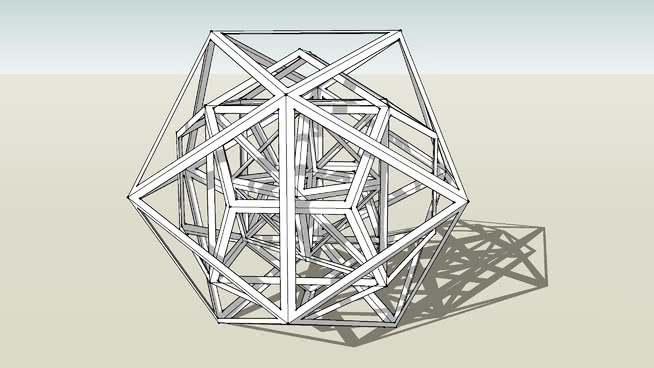
Here we introduce a way of arranging the main variables to describe this system using a set of geometric polyhedra known as the nested platonic solids (image 1). This allows us to display not only the connections found in the system but also the symmetries of the system, which is not an unexpected finding since symmetries are replete in physics of the universe and nature.
It is suggested in (Partidarlo,2011), as part of a resilience strategy, that a socioecological system thinking is needed to understand cross-scale interactions, interdependencies and dynamics of civilization. It seems prudent to establish a sustainable model for civilization which takes into account a reasonably large set of variables that would be comprehensive enough to address the most urgent problems within our systems. A draft outline of this effort is described, which we title the Planetarian Framework of Modern Civilization, in the hope that it may prove useful for other researchers working on this problem and to better understand and prevent the collapse of systems.
The Planetarian Framework of Modern Civilization:
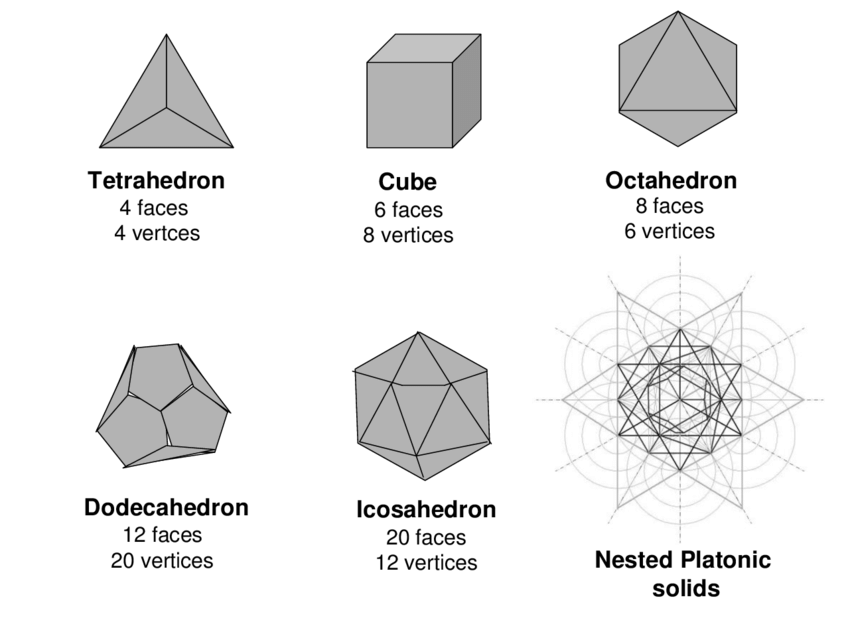
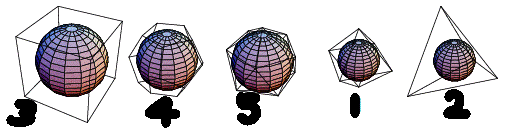
This framework is a matrix consisting of the five nested platonic solids and their inspheres, plus a central origin. An example of the nested platonic solids is shown in image 1. The individual solids are shown in image 2 and their inspheres shown in image 3. These are used to describe the system of modern civilization with each 3D geometric shape corresponding to a collection of features of the system which share commonalities. The entire system is split into three units forming the baseline rules, the system input and the system output. Each geometric shape forms a subunit of the system with each vertex representing a node which describes a specific factor of the system.
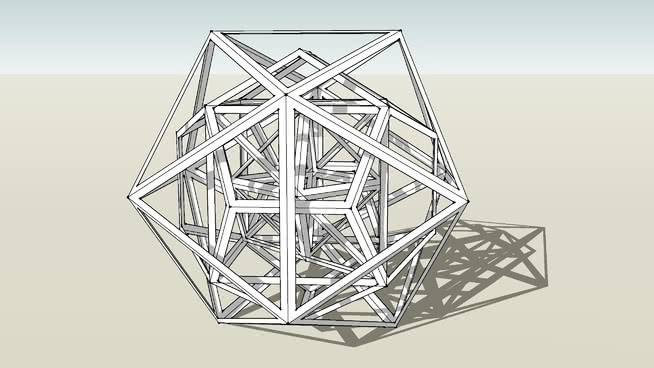
Image 1: A 3-dimensional depiction of the nested Platonic solids (Jbacus,2014)
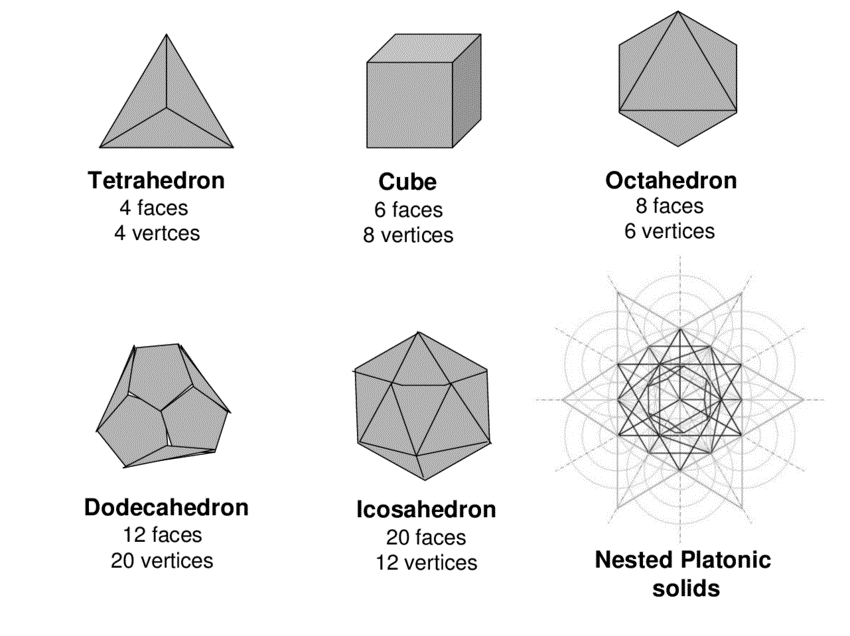
Image 2: The platonic solids and their face and vertex numbers (Drummyfish,2019)
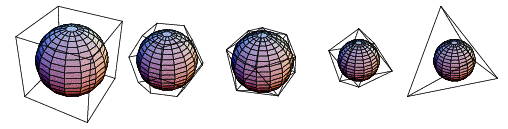
Image 3: The platonic solids and their inspheres. From left to right subunits G and F (sphere 3), I and H (sphere 4), K and J (sphere 5), C and B (sphere 1) and one tetrahedron of subunit E with subunit D (sphere 2). (Weisstein,2004)
We theorize that each of the subunits might require a complete unified-theory for each of the fields, to fully understand how to construct a long-term stable civilization. The scientific method requires us to determine each field’s fundamental first principles to understand the subject including its symmetries and interconnections. The inspheres pertain more to philosophies, thoughts, emotions, decisions, knowledge, rules and agreements whereas the platonic solids deal more with actions, interactions and systems.
Each of these subunits which form the main units of the system are listed in table 2 with the alphabetic designations for the units shown.
TABLE 2: The units, subunits and adjuncts of the Planetarian framework
| Unit | Subunit designation | Geometric representation | Subunit of framework described | System Units and Adjuncts description |
| Primary | 01 | Centroid | The laws of Physics | System Rules |
| Primary | 00 | Sphere 0 | The meaning of life | System Rules |
| Primary | A | Icosahedron 1 | The rules of power | System Rules |
| Primary | B | Sphere 1 | Human philosophy | System Rules |
| Primary | C | Octahedron | Fundamental Human and Natural systems | System Rules |
| Secondary | D | Sphere 2 | Human rights and Human nature | System Input – Self interaction – adjunct 1a |
| Secondary | E | Stellated Octahedron (merkaba) | The human condition – Interrelational tendencies | System Input – Self interaction – adjunct 1b |
| Secondary | F | Sphere 3 | Human beings and Personal actions | System Input – Individual humans – adjunct 2a |
| Secondary | G | Cube | The human experience and lifecycles | System Input – Individual humans – adjunct 2b |
| Tertiary | H | Sphere 4 | Rules for Civilization design and structure | System Output |
| Tertiary | I | Dodecahedron | Core system components of civilization | System Output |
| Tertiary | J | Sphere 5 | Information used to determine international agreements on action, resource use and allocation | System Output |
| Tertiary | K | Icosahedron 2 | Human systems and the environment | System Output |
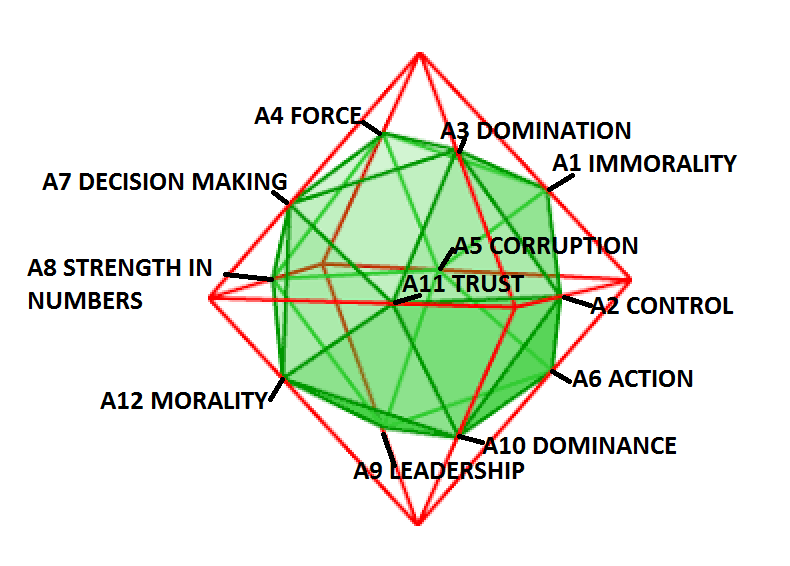
We consider the centroid of the framework to represent the laws of physics as rules upon which the universe operates and allows life and nature to exist. An icosahedron inscribed in an octahedron as shown in image 4 is used to represent the rules of power. The icosahedron san be split into two halves of 6 vertices each which form a pentagonal arrangement of triangles. Each vertex of these halves can be paired with a vertex on the opposite half which are described in table 2.
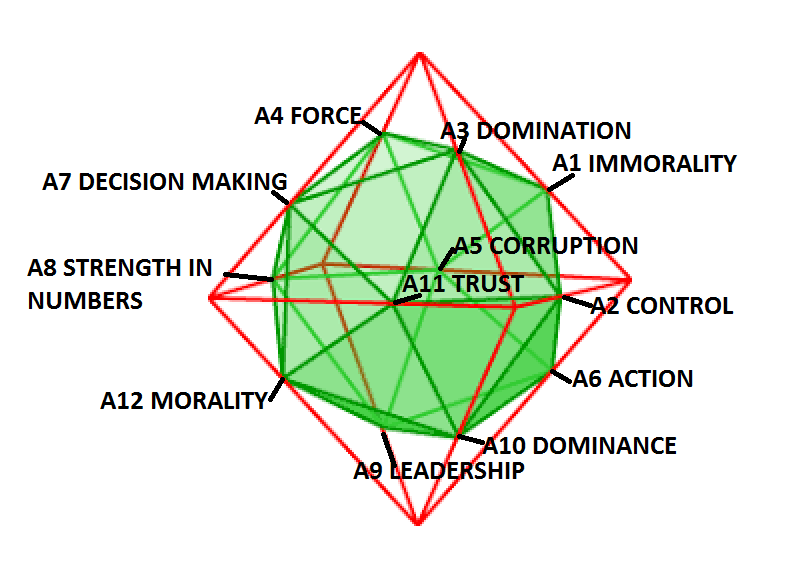
Image 4: A nested icosahedron inside an octahedron showing the nodes of subunit A representing power dualities (Adapted from Scott,2007)
Table 3: The dual pairs of nodes of subunit A, the icosahedron, which represents the rules of power
| Pairs of Variables of the Rules of Power | |
| A12 Morality: Needs of the many, Selflessness, Survival, Security, Safety, Compassion, Honour | A1 Immorality: Self interest, Desire, Greed, Ego, Common interest, Agenda, Fear, Hatred |
| A8 Strength in Numbers: Alliances, Resources, Provision, Access | A2 Control: Acquisition, Stealing, Lobbying, Manipulation |
| A9 Leadership: Authority, Credibility, Reputation, Experience | A3 Domination: Tyranny, Ownership, Oppression, Dictatorship, Slavery, Subjugation |
| A10 Dominance: Natural order, Strength, Skill, Tactics, Instinct | A4 Force: Weapons, Threats, Blackmail, Intimidation, Coercion, Bribery |
| A11 Trust: Information, Intelligence, Diplomacy, Cooperation, Persuasion, Truth, Knowledge | A5 Corruption: Anonymity, Secrecy, Lies, Exclusivity, Organised crime |
| A7 Decision Making: Planning, Timing, Foresight | A6 Action: Bravery, Risk, Boldness, Confidence |
Sphere 0 sits inside this first icosahedron and includes the very meaning of life and the directive individual humans seek out and apply in their actions throughout life. Sphere 1 (image 3) sits inside the octahedron in this framework and includes the philosophical considerations of humanity, life and existence as listed in table 2.
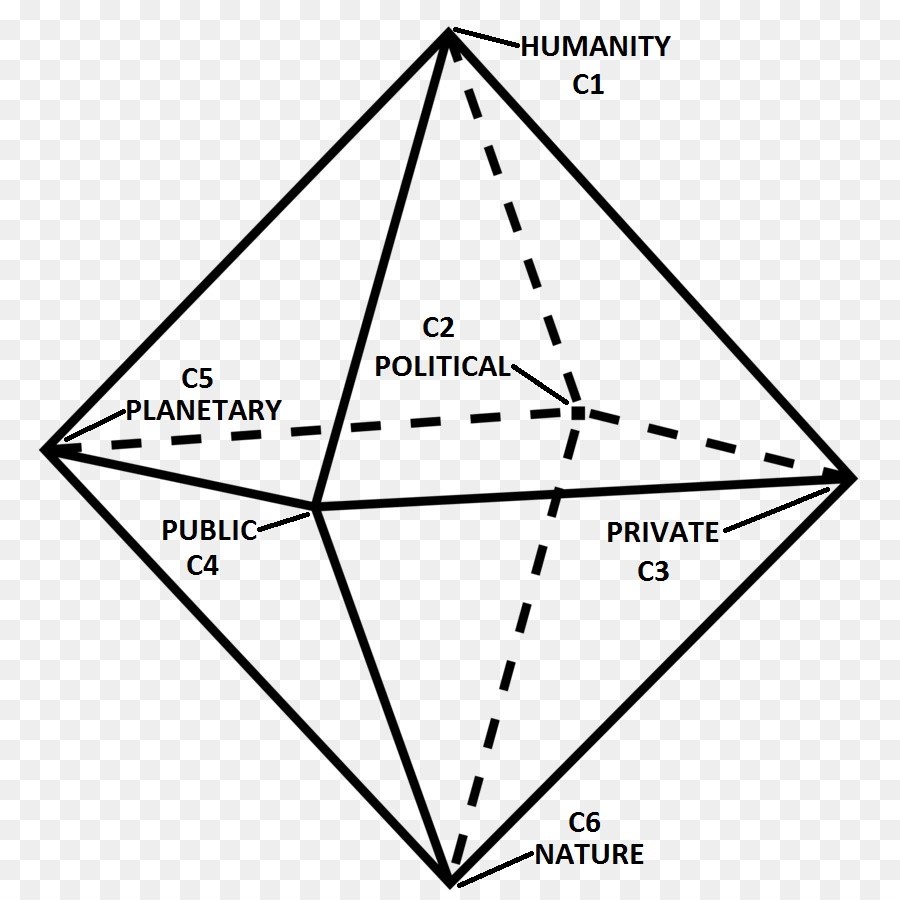
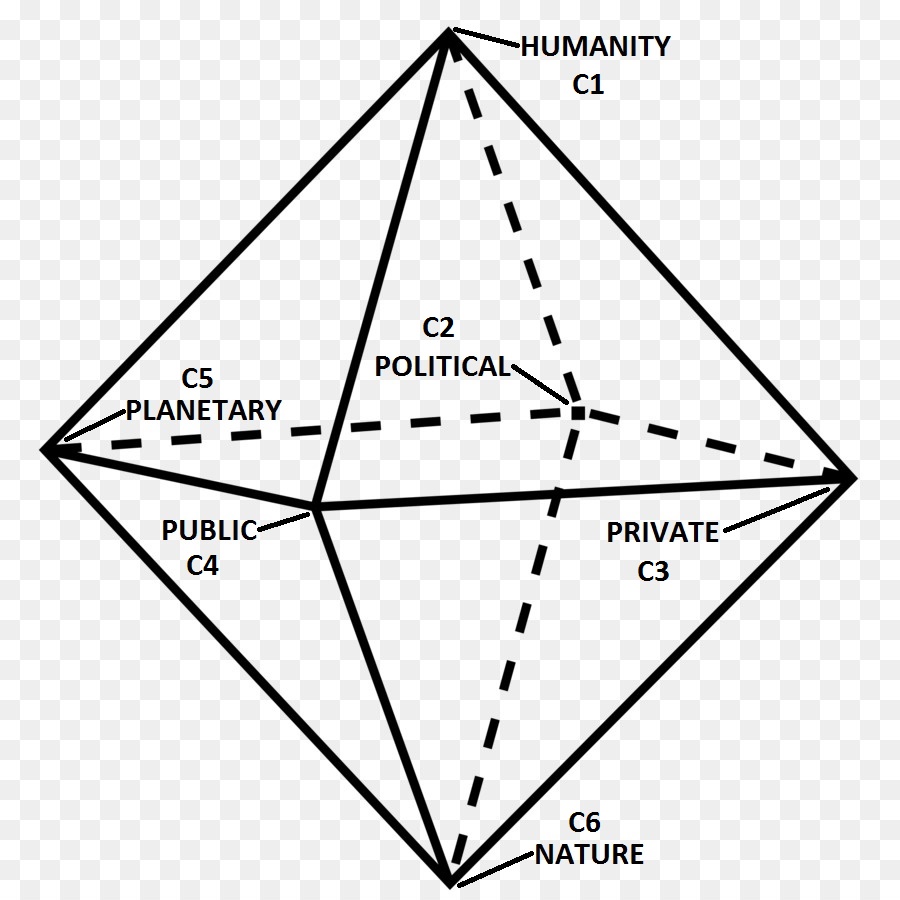
Image 5: Subunit C of the Planetarian framework modelled on an octahedron with vertices representing nodes of the system. This shows the fundamental human and natural systems (adapted from Aelshwa,2019)
We use the vertices of the octahedron to describe the fundamental components of human civilization and nature. The nodes of the octahedron are shown in image 5. The alphanumeric designations and some of the features of this primary unit are given in table 4.
TABLE 4: The designations and descriptions of the subunits of the primary unit of the system excluding the central origin (the laws of physics)
| Node designations | Systems, Actions and/or Interests | Factors and variables |
| 00 | Meanings to life | Purpose and life mission – Procreation, discovery, progress, goals Meaning – truth and knowledge understanding and discovery Joy, Happiness, Pleasure Love Victory, Glory Adventure Power (for good or bad) Brain chemicals – All the aforementioned are essentially governed by release of brain chemicals dopamine, serotonin, oxytocin etc. |
| B | Philosophical | Religion, Faith and spirituality, Consciousness, Sentience, Respect for life and earth, Knowledge and understanding, Ethics and values, Morality, Equality, Diversity, Tolerance, Gender roles, Truth, Inclusivity, Humanitarianism, Meaning of life, The limiting of suffering, Logocracy, Meritocracy, Technocracy, Noocracy Nihilism, Immorality, Apathy, Evil |
| C1 | Humanity | Evolution, Evolution of the brain, Human history, Population, Tribalism, Kinmanship, Territory, Villages, Towns, Cities, States, Countries, Continents, Country alliances, Authority, Power, Organisation, Order, Language, Nationality, Revolution Crimes against humanity, Fascism, Autocracy, Terrorism, Genocide, War, Despotism, Tyranny, Authoritarianism, Ultranationalism, Dictatorship, Totalitarian, Corruption, Mafia, Organised crime, Imperialism, Oligarchy, Dystopia, Stealing from the planet and people present and future |
| C2 | Political | Governance, Military, Intelligence agencies, International relations, Immigration, International travel, Democracy, National stability, Food security, Social provision, Diplomacy, Infrastructure, Public investment, Taxation, Cybersecurity, Food and goods distribution, Greenhouse gas emissions oversight Military-Industrial complex, Threat of nuclear war, Pathocracy, Conflict, Confrontation, National instability, Food insecurity, Social deprivation, Poverty, International tensions, Propaganda |
| C3 | Private | Consumerism, Business, Economy, Financial services, Goods and services, Capital, Labour, Industry, Trade and exchange, Transactions, Stock market, Investment, Retail, Travel and tourism, Technology and research, Property and land ownership, Wealth, Money, Pleasure, Entertainment, The news and media, Advertisement, Construction, Clothing and textiles Overproduction, Non-recyclable goods and materials, Profit before planet, Indefinite growth model, Unregulated Capitalism, Slave labour, Renting model, Wealth inequality, Exploitation of people, nations and planetary resources, Tax avoidance, Biased news, Media misinformation, Monopolies, Lobbyist groups, Greenhouse gas emissions, ‘Big Pharma’, Neglecting that prevention is better than cure in healthcare, ‘Big Food’, Fossil fuel industry |
| C4 | Public | Education, Institutions, Employment, Housing, Transport, Water, Sanitation, Recycling and waste, Agriculture, Pensions and welfare, Law and justice, Security, Healthcare, Medicine, Administration, The commons, Leisure, Energy, Scientific research, Culture, Citizen support, Demographics, Socio economics, Communication, The internet, Civil rights Poor work-life balance, Poor life education, Inadequate housing and services, Intensive agriculture, Animal agriculture, Perversion of justice, Poisons in food and water, Industry regulation, Injustice |
| C5 | Planetary | Sustainability, Natural resources, Biosphere, Atmosphere, Cryosphere, Hydrosphere, Geosphere, Oceans, Globalism, Global governance, Civilization, Abundance, Conservation, Regeneration Deforestation, Biosphere destruction on land and in oceans, Human induced climate change, Environmental and economic collapse, Human and other life extinction, Pollution |
| C6 | Nature | Plants, Animals, Forests, Marine life, Food chains, Food webs, Predators, Prey, Natural habitats Species extinction, Poaching, Overfishing, Destruction of habitats and ecosystems |
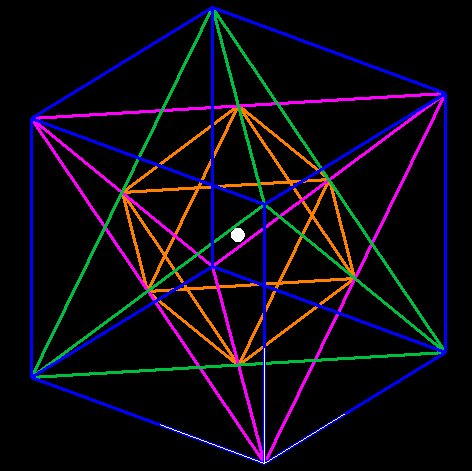
The secondary unit describes the input of the system and is comprised of two sets of two adjunct units which as pairs describe the input itself (human beings) and how this system input interacts with itself (human interactions). This is represented by a stellated octahedron (commonly referred to as a merkaba) formed from two tetrahedrons and together are nested inside of a cube plus two inspheres, one for each polyhedron. This structure, excluding the inspheres, is shown in image 6 which also shows the octahedron from the primary unit.
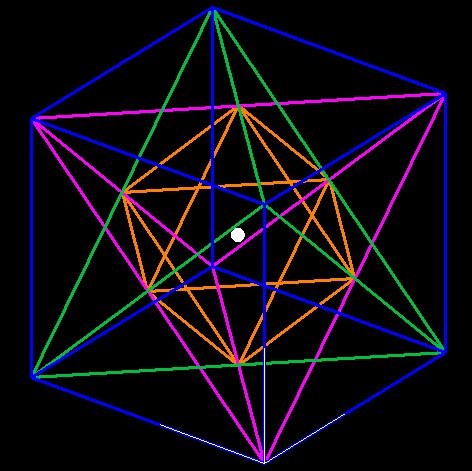
Image 6: The nested platonic solids of the octagon, stellated octahedron (merkaba) and a cube. The cube is blue with two interlocking tetrahedrons, one in purple and the other in green. The intersection of the two tetrahedrons forms an octahedron, in orange. (kjmaclean,2013)
Sphere 2 is the inscribed sphere of the merkaba and describes the set of variables of human nature including human rights and personal characteristics which are listed in table 5.
TABLE 5: The factors and variables of subunits D and F (sphere 2 and 3 respectively)
| Subunit adjunct designation | Subunit Title | Factors and Variables |
| Sphere 2 – D1a | Human rights and human nature | Human rights: Marriage and family, Right to own things, Freedom of thought, Freedom of expression, Public assembly, Choice to join a group cannot be forced upon people, Democracy, Social security, Workers rights, Right to play, Food and shelter for all, Education, Copyright, Fair and free world, Responsibility, No one can take away your human rights. Human nature: Sapience – Intelligence, Creativity, Wisdom, Automatic thinking. Competition, Impulse control, Logic, Reason, Imagination, Problem solving, Rationality, Emotions, Patience, Dignity, Grace, Courage, Passion, Integrity, Humility, Diligence, Temperance, Objectivity, Impartiality, Prudence, Optimism, Pragmatism, Flexibility, Resilience, Adaptability, Empowerment, Vision, Joy, Happiness, Bullying, Gangstalking, Harassment, Hacking, Cybercrime, Crime, Pathological competition, Irrationality, Nepotism, Cronyism, Acquisition and Control, Hatred, Jealousy, Intolerance, Ego, Ignorance, Fear, Oppression, Abuse of power, Control, Lack of respect, Racism, Persecution, Lies, Evil, Cowardice, Subjugation, Elitism, Privilege |
| Sphere 3 – F1a | Human beings and personal actions | Protected characteristics under human rights: Age, Disability, Gender, Marriage and civil partnership, Pregnancy and maternity, Race, Religion or belief, Sex, Sexual orientation. Personal: Psychology, Baseline brain chemistry profile, Perceptions and preferences, Reproduction, Sex, Diet, Lifestyle, Consumption, Mental wellness, Education, IQ, Life education, Self-expression, Personality, Self-esteem, Art, Transparency, Accountability, Responsibility, Long-term thinking, Purpose, Adventure, Victory, Glory, Self-love, Identity, Authenticity, Principles, Perseverance, Strength, Self-actualisation, Vitality, Ambition, Reliability, Credibility, Emotionality, Selflessness With others: Friendship, Community, Human connection, Love, Compassion, Fairness, Empathy, EQ, Forgiveness, Support, Consideration for others, Nurturing, Sympathy, Altruism, Trust, Cooperation The Dark Tetrad – Sociopathy, Psychopathy, Machiavellianism, Sadism, Narcissism Ponerology, Illness, Stress, Overconsumption, Waste, Addiction, Coercion, Intimidation, Denial, Lust, Gluttony, Greed, Sloth, Wrath, Pride, Prejudice, Selfishness, Neglect, Resistance, Inflicting Suffering, Radicalism, Extremism, Racism, Sex trafficking, Overpopulation |
The merkaba is used to describe the human condition, more specifically the major interrelational tendencies between people and groups of people which demonstrate diametrically opposed world views. This forms a basis for a unified theory of psychology which was inspired as a 3D adaptation of the personality disorder star (Henriques,2018) which describes actions of individuals to be of moving towards, away or against others. We have added a fourth action of acting for others. The nodes of the merkaba subunit (subunit E or adjunct 1b) are shown in image 7 and their designations and descriptions described in table 6.
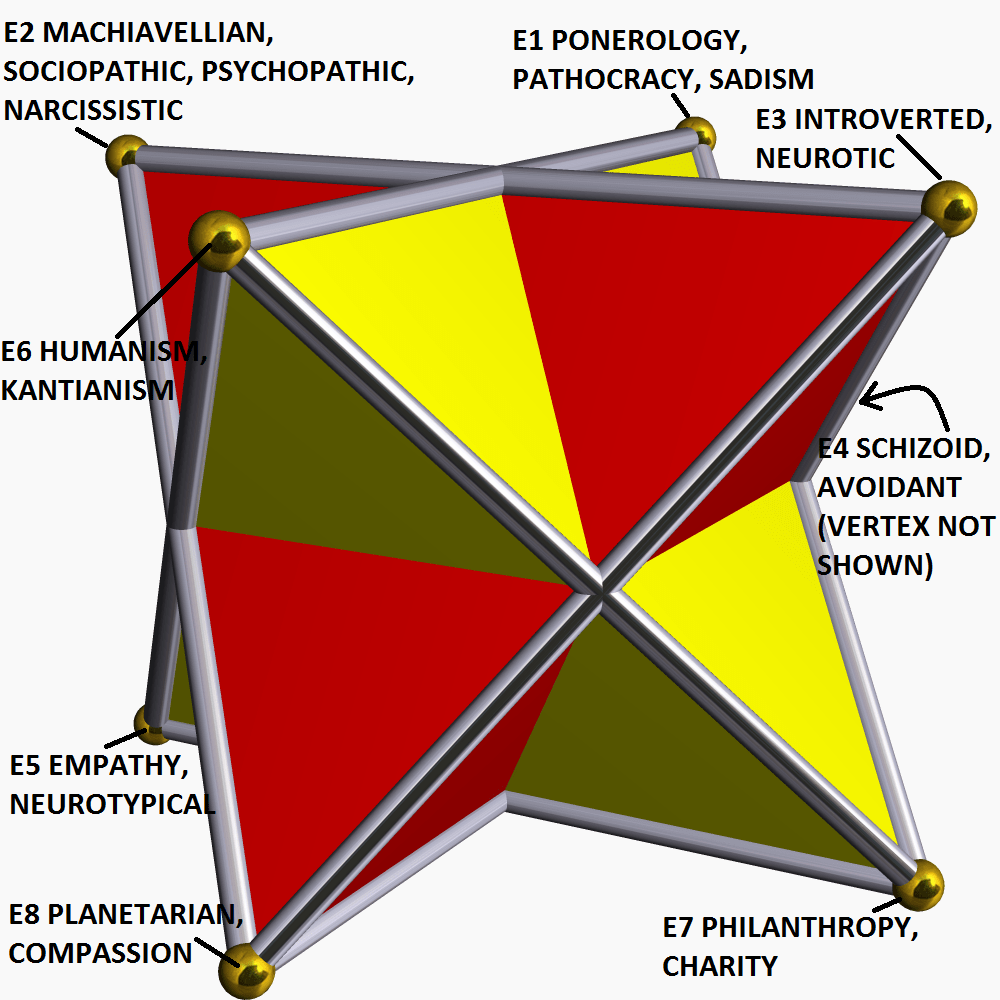
Image 7: The node designations and descriptors of subunit E (the merkaba), adjunct 1b, of the Planetarian framework. It describes the interrelational tendencies of humans and facets of the human condition (adapted from Tomruen,2006)
TABLE 6: Node designations, descriptors and descriptions of subunit E (the merkaba), adjunct 1b.
| Subunit node designation | Action direction | Node Descriptors | Description |
| E8 | For Everyone | Planetarian, Compassion | Planetarian: Defined as a noun to mean an inhabitant of a planet or as a member of staff of a planetarium. It is also informally known to describe a diet which seeks to limit environmental impact such as eating locally grown produce. But we seek here to extend the definition of the word planetarian to include an adjective form which can extend to all human actions where the primary consideration is that of the planet and its inhabitants. Thus we name the model we describe here as being planetarian as it is an effort to preserve humanity and earth. Examples may include a planetarian diet, lifestyle, economy, agriculture, technology, industry, resource use etc. Compassion: Concern for the sufferings or misfortunes of others |
| E7 | For Others | Philanthropy, Charity | Philanthropy: The desire to promote the welfare of others, particularly through generous donation. Charity: An organization or action which is the voluntary aid given to those in need and promote social well being. |
| E6 | Towards Everyone | Humanism, Kantianism | Humanism: A philosophical and ethical stance that emphasises the value and agency of human beings, individually and collectively. It favours critical thinking and evidence rather than dogma or superstition. Kantianism: A branch of philosophy developed by Immanuel Kant who believed that rational beings have dignity and should be respected. |
| E5 | Towards Others | Empathy, Neurotypical | Empathy: The ability to understand and share the feelings of others. Neurotypical: A person that is unaffected by a developmental or personality disorder. Generally considered to form the majority of the population that possess a healthy functioning and well formed brain and brain chemistry baseline profile. |
| E4 | Away from everyone | Schizoid, Avoidant | Schizoid: A personality disorder characterized by an indifference to social relationships which includes social and emotional detachments. Avoidant: A personality or behaviour which avoids intimacy or social interaction. |
| E3 | Away from others | Anxiety, Neurotic | Anxiety: Feelings of worry, nervousness or unease about something with an uncertain outcome. Neurotic: A person that is preoccupied with worried thoughts and may be more fearful in social settings. |
| E2 | Against others | Antisocial personality disorders(ASPD): Machiavellian, Psychopathic, Sociopathic, Narcissistic | ASPD: All show a lack of empathy, conscience, guilt and remorse. Machiavellian: Cynical detached worldview. Manipulativeness. Amorality. Callousness. Strategic and calculating behaviour. Psychopathic: Glibness. Callousness. Proneness to boredom. Egocentricity. Impulsivity. Irresponsibility. Shallow emotions. Pathological lying. Manipulativeness. Violation of social norms and expectations. Potentially aggressive and violent. Emotional hyporesponsivity. Sociopathic: Emotional Dysregulation. Extreme jealousy. Ideation around killing specific individuals. Instigation and engagement of bullying and “gangstalking” victims. Narcissistic: Grandiosity. Sense of entitlement. Exploitative interpersonal style. Self-promoting behaviour for ego reinforcement. |
| E1 | Against Everyone | Ponerology, Pathocracy, Sadism | Ponerology: The theory that large-scale evil is orchestrated by groups led by individuals with various psychological defects such as ASPD (Lobaczewski,2006). They are posited to form networks of mutual pathological conspiracies that act at every social scale which spares no nation. Pathocracy: This ponerology process is theorised to form a pathocracy of governance which is akin to a “double government” (Glennon,2014) or “deep state” commonly mentioned in relatively recent media (Goldsmith,2018). Its chief components are purported to form elements of government, top-level finance, industry, intelligence services, military, security, judiciary and organised crime (Jessop,2015; Marcus,1969; Baker,2017; Cangemi & Pfohl,2009). This psychopathic network actively works on common collusions partially estranged from normal society (Lobaczewski,2006). Sadism: Cruel and vicious behaviour. Humiliation and hurting others to assert dominance or for pleasure. |
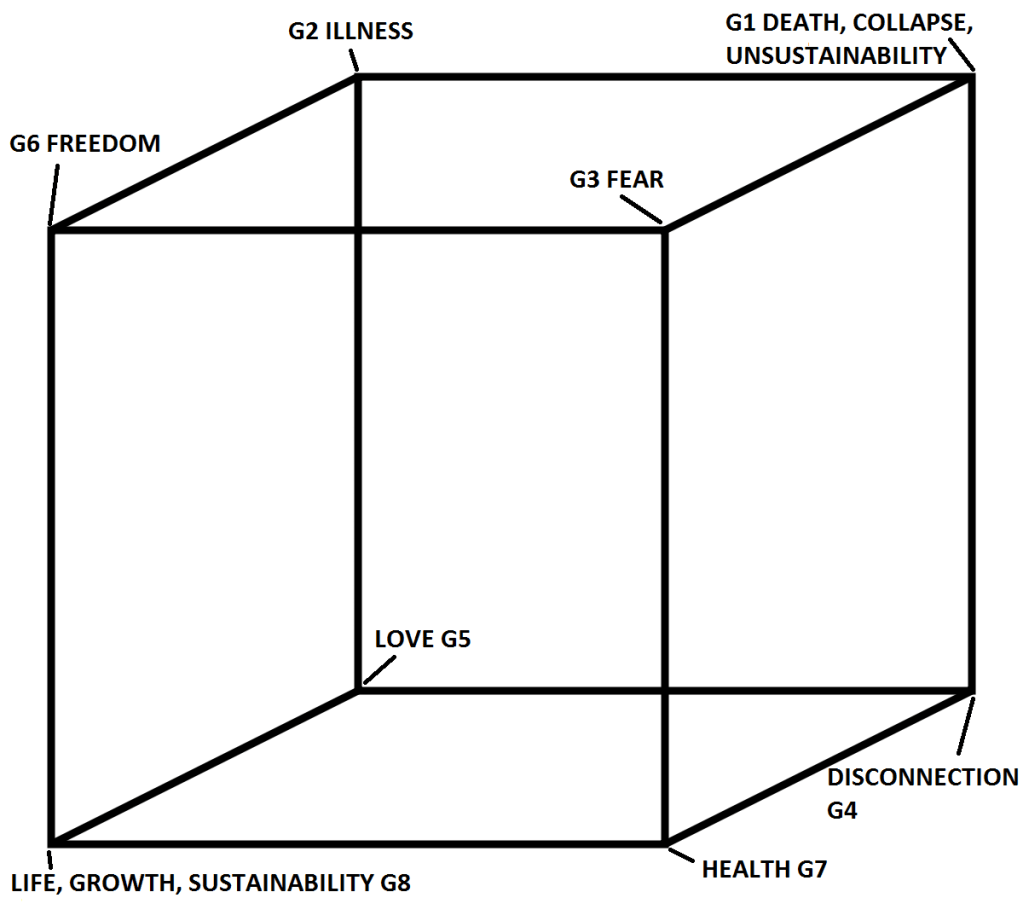
Sphere 3 is the inscribed sphere of the cube (subunit F, adjunct 2a) and describes the set of variables of human beings themselves and includes personal thoughts, emotions and actions which are listed in table 3. The cube (subunit G, adjunct 2b) represents the human experience and lifecycle which also has parallels of the cycles of other systems. The nodes of this subunit are shown in image 8 (cube) and again shows the dualities and symmetries which align with those of the other nested shapes. Description and alphanumeric designations of these nodes are given in table 7.
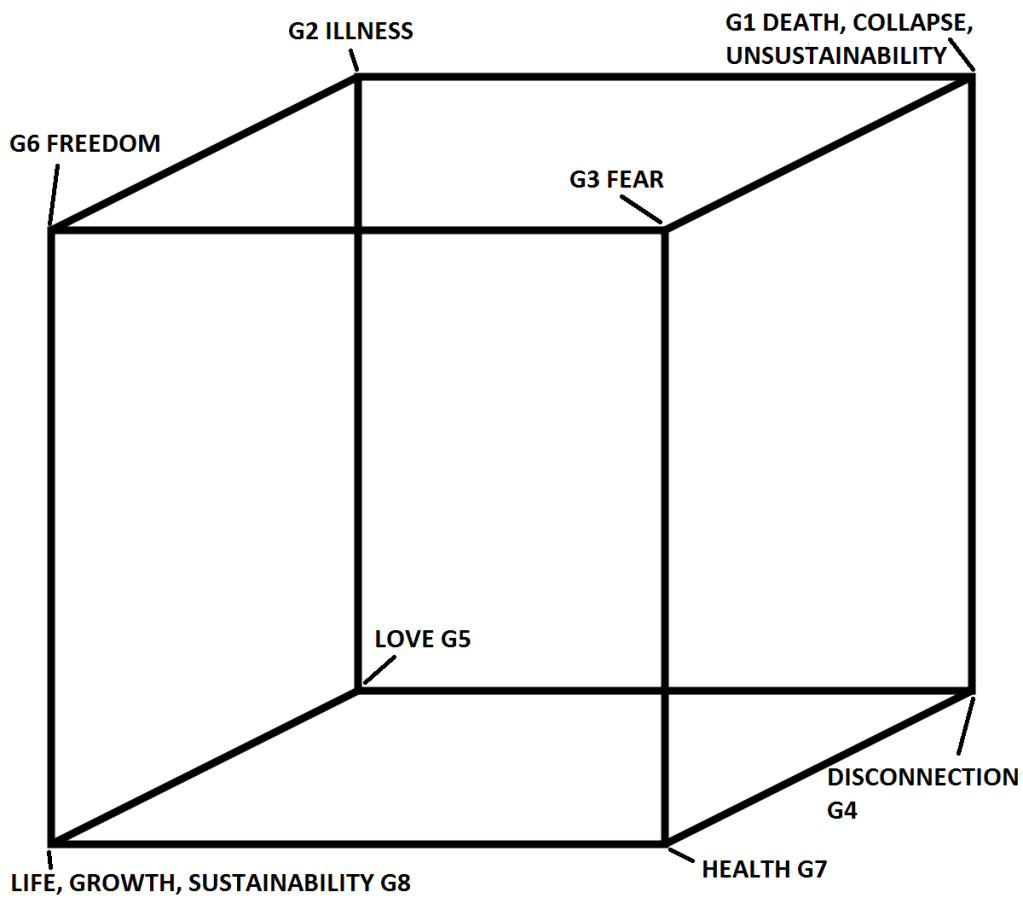
Image 8: The node designations and descriptors or subunit G of the Planetarian framework represented by the cube (adapted from Benfrantzdale,2007)
TABLE 7: : The node designations and descriptors or subunit G, adjunct 2b
| Subunit designation | Node Descriptors |
| G8 | Life, Growth, Sustainability |
| G7 | Health |
| G6 | Freedom |
| G5 | Love |
| G4 | Disconnection |
| G3 | Fear |
| G2 | Illness |
| G1 | Death, Collapse, Unsustainability |
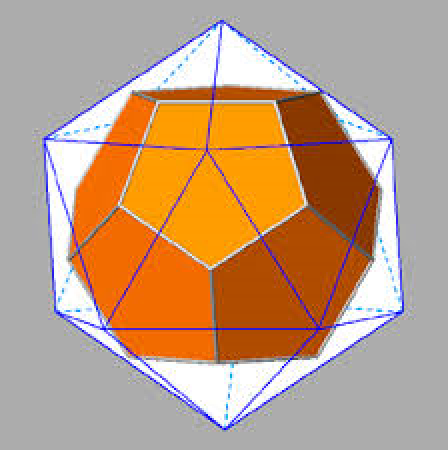
The tertiary unit of the system comprises a nested dodecahedron inside an icosahedron each with an insphere. The cube shares nodes with the dodecahedron as shown in image 9 and the dodecahedron is nested in the icosahedron as shown in image 10.

Image 9: A cube nested inside of a dodecahedron (kjmaclean,2013)
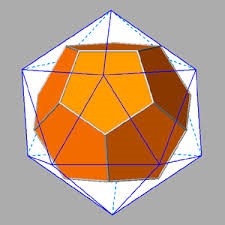
Image 10: A dodecahedron nested inside of an icosahedron representing the tertiary unit of the Planetarian framework (Zefiro,2008)
Sphere 4 describes the knowledge about the rules for creating the design and structure for a sustainable civilization. The dodecahedron describes the core system components of civilization and the icosahedron describes the large-scale systems of humanity and the environment. Since the dodechedron is a dual of the icosahedron, because they have the opposite number of vertices and faces, the pentagonal faces of the dodecahedron can be used to represent the vertices of the icosahedron which sit above the dodecahedron face centres. The same is true of the faces of the icosahedron which can be used to represent where the faces of the dodecahedron intersect at a vertex. The nodes of the corresponding dual are shown in images 11 and 12 with the alphanumeric designations for the dodecahedron and icosahedron nodes listed in tables 8 and 9, respectively.
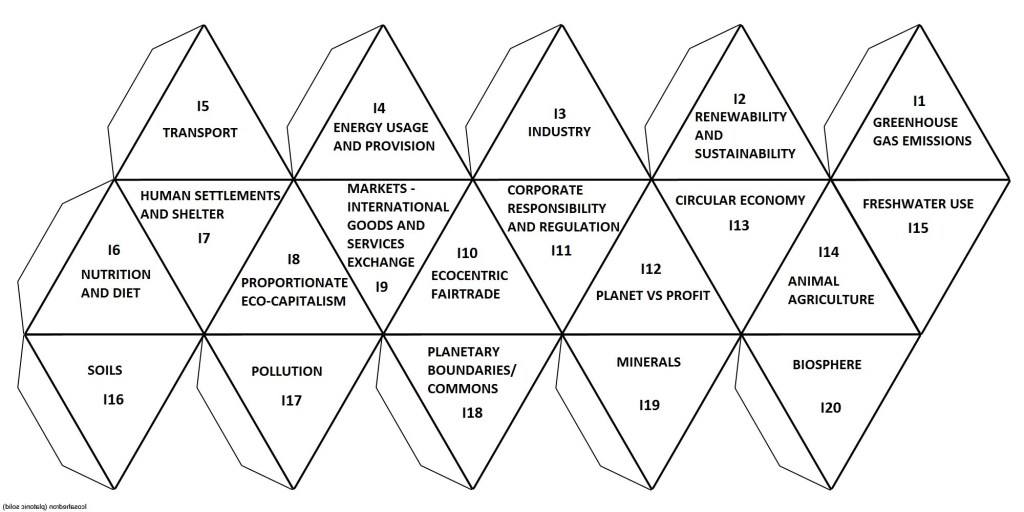
Image 11: The node designations and descriptors of subunit I which is represented by the dodecahedron but the faces of an icosahedron net are used here to represent the vertices of the dodecahedron. This subunit describes core system components of civilization (adapted from Pixelmaniac,2014)
TABLE 8: The node designations and descriptors of subunit I (dodecahedron)
| Subunit Node Designations | Descriptors |
| I1 | Greenhouse Gas Emissions |
| I2 | Renewability and Sustainability |
| I3 | Industry |
| I4 | Energy Usage and Provision |
| I5 | Transport |
| I6 | Nutrition and Diet |
| I7 | Human Settlements and Shelter |
| I8 | Proportionate Eco-capitalism |
| I8 | Markets – International Goods and Services Exchange |
| I10 | Ecocentric Fairtrade |
| I11 | Corporate Responsibility and Regulation |
| I12 | Planet VS Profit |
| I13 | Circular Economy |
| I14 | Animal Agriculture |
| I15 | Freshwater Use |
| I16 | Soils |
| I17 | Pollution |
| I18 | Planetary Boundaries/ Commons |
| I19 | Minerals |
| I20 | Biosphere |
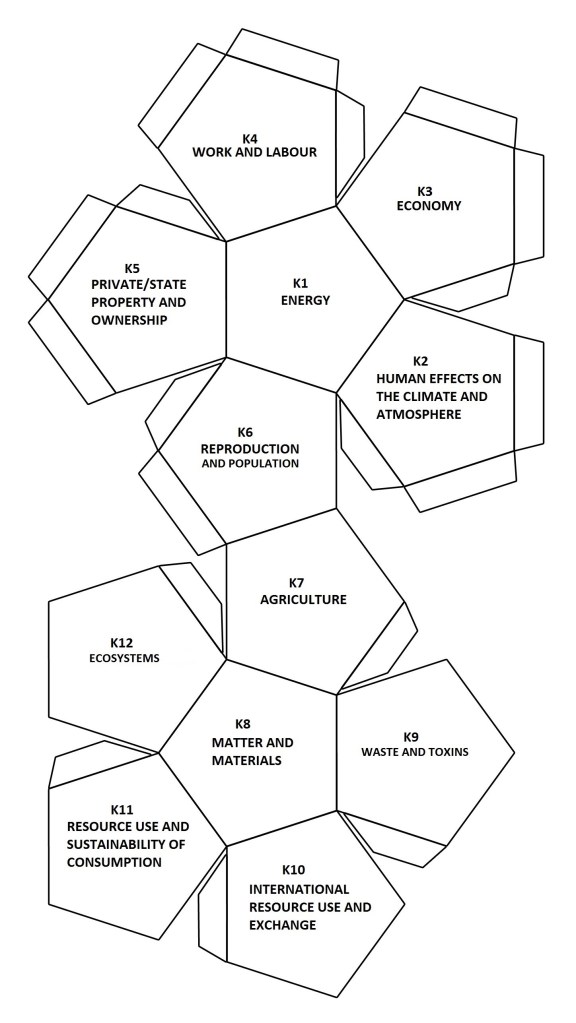
Image 12: The node designations and descriptors of subunit K which is represented by the icosahedron but the faces of a dodecahedron net are used here to represent the vertices of the icosahedron. This subunit describes the large scale systems of humanity and the environment. (adapted from Pixelmaniac,2014)
TABLE 9: The node designations and descriptors of subunit K (icosahedron)
| Subunit Node Designations | Descriptors |
| K1 | Energy |
| K2 | Human Effects on the Climate and Atmosphere |
| K3 | Economy |
| K4 | Work and Labour |
| K5 | Private/State Property and Ownership |
| K6 | Reproduction and Population |
| K7 | Agriculture |
| K8 | Matter and Materials |
| K9 | Waste and Toxins |
| K10 | International Resource Use and Exchange |
| K11 | Resource use and Sustainability of Consumption |
| K12 | Ecosystems |
Sphere 5 sits inside the icosahedron and is a set of variables which form a baseline from which the international agreements on the allowed use of resources are determined. Details about the variables contained in spheres 4 and 5 are omitted here as this information is largely yet to be determined by our current civilization.
It is interesting to note that the cube, merkaba and dodecahedron each share a node of the nested solids and their representations and designations in the framework are listed in table 10 for comparison.
TABLE 10: A list of nodes which share the same coordinates within the nested platonic solids
| Shared nodes | Merkaba | Cube | Dodecahedron |
| E8, G8, I2 | Planetarian, Compassion | Life, Growth, Sustainability | Renewability and Sustainability |
| E7, G7, I4 | Philanthropy, Charity | Health | Energy Usage and Provision |
| E6, G6, I7 | Humanism, Kantianism | Freedom | Human settlements and Shelter |
| E5, G5, I15 | Empathy, Neurotypical | Love | Freshwater Use |
| E4, G4, I10 | Schizoid, Avoidant | Disconnection | Ecocentric Fairtrade |
| E3. G3, I12 | Introverted, Neurotic | Fear | Planet vs profit |
| E2, G2, I17 | Machiavellian, Sociopathic, Psychopathic | Illness | Pollution |
| E1, G1, I20 | Pathocracy, Ponerology, Sadism | Death, Collapse, Unsustainability | Biosphere |
Shared nodes of life, growth (G8) and sustainability and renewability (I2) put a limit to how far civilization and humanity can survive into the future. Shared nodes of death, collapse (G1) and the biosphere (I20) provide a time limit for how long natural systems can support humanity for. Research is now placing greater emphasis on the biosphere as well as the climate (IPBES,2019).
The 5 platonic solids in this nested structure each show a certain duality which are all aligned but some are slightly offset as you move between each layer of the nest. It is useful to list these pairs of duals which highlight the overarching governing concepts of the entire system and interesting parallels between them can be seen. This forms the case that civilization does operate under symmetries just as the universe does as shown in the standard model of physics. Therefore meaning it might be possible to bring order to chaos with enough understanding, compassion and vision. These dual pairs are listed in table 11 according to the hemisphere in which they appear in the Planetarian model.
TABLE 11: The fundamental dualities present in the platonic solids whose vertices diametrically oppose each other.
| Subunit Designation | Geometric Representation | Upward facing (towards top of page) nodes | Downward facing (towards bottom of page) nodes |
| A | Icosahedron 1 | Immorality | Morality |
| C | Octahedron | Humanity | Nature |
| E | Merkaba | Pathocracy, Sadism | Planetarian, Compassion |
| G | Cube | Death, Collapse | Life, Growth |
| I | Dodecahedron | Renewability and Sustainability | Biosphere, Planetary Boundaries |
| K | Icosahedron 2 | Energy | Matter and materials |
Conclusion:
The major pitfalls learned from examining this case study of the great leap forward include that of the centralized planning and decision making which created cascades of dangerous actions throughout the system. It showed that high industrial output paired with only manual labour driven farming is a difficult balancing act. In modern society we now have mechanized means of farming the land but in a more sustainable world with a need for lower greenhouse gas emissions and the prospect of peak oil approaching it is unclear how large-scale usage of fossil fuel powered machinery can be justified. Decentralized governance of smaller scale, subsistence farming such as that of the Amish or Israeli kibbutz might be better models to learn from.
Human nature, the human condition and the factors of philosophy and power make highly complex human systems unpredictable. Without taking all these variables into account, a redesign of civilization to address our problems might have poor outcomes and be destined for collapse. The Planetarian framework maps out these variables in the hope to create a broad overview for the consideration of researchers working in the sustainability field. Learning from mistakes of the past and using present day knowledge will be critical to ensuring a safe and sustainable future for humanity.
References:
Aelshwa (username), 2019 From https://www.kisspng.com/png-octahedron-octahedral-molecular-geometry-triangle-1743688/
Baker, D. L. (2017) “Corporate psychopaths” in public agencies? Journal of Public management and social policy. 24(1): 21-41
Banister, J. (1987) China’s Changing Population. Stanford, CA: Stanford Univ.Press
Becker, J. (1996) Hungry Ghosts: Mao’s Secret Famine. New York: Holt.
Benfrantzdale (username) (2007) Necker Cube. From https://commons.wikimedia.org/wiki/File:Necker_cube.svg
Cangemi, J. P. Pfohl, W. (2009) Sociopaths in high places. Organizational development journal. 27(2): 85-96
Coale, A. J. (1981) Population Trends, Population Policy, and Population Studies in China. Population and Development Rev.7 (March): 85–97
Dikotter, F. (2010) Mao’s great famine: The history of China’s most devastating catastrophe 1958-62. Bloomsbury Publishing
Drummyfish (username) (2019) Platonic solids transparent. From https://commons.wikimedia.org/wiki/File:Platonic_Solids_Transparent.svg
Glennon, M.J. (2014) National security and double government. Harvard national security. 5
Goldsmith, J. (2018) The ‘deep state’ is real. But are it’s leaks against Trump justified. The guardian. 22/4/2018
Henriques, G. (2018) Are some personality disorders polar opposites of others? Psychology today. Dec 8th 2018. Available at: https://www.psychologytoday.com/gb/blog/theory-knowledge/201812/are-some-personality-disorders-polar-opposites-others
IPBES. S. Díaz, J. Settele, E. S. Brondizio E.S., H. T. Ngo, M. Guèze, J. Agard, A. Arneth, P. Balvanera, K. A. Brauman, S. H. M. Butchart, K. M. A. Chan, L. A. Garibaldi, K. Ichii, J. Liu, S. M. Subramanian, G. F. Midgley, P. Miloslavich, Z. Molnár, D. Obura, A. Pfaff, S. Polasky, A. Purvis, J. Razzaque, B. Reyers, R. Roy Chowdhury, Y. J. Shin, I. J. Visseren-Hamakers, K. J. Willis, and C. N. Zayas (eds.). (2019) Summary for policymakers of the global assessment report on biodiversity and ecosystem services of the Intergovernmental Science-Policy Platform on Biodiversity and Ecosystem Services. IPBES secretariat, Bonn, Germany. XX pages.
Jbacus (username) (2014) Nested platonic solids. From https://3dwarehouse.sketchup.com/model/96eea08116343935250f45efd1f96ee0/Nested-Platonic-Solids
Jessop, B. (2015) The state, past, present, future. Polity, Cambridge
Kjmaclean (username) (2013) The star tetrahedron in the cube. The cube inside the dodecahedron. Both from https://kjmaclean.com/Geometry/Volume_Star_Tetra.html
Kueh, Y. Y. (1995) Agricultural Instability in China, 1931–1990: Weather, Technology,and Institutions. Oxford: Clarendon
Li, W. Yang, D.T. (2005) The great leap forward: Anatomy of a central planning disaster. Journal of political economy. 113: 4
Lin, J.Y. (1990) “Collectivization and China’s Agricultural Crisis in 1959–1961. Journal of political economy 98 (December): 1228–52.
Lobaczewski, A.M (2006) Political ponerology: A science on the nature of evil adjusted for political purposes. Red Pill Press
Marcus, G.E (1969) Psychopathology and political recruitment. The journal of politics. 31(4): 913-931
McCauley, M (2013). Stalin and Stalinism. Routledge. p. 43.
Pixelmaniac (username) (2014) Foldable dodecahedron net. From https://commons.wikimedia.org/wiki/File:Foldable_dodecahedron_(blank).jpg
Pixelmaniac (username) (2014) Foldable icosahedron net. From https://commons.wikimedia.org/wiki/File:Foldable_icosahedron_(blank).jpg
Partidarlo,M.R. (2011) SPARK: Strategic planning approach for resilience keeping. European planning studies 19(8) 1517-1536
Pothukuchi, K. Kaufman,J.L. (1999) Placing the food system on the urban agenda: the role of municipal institution in food systems planning. Agriculture and human values 16 (2) 213-224
Scott, P (2007) Icosahedron inside and octahedron. From: https://paulscottinfo.ipage.com/polyhedra/platonic/icosahedron/icosah-in-octah.gif
Tomruen (username) (2006) Compound of two tetrahedra. From https://commons.wikimedia.org/wiki/File:Compound_of_two_tetrahedra.png
Weisstein. E. W. (2004) Insphere. From mathworld http://mathworld.wolfram.com/Insphere.html
Zefiro. L. (2008) Generation of an icosahedron by the intersection of five tetrahedra: geometrical and crystallographic features of the intermediate polyhedra. From http://www.mi.sanu.ac.rs/vismath/zefiro2008/__generation_of_icosahedron_by_5tetrahedra.html
[Written March 2019]
Introduction
As our knowledge of climate change increases, we are seeing more alarming events surrounding the issue. These include the withdrawal by the Trump administration from the Paris agreement; the extreme weather events of 2018; the 2030 timeframe given by the Inter-Governmental Panel on Climate Change (IPCC) special report in 2018 and the protests of the yellow vest, extinction rebellion and school student strike movements. 2018 has seen a growing number of eminent academics speak critically of the IPCC reports due to their failure to include several factors regarding the positive feedbacks in the climate system that would accelerate climate change (CC). Some voices now even conclude that societal and environmental collapse is now unavoidable. In such a collapse, food becomes the primary concern of people and communities.
Calling Climate reporting, target setting and policymaking into question
An article published in 2018 titled ‘What Lies Beneath’ (WLB) (Spratt & Dunlop,2018) offers a stark review of the current paradigm in climate science research. Much of their critique is levelled at the IPCC which delivers predictions based on consensus building which are claimed to underpredict real outcomes (Spratt & Dunlop,2018). The WLB paper cites a long list of scholars and scientists that echo the same sentiment that the IPCC has underestimated the rate of CC progression (Spratt & Dunlop,2018). These individuals and groups are listed in table 1.
Table 1: A list of academics and institutions that endorse the case that reports are underestimating the rate of CC
| Sir Nicholas Stern, Kevin Trenberth, Professor Micheal E. Mann, Professor Kevin Anderson, Dr Barrie Pittock, Professor Ross Garnaut, Sydney climate council, Ian Dunlop, Professor Robert Socolow. |
| Other examples that claim that the IPCC underplays the situation (Xu, Ramanathan & Victor(2018); Wallace-Wells,(2018)). |
The message from these scientists is that our approach to predicting and modelling CC is inadequate to protect us from the worst outcomes. They call for a shift to an existential risk management framework that considers ‘the envelope of possibilities’ which include the worst-case scenarios (Spratt & Dunlop,2018). Existential risk is that which could lead to the extinction of humans. It requires full disclosure about the potential scope, risks and timeframes for global government to respond with effective action. This process is applied in the triple constraint model of project management as shown in figure 1. By considering an aggressive schedule in which CC may reach a threshold from where the stable environmental conditions become irrecoverable, we can then plan for the scope, risks, resources and budget to achieve the best quality of outcome. This threshold is widely discussed in the field to involve passing tipping points which can cause self-reinforcing feedback loops leading to ever increasing temperatures.
Figure 1: The triple constraint model as used in project management (source: Bogdan (2010))
A glaring omission of the IPCC reports are contributions that relate to these feedback processes (USGCRP,2017) which can cause abrupt and potentially irreversible changes. They justify this by stating that the information about such tipping points that cause feedback mechanisms and the ways in which they interact is still limited (Rocha et al,2018). Examples of the feedbacks not considered are shown in table 2.
Table 2: Examples of the feedback mechanisms not considered by most climate models and the IPCC predictions.
| Thawing permafrost: Permafrost regions of the Arctic, when thawed due to increased temperatures, release the potent greenhouse gas (GHG) methane from existing stores and rotting biomass. An abrupt permafrost carbon feedback from the thaw beneath thermokarst lakes are projected to double radiative forcing from the predicted gradual thaw rate within this century (Anthony et al,2018). This warming will cause further permafrost melt and release of methane. |
| Methane hydrates: Methane, when frozen in water, forms a hydrate ice water. Frozen into the seabed is a reservoir of such methane hydrates (Archer,2007). If this were to melt it would release the methane and cause further warming thereby forming a feedback mechanism causing ice to melt at further depth in the seabed. |
| Polar ice melt: Melting sea and land ice at the poles reveals the seawater or land beneath it which decreases the albedo for incident radiation and more is absorbed by the planet than would be reflected by ice. This further warms the land, atmosphere and oceans causing further melting (Andry, Bintanja & Hazeleger,2017). |
| Increased water vapour in the air: Global warming can cause more sea and land water evaporation which creates more clouds. This traps more heat in the atmosphere and exacerbates the greenhouse effect (Trenberth et al,2015). |
| Migration of tropical clouds: Movement of clouds away from tropical regions toward the poles can lead to decreased rainfall and expansion of sub-tropical zones (Norris et al,2016). New research suggests that clouds could disappear completely at an atmospheric carbon dioxide (CO2) concentration of 1200 ppm. The planet could be on track to reach this by 2100 in a ‘business as usual’ scenario. This would happen in a world which is 4°C warmer than pre-industrial levels (PIL) and would further warm the world another 8 ° C. Such an event would wipe out most life on earth including humans (Schneider, Kaul & Pressel,2019). |
| Green carbon sinks – forests, terrestrial plants and soils |
| Forests and plants: With increased deforestation and forest dieback we see less CO2 absorbed by photosynthetic plants and trees. This allows atmospheric CO2 to rise which increases temperatures further and causes more forest dieback. Forest dieback contributes to precipitation reduction, firstly, by the biophysical feedback of reduced forest cover reducing evaporative water recycling. Secondly through the biogeochemical feedback by the release of CO2 adding to global warming. There is also a physiological forcing whereby rising CO2 forces stomatal closure which is the site of the plant through which gaseous exchange occurs (Betts et al,2004). Forests and terrestrial plants absorb carbon through a phytolithic sequestration process which is coupled to the biogeochemical silicon cycle. Silicon fertilizers can enhance carbon uptake (Song et al,2017). |
| Soils: Soils contain more carbon stores than all terrestrial vegetation and the atmosphere combined (Batjes,2016). Intensive agriculture from overgrazing and tilling contributes to depleting this vital carbon sink which could be managed better with regenerative agriculture methods (Marshall,2015). |
| Blue carbon sinks – Oceans and coastal ecosystems |
| Oceans: The solubility pump describes the process of atmospheric CO2 dissolving in seawater and it is the primary mechanism of CO2 uptake in ocean waters (Lade et al,2018). The solubility of CO2 in seawater decreases with increasing water temperature and thus with less CO2 absorbed there is increased heating which further reduces seawater CO2 solubility. The biological pump is that which describes the ocean life which sequesters carbon through the food web. An essential part played in this food web is that of phytoplankton which absorbs carbon into their shells. Ocean acidification, which increases with the increased amount of CO2 absorbed, reduces the ability of phytoplankton to thrive and form the carbonates needed for their shells thus reducing their numbers and sequestration capacity. |
| Coastal ecosystems: Mangrove forests along the coasts are also a carbon sink which if lost to sea level rise would reduce CO2 absorption and create a feedback loop (Wilson,2017). |
| Teal Carbon sinks – Freshwater wetlands |
| Wetlands: Wetlands hold a disproportionately large amount of carbon when compared to other soils. They only account for 5-8% of the earth’s land surface yet hold between 20-30% of total soil carbon (Nahlik & Fennessy,2016). |
| Other colour-coded carbon types are black and brown carbon. Black carbon comes from particles like soot which are left over from incomplete combustion of fossil fuels. These can be carried in the air and deposit on snow and ice which reduces the albedo effect and causes more heat to be absorbed rather than reflected. Brown carbon is the name given to GHG’s such as CO2 and methane. |
Reassessing the credibility of the IPCC models
The IPCC analyses not only exclude a large range of potential accelerants to CC but their consensus building is compiled using research that is out of date by the time they publish. They only include research that is completed at least 3 years prior to the release of the report (Barras,2007). Since international policy-making uses the IPCC reports as their sole reference point for target setting (Spratt & Dunlop,2018) it is unlikely that such targets will be ambitious enough to tackle the problem. Indeed, the voluntary emission reductions set at Paris have been projected to lead to at least a 3.4 °C temperature increase above PIL by 2100 if fully implemented (CAT,2017).
The WLB paper emphasizes the urgency of altering our assessment process of the risks involved to inform the actions we take. An existential risk management-framework is proposed as an improvement to the current consensus-building method the IPCC uses which is based on temperature thresholds. Then to properly address CC we must act and respond as though this is the emergency that it really is (Spratt & Dunlop,2018).
Civilization collapse and environmental breakdown
In the paper titled ‘This is a crisis’, it is concluded that we have now entered environmental breakdown which puts into question the viability of future human society (Laybourn-Langton, Rankin & Baxter,2019). Some implications of environmental breakdown mentioned include malnutrition of displaced people; threats to the infrastructure of property, energy systems, transport and communication networks; starvation and ill health from decreased crop yields and food shocks creating a strain on food supply chains. This type of environmental breakdown acts as a ‘threat multiplier’ which in the extreme case could lead to a ‘runaway collapse’ of economic, social and political sectors of society which spread through the globally interconnected systems (Laybourn-Langton, Rankin & Baxter,2019).
This type of societal and environmental collapse has now been considered by some to be an inevitable outcome of the crisis we are now facing (Bendell,2018; Read,2018; Servigne & Stevens,2015). There is even a whole field devoted to the study of collapse called collapsology. There are a few interpretations of civilization collapse being communicated. Some take the view that we are to grieve and accept this loss to help motivate action (Bendell,2018; Servigne & Stevens,2015; XR,2018). In table 3 we theorise that society has been going through this grief process by attributing certain academic, public and governmental actions to the 7 stages of grief (the modified version of Kubler Ross model).
Table 3: The seven stages of grief humanity has displayed in reaction to the existential threat of climate change
| Shock: On a societal and personal level our reaction to the discovery of the threats of climate change is strong. We are shocked that the consequences could be so severe that it poses an existential threat to us that we struggle to comprehend this reality. |
| Denial: Outright climate denialism has peppered the conversation by some academics and corporate affiliates. The lack of action demonstrates a level of denial despite the decades of governmental negotiations on CC. Public ignorance of the full implications of CC is commonplace. People would rather maintain ignorance than confront the realities of dealing with CC. For those with wealth and power, it is an inconvenience to them and it appears it is preferred to pacify the public by vaguely acknowledging it and sidestep the harsh realities. |
| Anger: There have been countless protests and movements attempting to invigorate action on climate change but none have captured the attention of the public like what has been seen in 2018 and early 2019. The yellow vest protests, whilst not explicitly protesting for environmental concern, have been motivated in response to a fuel tax which was created to help cut GHG emissions. The extinction rebellion movement has engaged in civil disobedience to rebel against the inaction as we march towards extinction of the human race. The school youth strikes have increased attention on the issue and voices of the disillusioned youth are being heard. |
| Bargaining: The current and previous proposals to tackle the issue have been not nearly enough to halt CC. The ideas of sustainability, mitigation, transformation and adaptation have fallen on deaf ears and most of the solutions do not tackle the largest, most difficult issues such as planetary overpopulation. There has been an avoidance of facing the toughest transformational policies and instead, we have placed our hope in adding complexity to the existing system without needing to change the status quo. The ideas of geoengineering, cloud seeding, CO2 sequestration and carbon extraction technologies are a last resort and defence, but none of these ideas has been tested at scale and relying on them is setting ourselves up to fail. |
| Depression: The feelings of hopelessness and apathy by those who have looked closely at the complexity of this issue shows in the lack of commitment to any concrete plans to overhaul the system. It is clear that we would need to change everything but keeping everyone happy and the changes be ethical, never mind getting the political will to introduce such changes, seems an impossible task. With the Trump administration withdrawing from the Paris agreement this seems more an act of giving up rather than denial. The solutions would require a disentangling of all of our highly interconnected, complex systems at the cost of convenience and excess for many. The loss of this lifestyle seems too depressing and unacceptable to many. |
| Testing: This is the critical evaluation of the worst-case scenario threats from CC with an honest and assertive appraisal of the dangers communicated to the public, scholars and government. We are seeing this now with the case being made that the IPCC reports are too conservative to be relied upon to set targets. With the real threat of collapse being discussed openly and the call for a need for deep adaptation to avert the worst possible outcomes. |
| Acceptance: This stage is one of accepting that a collapse of civilization and environment are a very likely scenario and of finding a meaningful way forward. This stage is about safeguarding what is most important upon facing the reality of loss. This type of safeguarding is like that of the decision made by the British government in world war 2 to send children that lived in cities to the rural towns and villages to protect them from the bombing. Another example is the decision made by the captain of the Titanic to send children and females first to the lifeboats as the ship began to sink. For humanity, safeguarding might be to ensure the ability of a number of humans to survive as long as possible and avoid or at least delay a human extinction. It would include taking precautions to fortify the environment’s ability to recover in a potential post collapse rehabilitation phase. We may be at this stage of grief now, but also maintaining hope that our other and as yet formulated strategies to combat climate change will work. The old adage hope for the best, prepare for the worst certainly applies to climate change. |
Other viewpoints on the effects of a collapse take the contrary opinion that we are not to grieve the loss of civilization but welcome it as the true remedy for the environment (Casaux,2018). A more balanced view between grieving and welcoming collapse is given in a paper which describes it as an opportunity for a successor civilization to emerge (Read,2018). This decay and potential rebirth of civilization have been described as inhabiting the ‘back loop’ or reorganization phase of the resilience adaptive cycle (Wakefield,2017) as shown in figure 2. These phases of the adaptive cycle are described in table 4.
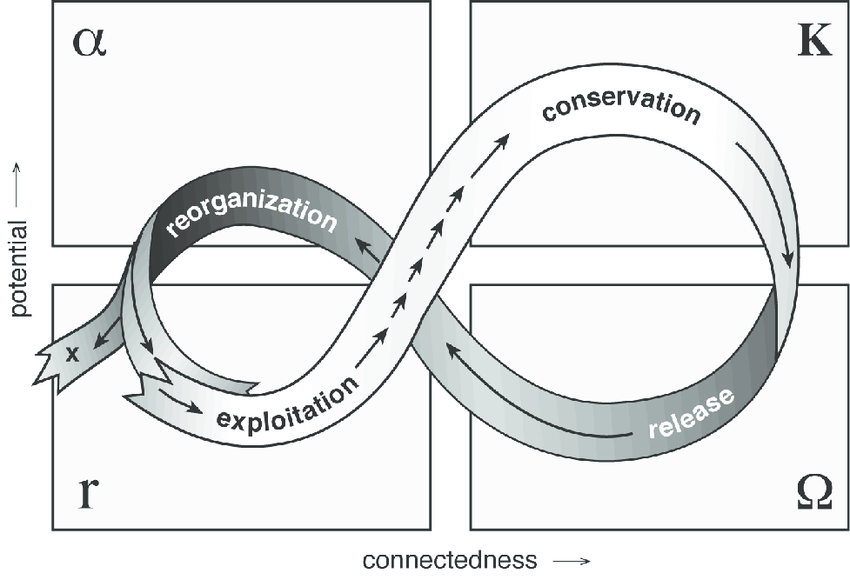
Figure 2: The resilience adaptive cycle (Source: Gunderson & Holling,2002)
Table 4: Descriptions of the phases of the resilience adaptive cycle (adapted from Gunderson & Holling,2002)
| Exploitation/growth: |
| Fast accumulation of resources |
| Competition and seizing of opportunities for resources |
| Increasing complexity, connections and diversity |
| High but decreasing resilience |
| Conservation: |
| Slowed growth |
| Resources are stored and used to maintain the system |
| Stable with high certainty but reduced flexibility and resilience |
| Collapse/Release: |
| Chaotic collapse and release of capital |
| High uncertainty and resilience low but increasing |
| (Re)organization: |
| Innovation and resilience are high |
| Restructuring and adapting to new conditions |
| The greatest uncertainty in the cycle but with high resilience |
Building upon our current strategies of response to climate change
The strategies developed to combat climate change fall into several broad categories but until recently none have gone far enough to imagine a response to the collapse of society or the environment. Such a strategy called the deep adaptation agenda has now been explored in a recent paper (Bendell,2018). To add to this collection of strategies we propose a subcategory of deep adaptation as a safeguarding strategy. This acts to secure a larger subset of the population than currently existing, with a food self-sufficient, off-grid living infrastructure to survive and live through a collapse. It also emphasizes regenerating our natural carbon sink environments which might not only mitigate CC before a collapse but could deliver the fastest recovery of the climate post-civilization collapse, if this is at all possible. The range of strategies considered by the field so far is briefly overviewed in table 5 with the addition of the safeguarding strategy. The ideas of deep adaptation and safeguarding are most applicable to the ‘back loop’ reorganization phase of the resilience adaptive cycle of figure 2 and table 4.
Table 5: Proposed strategies to combat or prepare for climate change
| Sustainability: Using methods to limit GHG emissions to slow and reverse climate change progression This range of strategies is described by (Ripple et al,2017) Prioritise creating connected, well-funded and managed reserves for terrestrial, marine and aerial habitats Maintain ecosystems by halting the conversion of forests, grasslands and other native habitats Reforestation Rewilding, restore apex predators Prevent defaunation, poaching crisis Reduce food waste with better education and infrastructure Eating fewer animal products Promote female education and family planning to decrease birth rates Outdoor nature education for children Divesting to encourage environmental positive change Expand green technologies and renewable energy Phase out subsidies for fossil fuels Revise economy to take account of real costs to the environment including pricing, taxation and incentives which will help reduce wealth inequality Estimating a scientifically defensible, sustainable human population size for the long term while rallying nations and leaders to support that vital goal Reduce intensive agriculture and move to agroecology and permaculture methods of farming |
| Mitigation: Limit the magnitude or rate of CC, to reduce the loss of life or damage by lessening the impact of adverse events. Collective actions for the public good. Prepare coastal and urban flood defences against sea level rise and extreme rainfall events respectively Form emergency response plans for extreme weather events such as wildfires, flooding and droughts Increase energy efficiency such as improving building insulation Phase out fossil fuels and switch to low carbon sources Removal of CO2 from the atmosphere Having fewer children Live car-free Eating a plant-based diet Reforestation and afforestation Switch to regenerative agriculture methods Carbon emissions trading, GHG emissions tax, Carbon offsetting |
| Adaptation: Incremental changes to civilization to avoid the worst effects of climate change. Diversifying energy sources and innovating new technology Intensifying green energy usage Revitalizing old methods such as in crop agriculture, eg. biodynamic, organic Change mobility habits using more public transport and car sharing Rationing fuel or animal products |
| Transformational adaptation: Non-incremental changes to civilization to avoid the worst effects of climate change System-wide change or changes across more than one system Focus on future and long-term change Direct questioning of the effectiveness of existing systems, social injustices and power imbalances |
| Resilience: The ability to prepare for, absorb, recover from and more successfully adapt to adverse events This list is described by (Partidarlo,2011) To assume a socio-ecological understanding system thinking to understand the structure and dynamics of the system Recognize uncertainties, disturbances and thresholds in the context of complexity Use the adaptive cycle model to understand system trajectories Consider cross-scale interactions and interdependencies Increase the adaptive capacity of and to transform the system when crucial Scan for vulnerabilities to avoid collapse and maintain resilience Shift the mindset from command and control to learn and adapt |
| Deep adaptation: Reduce the harm of a potential collapse by securing essential systems Proposed by (Bendell,2018) Building water and communication systems that won’t fail if the power grid collapses Protecting pollinating insects Pull back from the coast Close climate exposed industrial facilities such as nuclear power stations Planning for food rationing Let landscapes return to a natural state Give up expectations for certain types of consumption Rely more on the people around us |
| Safeguarding: The process of creating a safety net for humanity and the environment to provide the best hope of avoiding human extinction and climate recovery. Attempting to ensure permanence and perpetuation of humanity. Recommendations by the author: Raise the alarm among academics about the now highly likely possibility of environmental and societal collapse. Open a dialogue to form a consensus position ready to inform governments and wealthy private groups to take action in the form of safeguarding. Planning for the preservation of the human species by setting an estimated desirable minimum number of humans to recolonize the planet post societal collapse and acting to save that number of healthy, fit people. Create purpose-built, self-sufficient, off-grid communities in regions considered to be least or last effected by CC Adapting small settlements such as rural villages to be ready for or transformed into off-grid living communities that are self-sufficient Prepare the planet to naturally absorb as much CO2 as possible which may mitigate CC but also hasten a potential reversal of climate conditions post societal collapse Reforestation, afforestation, planting of mangrove forests and seagrass and kelp forests Locate some of these off-grid safe havens in areas where this greening exercise by these groups can continue during and after a societal collapse |
By prioritizing the safeguarding strategy now, there are effects of these actions which can create ripple effects in society. By setting a desirable minimum number of humans to secure, this creates an achievable goal which would be seen in society as an effort to avoid the very worst-case scenario which is human extinction. By reducing the probability of this occurring it can provide people with the hope that humanity has taken steps to secure itself as best it can. This could spur more to want to survive and those with the private resources to do so may flock to rural villages and create or join an effort to transform them into off-grid-ready communities. It might shift this apathy related inaction of humanity stemming from the perception that it is unable to do anything to fight climate change at a scale which will be lasting. The fortification of natural systems which act as carbon sinks is the most economic use of our energy since the initial investment requires very little materials or maintenance and it has the potential for the biggest payoff in the long run.
Timeframes for collapse
The warmest five years on record have occurred in the last five years and the warmest 20 over the last 22 (WMO,2019). With the 2018-19 summer in Australia being the warmest ever recorded (AGBM,2019) and anomalous warmth in Europe with the warmest February day ever recorded in the UK (MET,2019a), we can see the effects of climate change are being felt globally. The MET office predicts we may see a temporary global temperature surge past the 1.5 °C above PIL in the next 5 years (MET,2019b) which is viewed as a critical temperature rise to not surpass to avoid the worst climate scenarios. This does suggest we are seeing an accelerated progression towards a 1.5°C rise above PIL than the IPCC special report forecasts to be around 2030 (IPCC SR15,2018).
Other factors aside from feedback mechanisms which are not considered by the IPCC report include solar weather. Solar weather plays a role in global temperatures (SNSF,2017) as it moves through an 11-year cycle from maximum to minimum of solar activity. We are currently at solar minimum with no sunspots recorded at all during February 2019 (spaceweather.com,2019). There are suggestions we may be heading into a Grand Solar Minimum where sunspot numbers drop dramatically for decades at a time and this has correlated with markedly lower temperatures (Zachilas & Gkana,2015). Solar activity has been weakening over the past several solar cycles and if such a Grand Solar minimum does occur this could somewhat counteract global warming thus offering us a longer period to adapt to it.
The greatest solar activity occurs over the 5 or so years which span the midpoints between maxima and minima centred around the maximum. The predicted forthcoming period will be approximately between 2022 and 2028 with maxima peaking around 2024 (Odenwald,2017). If this maximum is coupled with the emergence of one or more El Nino conditions during that period, we might expect temperatures to accelerate higher faster than predicted for that time. This could impact potential feedback loops and push them passed tipping points sooner if they had not reached this threshold already. With the IPCC providing a timeframe up to 2030 beyond which the effects of CC will be much more pronounced it might be more accurate to shift this timeframe closer to 2025. With the evidence cited here, it would be prudent to take swift action to safeguard humanity, mitigate the effects of and adapt to CC.
The precautionary principle has not yet been invoked effectively by policymakers, which when applied, answers the call of social responsibility to protect the public from harm when scientific investigation has found a plausible risk (Read,2017). The task of ensuring safety from CC for a global population nearing 8 billion is one of staggering magnitude due to the complexity of our systems. Yet it is not too late to at the very least use the precautionary principle to build infrastructure to sustain a relatively small population that will be more protected from collapse. The limited window of opportunity suggested here places safeguarding as the most realistically attainable goal in such a short amount of time when compared to all our current proposed strategies to deal with CC.
Food in a world after civilization collapse
In a post-collapse world, the services and goods in the developed world would be unlikely to be provided. Cities would be most affected which rely on continuous delivery of food from farms outside the city and imported from all around the world. Developed countries also no longer keep vast surpluses and stockpiles of food as they operate on a ‘just in time’ delivery system which ships in food to be replaced as it is purchased. It is possible that the electrical grid and even water supply would eventually falter and cease to function without the engineers and personnel available to maintain and run these systems.
It is considered here that rural, off-grid living provides the best chance to survive this post-collapse society. There are many variations of this lifestyle from around the world which persist today. Their primary activities are to farm and grow food and it is often done in a collective community manner. A good example is in China which is the most populous country in the world and where approximately 42% live in rural regions (World Bank,2018). Full electrification of the country was only completed in 2015 which is a few decades behind many other industrialized nations (Gang,2017). Because of this, many rural communities still use traditional, non-electric methods of growing, harvesting, cooking and storing food.
There are many other similar examples of such agriculture and living methods which include the Amish and Mennonites, the Israeli Kibbutz, Traditional rural communities, Intentional communities, Collective farming, Civic agriculture, Homesteading and Tropical fruit orchard ownership. Some details of these styles of self-sufficient and in some cases off-grid living are given in table 6.
Table 6: Examples of food self-sufficient lifestyles from around the world
| Amish and Mennonite: These religious people shun most electrically powered devices and other modern conveniences and pride themselves on working hard. Items generally disallowed from use include cars, tractors, propane gas, refrigerators and inside flush toilets. Many do allow the use of motorized washing machines though. Some Mennonite orders allow the use of cars, electricity, phones and computers. They farm their own foods and can and pickle produce as a way of preserving the harvest. |
| Kibbutz: A kibbutz is generally based on a collective community ideal which focuses mainly on agriculture. A hard work ethic in cultivating the land is the main feature which also makes them food self-sufficient. They most often subscribe to an ideology of equality which was originally in the form of socialism. |
| Traditional rural communities: Many rural communities around the world still operate without a connection to the electrical grid and some that have electricity still use the traditional tools and methods of food production, cooking and storing. Using firewood to cook on stoves, in ovens or over open fires is essential to their lifestyle. Home preservation with oils, alcohols and fermentation is used to extend the lifetime of the harvest. |
| Intentional community: Typical values of such groups include self-sufficiency, simplicity and minimalism, sustainability and communal living. |
| Collective farming: The agricultural work is run by multiple farmers who work together to cultivate and farm the land. Collectivization is the process of joining separate farmlands under one joint enterprise. |
| Civic agriculture: Agriculture is viewed as the responsibility of an entire community and it connects the farmer to the community through a social connection. The sustainability of this type of rural agriculture is a central value which aims to create a self-sustainable local economy. |
| Homesteading: The lifestyle is one of subsistence farming and self-sufficiency but is different from communal types of living as it is more of an individual or family approach. It involves home preservation of foods such as canning, pickling, drying and traditional forms of storing produce. Modern homesteading often uses renewable technology to power their homes with solar and wind power. |
| Tropical fruit orchard ownership: Tropical fruit orchards provide an ideal form of subsistence farming as fresh, high nutrient fruits are optimal for our health. It is possible to thrive on a largely raw, plant-based diet with a high fruit sugar content. Limited by their geographical location requiring at least sub-tropical warmth and fertile soils to grow in, they are only viable closer to equatorial regions. |
Conclusions:
This case study conforms to the triple constraint model of project management in the case of climate change which threatens to collapse environmental and societal systems. The imperative of such a project is to avert human extinction and preserve the habitability of the planet. We have determined that the scope for this project thus far has been inadequate to assess the magnitude of the problem as shown by the incomplete IPCC reporting methods. They ignore the risks of feedback loops in their predictions and now it is believed by some that we risk environmental and societal collapse. The schedule for these events is given as a rough approximation to happen nearer to 2025 than 2030 contrary to the IPCC special report prediction. The resources to combat the issue are the strategies humanity has devised thus far which are extended to include the newly formed deep adaptation agenda and the author’s suggestion of a safeguarding component. The budget for this action is the will of individuals to act including political and powerful individuals. Highlighting the grieving process as stages of the collective human response to this crisis shows we appear to be reaching an acceptance of the loss of industrialized civilization. When applied to food, the quality of the outcome is determined by the previous factors. It is concluded that self-sufficient, off-grid and traditional means of food production, cooking and storing is the best and safest way to ensure the survival of the largest number of individuals in the case of collapse.
References:
Andry, O. Bintanja, R. Hazeleger, W. (2017) Time dependent variations in the arctic surface albedo feedback and the link to seasonality in ice. Journal of climate 30(1) 393-410
Anthony, K.W. Deimling, T.S. Nitze, I. Frolking, S. Emond, A. Daanen, R. Anthony, P. Lindgren, P. Jones, B. Grosse, G. (2018) 21st-century modelled permafrost carbon emissions accelerated by abrupt thaw beneath lakes. Nature Communications. 9(3262)
Archer, D. (2007) Methane hydrate stability and anthropogenic climate change. Biogeosciences 4 521-544
Australian Government Bureau of Meteorology (AGBM) (2019) Australia in summer 2018-19. Available at: http://www.bom.gov.au/climate/current/season/aus/summary.shtml
Barras, C. (2007) Rocketing CO2 prompts criticisms of IPCC, New Scientist, 24 October 2007
Batjes, N.H. (2016) Harmonized soil property values for broad scale modelling (WISE30Sec) with estimates of global soil carbon stocks. Geoderma 269 61-68
Bendell, J. (2018) Deep adaptation: A map for navigating climate tragedy. IFLAS occasional paper 2. Institute for leadership and sustainability. Available at: http://www.lifeworth.com/deepadaptation.pdf
Betts, R. Cox, P. Collins, M. Harris, P.P. Huntingford, C. Jones, C.D. (2004) The role of ecosystem-atmosphere interactions in simulated Amazonian precipitation decrease and forest dieback under global climate warming. Theoretical and applied climatology. 78(1-3) 157-175
Bogdan, C. (2010) “Triple constraint” in project management, available at: https://commons.wikimedia.org/wiki/file:Tripleconstraint.jpg
Casaux, N (2018) The problem of collapsology. http://partage-le.com/2018/01/8648/
Climate Action Tracker (CAT) 2017, ‘Improvement in warming outlook as India and China move ahead, but Paris Agreement gap still looms large”, 13 November 2017, http://climateactiontracker.org/publications/briefing/288/Improvement-in-warming-outlook-as-India-and-China-move-ahead-but-Paris-Agreement-gap-still-looms-large.htm
Extinction Rebellion, (2018) https://rebellion.earth/who-we-are/
Gang, H. (2017) Three lessons from China’s effort to bring electricity to 1.4 billion people. Available at: https://www.chinadialogue.net/article/show/single/en/9934-Three-lessons-from-China-s-effort-to-bring-electricity-to-1-4-billion-people
Gunderson, L. Holling, C.S. (2002) Panarchy: Understanding transformations in human and natural systems. Washington DC: Island Press
IPCC SR15 (2018), Global warming of 1.5°C, IPCC
Lade, S.J. Donges, J.F. Fetzer, I. Anderies, J. M. Beer, C. Correll, S.E. Gasser, T. Norberg, J. Richardson, K. Rockstrom, J. Steffen, W. (2018) Analytically tractable climate-carbon cycle feedbacks under 21st century anthropogenic forcing. Earth.syst.Dynam. 9 507-523
Laybourn-Langton, L. Rankin, L. Baxter, D. (2019) This is a crisis. Facing up to the age of environmental breakdown. IPPR. Available at: https://www.ippr.org/research/publications/age-of-environmental-breakdown
Marshall, L. (2015) Organic-plus? Natural foods merchandiser; Badle 36(10) 23-24, 26
Met Office UK (2019a) Record breaking February, mild winter. Available at: https://www.metoffice.gov.uk/about-us/press-office/news/weather-and-climate/2019/february-and-winter-statistics
Met Office UK (2019b) Decadal forecast. Available at: https://www.metoffice.gov.uk/research/climate/seasonal-to-decadal/long-range/decadal-fc
Nahlik, A.M. Fennessy, M.S. (2016) Carbon storage in US wetlands. Nature Communications 7: 13835
Norris, J.R. Allen, R.J. Evan, A.T. Zelinka, M.D. O’Dell, C.W. Klein, S.A. (2016) Evidence for climate change in the satellite cloud record. Nature 536 372-375
Odenwald, S. (2017) Waiting for the next sunspot cycle: 2019-2030. HuffingtonPost. Available at: https://www.huffingtonpost.com/dr-sten-odenwald/waiting-for-the-next-suns_b_11812282.html
Partidarlo,M.R. (2011) SPARK: Strategic planning approach for resilience keeping. European planning studies 19(8) 1517-1536
Read, R. O’riordan, T. (2017) The precautionary principle under fire. Environment science and policy for sustainable development. 59(5) 4-15
Read, R. (2018) This civilization is finished: So what is to be done? IFLAS occasional paper 3. Institute for leadership and sustainability. Available at: http://lifeworth.com/IFLAS_OP_3_rr_whatistobedone.pdf
Rocha, T.C. Peterson, G.Bodin, O. Levin, S. (2018) Cascading regime shifts within and across scales. Science 362(6421) DOI: 10.1126/science.aat7850
Schneider, T. Kaul, M. Pressel, K.G (2019) Possible climate transitions from breakup of stratocumulus decks under greenhouse warming. Nature geoscience 12 164-168
Servigne, P. Stevens, R. (2015) How everything can collapse: small manual of collapsology for the use of the present generations. Ed. Du Seuil
Spaceweather.com (2019) A month without sunspots. Available at: http://www.spaceweather.com/archive.php?view=1&day=01&month=03&year=2019
Spratt, D. Dunlop, I. (2018) What Lies Beneath. The understatement of existential climate risk. Breakthrough. National centre for climate restoration. Available at: https://docs.wixstatic.com/ugd/148cb0_a0d7c18a1bf64e698a9c8c8f18a42889.pdf
Song, Z. Liu, H. Stromberg, C.A.E. Yang, X. Zhang, X. (2017) Phytolith carbon sequestration in global terrestrial biomes. Science of the total environment 603-604: 502-509
Swiss National Science Foundation (SNSF) (2017) Reported by: https://phys.org/news/2017-03-sun-impact-climate-quantified.html
Trenberth, K. E., Y. Zhang, J. T. Fasullo, and S. Taguchi (2015), Climate variability and relationships between top‐of‐atmosphere radiation and temperatures on Earth. J. Geophys. Res. Atmos., 120(9) 3642-3659
USGCRP (2017) Climate Science Special Report: Fourth National Climate Assessment, Volume I, US Global Change Research Program, Washington, DC, USA.
Wallace-Wells, D. (2018) UN says that climate genocide is coming. But it’s worse than that. NYmag, Intelligencer. Available at: http://nymag.com/intelligencer/2018/10/un-says-climate-genocide-coming-but-its-worse-than-that.html
Wakefield, S. (2017) Inhabiting the Anthropocene back loop. Resilience. 6(2) 77-94
William J. Ripple, Christopher Wolf, Thomas M. Newsome, Mauro Galetti, Mohammed Alamgir, Eileen Crist, Mahmoud I. Mahmoud, William F. Laurance, 15,364 scientist signatories from 184 countries; (2017) World Scientists’ Warning to Humanity: A Second Notice, BioScience, 67(12) 1 1026–1028, https://doi.org/10.1093/biosci/bix125
Wilson, R. (2017) Impacts of climate change on mangrove ecosystems in the coastal and marine environments of Caribbean small island developing states (SIDS). Caribbean marine climate change report card; science review: Science Review 2017 60-82
World Bank (2018) Rural population (% of total population). Available at: https://data.worldbank.org/indicator/sp.rur.totl.zs?year_high_desc=true
World Meteorological Organisation (WMO) (2019) The state of the global climate in 2018. Available at: https://public.wmo.int/en/media/press-release/wmo-confirms-past-4-years-were-warmest-record
Xu, Y. Ramanathan, V. Victor, D.G. (2018) Global warming will happen faster than we think. Nature. 564. 30-31
Zachilas, L. Gkana, A. (2015) On the verge of a grand solar minimum. A second Maunder minimum? Solar Physics. 290(5) 1457-1477
[Written March 2019]
Seaweed Climate Superhero?
We know that human caused greenhouse gas emissions, such as methane, are warming our planet. Animal agriculture is responsible for more emissions than all transport, including aviation, combined. This is largely because of the enteric methane emissions from livestock as methane as a greenhouse gas is 28 times more potent than carbon dioxide. Reducing red meat production and consumption would be the surest way to curb such emissions. But it might be possible, with the aid of seaweed, to reduce the amount of methane cows are producing.
Ruminant animals such as cows produce large amounts of methane from the microbes in their digestive tracts which are released when they belch, exhale and to a lesser extent from the cow’s rear end. Many ways to directly reduce this source of methane from the cow have been tested without much success or great difficulty. Until now.
Robert Kinley co-authored two papers of in vitro studies of the effects of different types of seaweed on cow rumen fluids. The first study with his team in Canada showed a reduction of up to 16% methane production doi:10.1007/s10811-014-0487-z. The second study was carried out with another team in Australia which tested a different type of red seaweed called Asparagopsis taxiformis (image 1), which to their amazement showed a 99% reduction in methane production doi:10.1071/AN15576. They also found that unlike other seaweeds it works at low doses of less than 2%. This red macroalgae prevents the methane production through a compound it releases called bromoform (CHBr3) which reacts with vitamin B12. This interferes with the last step of the enteric methane production where enzymes are used by microbes to create the gas.
Now a team led by Ermias Kebreab at UC Davis are the first to test the effect of adding this seaweed to the feed of live dairy cows. Their preliminary results have shown a greater than 40% reduction in the methane they produce. The animal science professor said “This is a very surprising and promising development.” To be able to add seaweed to the feed of the global cattle population would require large amounts of land and water. One company called Australis Aquaculture is attempting to grow Asparagopsis to commercial scale within 2 years. The company CEO Josh Goldman said “If you could feed all the cows this seaweed, it would be the equivalent of taking all the cars off the road.”
Other macroalgae such as seakelp also have other climate change fighting uses. They can act as a carbon sink by sequestering carbon through rapid growth of up to 2 feet per day powered by photosynthesis. This organic store of carbon is then transported away from kelp forests and out to sea through old frond shedding and in storms which rips fronds and whole plants. Some of this material is buried in coastal sediments and the rest floats out to the deep sea. One study suggests that as much as 11% of the total seaweed production is sequestered in the seabed which is more than previously thought doi:10.1038/ngeo2790. Another use for seakelp is for use as a source of non-agricultural land grown biofuels such as biodiesel, ethanol and butanol.
The diversity of uses for seaweeds to fight climate change are so versatile it might be hailed as the superhero climate fighter of the sea. Although the ability to supply the super seaweed Asparagopsis at global scale is yet to be shown possible. But seaweed has given us a reason to be hopeful in our fight against climate change and these discoveries couldn’t have arrived at a more urgent time.
1. Abstract
Our current political environments and governance methods are inadequate to deal with today’s global challenges of such a large, complex system. We see biased and ineffective political landscapes undermined by systemic corruption and led by irrational decision making which frustrates the process of governance. To help solve this we propose an online collective intelligence forming a hive mind as a nexus between society and government which forms the central plexus of all organisations that contribute to global governance. It amalgamates many independent bodies into a restructured advisory syndicate effective enough to coordinate the allocation of resources in a sustainable and equitable manner. This confederation of specialists can identify, examine, evaluate and incorporate all relevant information on a global scale. Using expert technocrats to quickly formulate the best strategies to deal with current and emerging challenges makes for the most suitable praxis. We manifest a voice for global citizens by incorporating hive mind representatives into national and international government organisations such as the United Nations. This system can bring accountability to government but also to corporations. THM uses anonymous deliberation in decision making which serves as a prototype for government bodies to later adapt for policy formation. This should have the effect of attracting traditionally less politically inclined individuals to government to restore some balance and breakup the culture of cronyism, nepotism and of serving personal and special interests.
THM process involves cataloguing data and connections between knowledge in vast databases to create the most sophisticated resource for information sharing and solution generation. It is a comprehensive consolidation of the innovative tools we have developed to manipulate information and streamline processes in society. This may use virtual reality desktop software and artificial intelligence research to become such a powerful method for knowledge curation. Its development is based on commons based peer production but will involve a mixture of paid leadership positions and volunteer contributions with possible monetary incentives. This situation may create a compelling case for installing a universal basic income. THM collaborates with governments to disseminate information to citizens using direct communication such as a citizen email address. This forms the basis of a gateway for people to access the hive mind and to establish an official hub of the internet. The aim is to support new generations of competent co-creators of the future by inspiring and molding children during their school years. This includes lifeskills education and guidance to maximise their potential in the fields and roles best suited to their skills and passions. A distinguishing core value championed by THM is the Planetarian lifestyle advocating for sustainable food choices to improve our lives, society and the environment.
THM creates a framework for developed nations to reform all policy areas so citizens, government and corporations can freely choose to make sustainable actions. This can then be extended to support developing nations to implement these processes to improve quality of life and the function of their society. The Planetarian hive mind model proposes a long-term vision to support and evolve our emerging advanced civilization. This endeavour can bring us closer to a knowledge, understanding and technological singularity faster than any other method. This acceleration of human progress is urgently required to fix world problems and to develop tools that could make interstellar travel a reality.
The Planetarian hive mind model is largely a floating agency which modifies current institutions to adapt their governance procedures. There is a bridging between the academic and political spheres by creating high-level security rooms and computer stations within both institutions for its members to access the hive. In these institutions technocrats, hive representatives and ministers can all use THM for information gathering, solution finding and decision making. Computer engineers and cybersecurity experts will take up residence in dedicated secure server sites possibly also located on university campuses.Global users are instructed on how to increase computer privacy and access the hive through proprietary anonymising software. Hive representatives can meet with prominent non-governmental organisations, think tanks, philanthropists and financial and commercial representatives at the Planetarian world summit. Here they can review global progress via online video conference and in person. All discussions must be authorised to ensure they don’t increase the risk of sabotage by groups that may be negatively affected by such discussions. A constitution will outline a code of practice and protocols to maintain a focus on creating content for progress. THM uses a tailored deliberation process and algorithm to determine the most practical, logical and beneficial strategies for long term sustainability. This informs decision making which can be used in the hive online and within legislative bodies over the secure intranet. The output of the hive is governed by a small group named central command who are responsible for authorising discussions and communications between hive, representatives and government.
THM is designed to avoid corruption by being essentially unbribable as contributions are all anonymous. Great lengths will be taken to create a stable and secure online platform where user data is safe and the hive is protected from hacking. Central command and leadership members of the hive are appointed in the spirit of noocracy which is a system of rule by intellect. Therefore, academics demonstrating the best working knowledge of global issues and a commitment to the preservation of the planet are selected initially by THM commissioning team and later through a review process by the hive leadership team. Hive representatives can be elected by online campaign and voting.
THM convenes an allegiant, diverse and illuminated peer group to carefully map and navigate for humanity through this seemingly insurmountable impasse. It will take the height of human cooperation to redesign, refine and regulate our civilization. This is the remediation that can rectify our oversights of the past and obviate potentially irreversible future damage to world systems. Ultimately it has the potential to be the paragon of human leadership and autonomy that provides a final united aegis for the planet and the life present here.
2. Description of the Model
Introduction:
The world currently operates under a de facto world government comprising financial organisations and the corporate ruling class. Under this capitalist system, we see predatory global corporations internalize profit and externalize ‘true cost’ (the actual cost of consuming non-renewable resources while accelerating climate change (CC)). Greed is most responsible for CC; that of the world’s largest private corporations which seek unlimited financial gains. Corruption also worsens the opportunities to prevent or lessen the impact of CC risks, as resources and efforts are squandered. The world economic forum estimates the cost of corruption equal to $2 trillion each year [1]. Corruption of the few imposes poverty on the many and this itself leads to all other afflictions of our society. These are listed as the 10 threats in the 2004 report by the United Nations (UN) high level panel on threats, challenges and change [2]. These include disease, environmental degradation, wars, genocide, human rights atrocities, terrorism and transnational crime. Our governing institutions are in mass disarray and are now less reliable than required to support a competitive, complex democracy. An example in Europe is how democracy is undermined because important decisions are made by an unelected troika of The European Commission, International Monetary Fund and The European Central Bank. This centralised power in our world economic systems ensures that policy is insulated from politics and the general population has no role in decision making (DM). This is called technocratic insulation meaning that a group of technocrats work in insulation from the public to design policies. Our present multilateral order is now outdated being formed in a different environment at the end of World War Two. Modern global governance (GG) clearly requires updated supranational organisation to make enforceable decisions to address global risks.
The crisis we face right now requires the implementation of such tough measures that politicians would fail to get the necessary political support to introduce them. The political spectrum is so fragmented and political conversation so acrimonious that the concerted and determined answers that are needed can’t be provided by political figures. In situations of political and economic crisis, we have seen nations defer to technocrats to help solve the issue such as in response to the great depression, formation of the Soviet Union and in Italy in the 1990’s. Technocrats possess the reputation necessary with both their knowledge and a sense of putting national interests above party political interests. But this strategy was always a short-term fix because the political challenge and backlash of imposing austerity measures mean technocrats lack the political legitimacy that elected party politicians bring to government [3]. We propose here a method to bring a permanent technocratic element to politics which advocates for application of the scientific method to solve global social problems. A technocracy makes the role played by money and economic values less emphasised and more concern is given to sustainability within the resource base instead of corporate profits. It is based on a meritocracy or geniocracy where the ablest become the authority and if possible, largely without the influence of special interest groups.
A technocracy using science based methods is vital as a backbone for progress but it will be useless from a humanitarian perspective if we can’t transcend violence, politics, class, greed, power, states, countries etc. These are relics of a primitive mindset and we must awaken to this awareness if we are to move to a mindset of an advanced civilization. Overcoming these debilitating aspects of ourselves will take new value systems and learning to communicate with rationale and diplomacy. Miscommunication, misunderstanding and misconceptions are derived from these negative cognitive habits such as ego, fear, personal attacks, bias and impulsively responding, which stem from a lack of awareness. To transcend our inherent human limitations and bring technocracy to GG we propose the creation of an online community which extends into the real world using representatives as a proxy within governing bodies. This online network will function as a collective intelligence as the hive mind (THM) with three primary areas of focus. These are in the support of governance (including management of the business sector), the support of individuals in society and to help accelerate progress in academic and technological research and development (as shown in image 1a). In the spirit of the scientific method we would use THM to test two hypotheses:
1.) There is an optimal design of a system, procedure or algorithm that can be used to form a hive mind capable of finding solutions to any reasonable problem posed to it. Any iteration of a hive mind (if working correctly) should be self-correcting i.e. Efficiency and accuracy improving. Thus, it should discover this ‘perfect design’ as a part of its development processes.
2.) There is always one form of GG and organised civilisation which is more optimal than any other arrangement at any time and this could be determined by THM should 1.) be true.
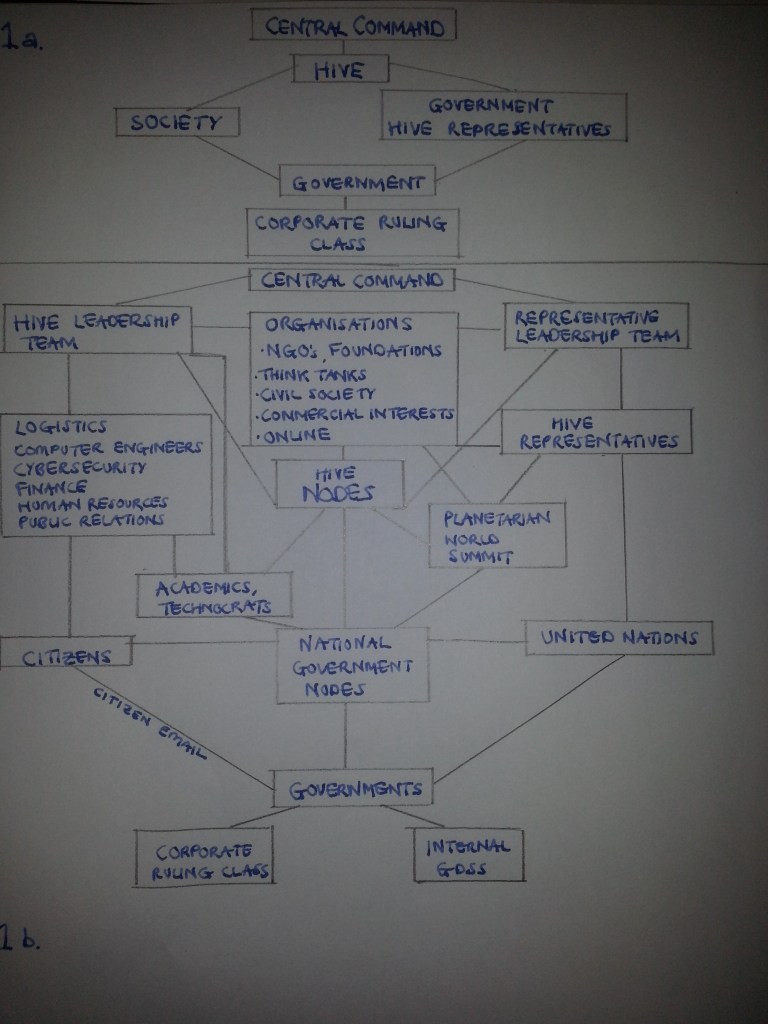
THM will largely be led by technocrats in all fields, mainly by academics, but it aims to be all inclusive of the public in more advanced stages of development. It essentially acts as an information channel between society and government via the representatives which can fortify both these groups to become more effective.
Governance:
The UN is the world’s only truly universal global organisation but it is only weakly connected to the masses. Our proposal aims to change that by creating the world’s second universal global organisation as THM which is largely created for and by the people. But we also would like to join these two organisations to bring more legitimacy, credibility and impartiality to both their endeavours and improve their efficacy and bring much needed change to society. The Hive exists largely online connecting experts globally including world, business and academic leaders and the public. But to link THM to the UN there would first be a process of developing it over some years to such a state of reputability on issues such that it becomes an authority on global affairs. We propose the creation of an organisation which is viewed as cooperative and non-threatening to the existing power structures of the world such that we may make a seat at the table for the masses in such a way that democracy doesn’t currently allow.
Upon achieving a certain autonomy and stability of THM we would attempt to embark on the ambitious task of applying first for non-member state observer status to the UN. Whilst it may seem unusual to induct a largely stateless and faceless entity to the UN there are other atypical examples which indicate flexibility to the process. This includes the Holy See which is the ecclesiastical jurisdiction of the catholic church in Rome and the sovereign entity with statehood over the territory of the Vatican City state. In 2004, after 40 years of observer status, they were granted rights of full membership, except for voting rights. THM would strive to emulate such a process but hopefully with an accelerated timeline. There are many intergovernmental organisations which have observer status to the UN including CERN, Interpol, OPEC, OECD, University for Peace, The Red Cross and the Olympic committee.On this basis, acquiring observer status for an online organisation representing all global states as a voice for citizens is a reasonable prospect. Using the Holy See as a unique example of membership provides leverage to entertain the idea of THM attaining membership simply beyond just being an observer. The Holy See’s membership is not without question since some claim that being a religious organisation it should not have the right to participate in a position analogous to that of states in the intergovernmental DM process on social, cultural and economic matters. Also, the lack of status for other religions is cited as another point of controversy [4]. Achieving status of full membership, or something close to it, would allow THM to be represented by individuals who speak for the technocrats and informed masses on global issues. They would exercise an impartial voice of reason backed up by the rigorous online discussion of topics so they can raise issues and participate in UN debates. By setting such an ambitious goal at the inception of THM we raise the bar for the expected functioning of the organisation to achieve. This will provide a milestone to work towards and will help provide momentum throughout the project.
This might seem a fanciful or unrealistic proposition but it would be wise to assume that the consistent degradation of our environment is likely to continue under the current operating power structure. It might also be prudent to assume this structure is unable to take effective action to prevent this destruction, perhaps because of extreme aspects of human nature which arise when such power is involved. It may be that powerful groups of people are stuck in a deadlock or stalemate in which they refuse to give way to rivals and choose to maintain all resources at any cost. But we should also hope that there are individuals within the power structure who strongly desire for more sustainable practices and would welcome this new and harmonious element to help restore balance to the world. Another likely cause of the inability to correctly manage our civilization is extensive regulatory and deep capture of government agencies. This is where government failure occurs when a regulatory agency prioritises the commercial or political concerns of special interest groups over the interests of the public, leading to a net loss to society. Members of government committees are subject to many factors which prevent them from stopping these abuses of power. Rather than risk their career and take a stand by challenging big business they choose to hold onto temporary power and maintain the status quo. The system is inherently skewed to keep members in the ranks over decades that are prepared to accept this; those who do not will either leave or experience righteousness fatigue and stop fighting for what is best for society and the planet.
THM representatives can do things that named political persons are unable to do such as continually raise and back controversial, but necessary issues and to remain consistently critical of global policy in attempts to steer humanity back to safety. They act as adjudicators to party politics and GG by emphasising the best strategies over those favoured by lobbyists and commercial groups. Their presence in the political system would be a symptom of the serious disorder society has created and are there to remind our leaders each day about the severity of the situation. By 2050 world population will approach or exceed 9.6 billion so we must prepare carefully, not only to dismantle the damaging systems we have created but also to support so many humans sustainably. This can only happen using holistic and improved education, planning and implementation within business and society.
Powerful interests may wish to silence, as they may see it, organised dissent and so topics discussed must be cautiously controlled and monitored. All major discussions would require an authorisation process to engage the hive and controversial topics of discussion will be disallowed to avoid infiltration, sabotage and obfuscation. THM will make it clear that our purpose is to assist governance and that it is best to focus on the issues which require the most urgent attention. This is not a limiting of freedom of speech since there is an entire internet to discuss any subject, but for intents and purposes of the hive, some censorship is justified. The idea here is to create a channel for technocrats and the public to have input on global DM if only in a passive manner to begin with. This allows for an informed network of individuals to engage these topics and to discuss and research how matters on the planet can be handled more appropriately. Once this has been established it can exist not only as a support but as a legitimate entity to defer to as has previously happened where technocrats were brought in to lead governments through crises. It could also even serve as a standalone governing body capable of taking the reins from the current power structure. This may happen if current leaders determine that THM is most fit to govern or if global conditions deteriorate to such an extent that a social revolution demands this. So ultimately, we would be creating earth’s plan B as either an adjunct, successor or as a last resort to our current system.
Integrating the hive mind into governance:
Integrating THM with the UN using representatives is a process that could be replicated with nation-state governments and would improve GG. Again, perhaps initially as just an observer with a view to securing the analogous position of the holy see in the UN as a non-voting delegate. This position allows the right to participate in all meetings open to all member states, the right to make points of order and to exercise the right of reply, the right to circulate proposals and position papers as official documents, and the right to co-sponsor draft resolutions and decisions. Just as in the UN, these representatives act as a neutral voice which can withstand criticism and act to inform of the negative consequences of poor DM. They are also the visible and audible reminder that government is working for the people and to reinforce accountability of decisions made. It should be mentioned here that THM is divided into subsections or nodes which allow online members to subscribe to different nodes to learn about and participate in particular issues and topics. Each national government which integrates hive mind representatives into its organisation will have a dedicated node online, exclusively for citizens of those countries to subscribe to, at least initially. This does raise an interesting point that if we are to become a more balanced planet, would we see the dissolution of national boundaries begin with international online deliberation on individual national policies by all global citizens?
With the introduction of THM into governance, we would hope to influence the very structure of DM within governments and intergovernmental organisations. Much of our problems with existing systems are those stemming from human nature such as ego, fear, greed and self-serving motives with a lack of ethics. When this element is taken into context of human behaviour in groups with power, we see poor outcomes in decisions and actions. Even our best examples of cooperative problem solving such as scientific research are not immune to the inefficiencies our nature causes. There are cascades of collective cognitive pathologies within the intellectual coalitions such as ingroup tribalism, prestige-seeking and moral-one upmanship. It is expected that technocrats and scientists would have better or more accurate views of reality and beliefs because of greater specialised knowledge depth. But individuals will settle on beliefs and views by both consciously and unconsciously reviewing the social payoff in being coordinated or discoordinated with others’ beliefs. Because intellectuals network in self-selected groups linked by discipline, department and institutions, there is an incubation of endless self-serving elite superstitions and this can be said for most other organisations also [5].
Within groups where the main tasks are to make decisions such as in management or governance structures we see a huge range of pitfalls in group discussion. To name a few these include,
Bolstering: where decisions are formulated quickly without thinking it through and then it’s favourable aspects exaggerated to seem more effective than it really is.
Satisficing: which combines the words satisfy and suffice where members accept low risk, easy solutions rather than searching for the best solution.
The law of triviality: where the amount of time a group spends discussing an issue is inversely proportional to the importance of that issue.
Abilene paradox: This stems from groupthink and herd mentality where the group is unable to manage agreement. The course of action decided upon can be counter to that of many or all in the group where members choose not to ‘rock the boat’.
The methodology of THM will use technology to help minimise or completely remove these inefficiencies and demonstrate its utility thus encouraging its use in governance. We are already seeing the use of the internet within governments which is broadly described under the term e-governance which has four primary delivery models:
Government to Citizen (G2C)
Government to Business (G2B)
Government to Government (G2G)
Government to Employees (G2E)
THM would focus efforts on strengthening the G2C component and to develop, inform and support the G2G component. As an example, the UK government uses an IP based virtual private network (VPN) called the government secure intranet to allow file transfer, directory services, email exchange and voice and video services. THM would seek to augment communications over government intranet using specially developed group decision support system (GDSS) software which will include the key element of anonymity for specific discussions and proposals. Traditional DM research has held that if identity is not known groups can make better decisions. We see this for many reasons including that low status individuals who have helpful information but don’t want to express their views in front of high status individuals; individuals making incorrect attributions about another’s expertise and incorrectly deferring to them; high-power individuals commanding too much discussion time. In studies testing anonymity in DM they found it generated more novel arguments and more contributions, particularly critical ones, which is beneficial if constructive [6]. We see anonymous critique as a successful method such as in the example of the double-blind review process for academic journals. It promotes objective evaluation of inputs by the recipient as it helps individuals to cognitively separate contributions from their contributors [7]. Whilst anonymity has its benefits it is likely to be imperfect the smaller the group number such as in parliamentary party committees. A study tested whether anonymous comments were truly anonymous by examining comment length, evaluative tone (especially the use of humour), prior group membership and prior communication among group members on attributions made about the identity of the authors. The attributions made were significantly better than chance but most of them, however, were incorrect so even in small groups a certain level of anonymity is possible [8].
The use of anonymity in GDSS’s would be perfected with its use in THM and so it would provide immediate benefits upon it’s transference to government. This will transform government by retaining and attracting individuals who were previously uncomfortable with the irrational nature of human group decisions. These people may be effective leaders but choose to avoid roles in governance because they perceive our current institutions to be lacking in efficacy and integrity. Factors such as cronyism, nepotism, corporate influence and pathological competition all obstruct progress and make current politics a hostile working environment. So, it only attracts individuals robust enough to tolerate it but this limits the pool of talent available. Thus, THM will help widen the expertise base since it allows for important, but potentially unpopular viewpoints to be heard anonymously within government without fear of reprisal or rejection.
The Role of the Hive Representatives in Governance:
In intergovernmental organisations like the UN there would likely be a single representative from THM for personal communications and during meetings and but would eventually expand to include representation in all major UN agencies. In national governments, representatives would be small in number initially but would eventually grow to equal the number of the most senior government ministers. Using UK parliament as an example, the cabinet is the collective decision-making body comprising the prime minister and 21 cabinet ministers. So, the hive would create a node for UK government and have 21 sub nodes to discuss the various issues pertaining to each government department. A representative is then selected for each of these sub nodes to attend government meetings to deliver findings of the hive, help develop policies and question government decisons. This is something like the shadow cabinet which is formed by the opposition party members but crucially hive representatives are not electable and can, therefore, offer an unbiased viewpoint. The inclusion of THM in governance can bring a trans partisan dimension to party politics which accepts the validity of truths across a range of political perspectives. It will help to synthesise all viewpoints into an inclusive, pragmatic container beyond typical political dualities. Thus, no point of view is excluded and none are exclusive of any others so the hive can act as a balancing mechanism in our largely bipartisan political democracies.
A caveat to the hive’s role in government is that it won’t interact or interfere with secret service intelligence agencies. They are a vital part of national defence and the information they possess and acquire is confidential and classified therefore they will operate as normal and be handled by government officials in the usual way. So, in conclusion, we are not trying to completely overhaul governance but create a hybrid of conventional politics and e-governance using THM.
The Hive Mind:
This section explains the structure of THM and how it fits into governance as shown in figure 1b. The name of this global brain derives from its resemblance to an insect colony where each individual carries out specific duties to contribute to the whole. Such an online network created to address the world’s most pressing problems would be the convergence of countless man-hours spent developing ideas and software since the birth of the internet to become this vast interconnected modular framework. It would become the official place on the internet to contribute to and monitor global progress in solving planetary issues using G2C e-governance to connect citizens to THM. This way, the public can become aware of its existence through official government communications and promote engagement with GG. It should be something like a home or hub of the internet which is why it would champion the importance of having the internet as a global commons and to be an ambassador for net neutrality. Its function will bring unique applications of the internet all together in one place and help bring order to chaos from the masses of information networks online.
To be able to process and view all the multiple sources of information on THM it would be useful to incorporate virtual reality workspaces allowing many windows in the field of view and to explore 3D mind maps. Human knowledge has so many complex interrelations that it is described as having intertwingularity and this requires a 3D model to map it out. This cross connection among a myriad of topics cannot be divided up neatly and so virtual reality is needed to visualise this. THM will draw upon the functionality of many websites currently on the internet and bring them all together either by using similar ideas or partnering with them to use their proprietary software in return for advertisement privileges. These include:
Database and answer engines – Wikipedia and Wolfram Alpha [9]respectively
Question and answer sites – Quora[10], Stack Exchange[11], Physics Forums, Yahoo Questions
Diverse, selective news feeds – Reddit World News, Slashdot[12], NasaTV
Opinion poll sites – Unu[13], Pollmole[14], Survey Monkey[15]
Mindmapping tools – Pearltrees[16], Groupmap[17]
Academic research – ArXiv[18], Academia.edu[19], Zotero[20], Researchgate
Education sites – Khan academy[21], Stanford online, Skillshare[22], Youtube
Research tools and citizen science – Diigo[23] and Zooniverse [24]respectively
Automatic summarization tools – SMMRY[25]
E-petitions – Avaaz[26], Change.org[27], UK and US Gov petitions
Collaborative consumption/peer to peer – Kickstarter, Indiegogo, Gofundme
It would require full time paid employees to work on the hive which could include hive users that demonstrate expertise, proficiency and commitment to the cause. There would be a reward system developed for users making useful contributions possibly using a cryptocurrency like bitcoin as payment. The stack exchange serves as a good model for a system of reputation and rewards to honour useful contributors. Reputation points would enable users to attain positions of leadership in discussion and the rights to raise new ideas for topics for future discussion. This leads us to the gamification of THM with virtual reality, reputation points and financial incentives available. This can attract and inspire the younger generation who have vast learning potential as well as energy and eagerness.
One of the most important aspects of THM will be the use of anonymity during group discussion and other activities, for reasons previously mentioned. To still account for accrued reputation points and monetary rewards there is a need for a two-step authentication process to access the hive network. First, they would sign into a personal account which contains user data such as verified qualifications to assess the expected level of user input and select a classification based on expertise. Then they access the hive network through a second authentication process which assigns a unique anonymous designation for the session duration. Any activity during the session such as upvotes and incentives awarded are documented and are applied to the user’s personal profile and recorded in their account. The hive will reward commitment, consistency, constructive criticism, ingenuity, leadership in group discussion and useful contributions. This system does raise the issue of cybersecurity and hacking, which can compromise the privacy of user identities and lead to the abuse of the financial payment and reward scheme. To minimise or hopefully eliminate this threat a dedicated cybersecurity team is essential in the safeguarding of THM and their knowledge will assist in designing a secure site. So, recruiting and employing ‘white hat’ hackers and educating users about online privacy by recommending software and programmes to use is vital to the success of THM. The use of opensource is again emphasised such as using Pretty Good Privacy (PGP) encryption, live operating systems like Tails and browsers like Tor. Blockchains can be used to secure financial payments, which are an open, distributed ledger that can record transactions between two parties efficiently and in a verifiable and permanent way. It may even require a technology revolution to allow this kind of anonymous global cooperation online with new encryption software and hardware.
As mentioned, an authorisation process will be in place which determines what topics can be discussed and this comes directly from central command if such approval is deemed necessary. There will be a constitution establishing directives, protocols, policies, procedures, regulations and a code of practice to outline the maximisation of productivity and provide guidance on subjects to avoid. This mandate ensures that the hive works on problems most requiring attention and retains neutrality by discouraging excessive naming and shaming. With any problem, it’s always best to first determine the severity of the issue, in this case, it will be documenting global devastation and destruction and then to list current methods being used to solve these problems. Then pinpointing the issues at the core of the problem and to develop strategies and more optimal solutions to co-ordinate future efforts. This will involve the creation and curation of lists and databases and then surveying and ranking data on perceived relevance and value. This knowledge retrieval can make use of website annotation tools such as Diigo [28] and it will employ hive roles including scribes, data entry and database editors in the curation of wiki style files. The machinations of the hive exist in the collection, judgement and interpretation of this data which leads to its analysis to generate solutions. This will use a combination of a chat and forum format for deliberation incorporated into GDSS. It is this mass collaboration of individuals where a roadmap will originate to formulate an optimal form of GG. This relies on the development of a research platform which is not only capable of finding such a form of governance but in solving any other reasonably complex problem. These are the aforementioned hypotheses 1.) and 2.) and testing them may lead to investigations of how an artificial intelligence (AI) would use algorithms to find answers and using THM to model this using human brains as processors. The knowledge and methods used in AI research to programme software that uses logic, reason, deduction and analysis could be the basis for a symbiotic relationship between the development of THM and AI software.
The exact format of THM would need detailed research and planning beyond the scope of this essay. But there is much research being done on this concept by both university and government such as the SWARM project[29], Create program[30], ACE program[31], Collaborative Innovation Networks (COIN)[32], Good judgement project[33] and Scicast[34] to name a few. But it may adopt some of the principles of commons based peer production (CBPP) where individuals self-assign tasks that suit their own skills, expertise and interests. CBPP refers to any coordinated, mainly internet based effort whereby volunteers contribute project components and there exists a process to combine them to produce a unified intellectual work. Ideally, participants can work asynchronously without having to wait for each other’s contributions or coordinate with each other in person. Examples of such projects include Linux, Github[35], Wikipedia, Slashdot, SETI@home[36] and wikiprogress[37] which relatedly, is a project for collecting information and data on measuring the progress of societies.
Citizen membership to THM would aim to be global in the future with every person given the chance to participate in the development of society. At the beginning though it would recruit experts from all fields and form connections to all major institutions including government, non-governmental organisations (NGOs), think tanks, civil society (advocacy, labour, religion), commercial interests, foundations, charities, academia, academic journals and online organisations. Leading members of these groups will be given high status within the hive because of their knowledge and expertise and will be invited to the Planetarian world summit to review global progress. There will be pathways of information flow between these groups and the hive to provide new ideas and insights. Once data is received it is processed to extract the most useful information and then synthesised into a concise format for ease of dissemination within the collective. The hive will rely on academic institutions, whose members including professors, staff and students who not only have ideal research training but often less rigid time schedules which can free up time for THM. Working alongside government on this issue, it may be possible to arrange for university associates to be provided with financial assistance to help with the hive research and operation. This could be the trialling of something like a universal basic income which could eventually be rolled out across nations for individuals to be supported financially to allow committed citizens to devote time and energy to working on THM.
By bringing together the biggest organisations, foundations, philanthropists, global experts and citizens under this one consortium, we jointly form a visible authority. When the hive asks governments and corporations the tough questions; they will not be responding to a faceless website but to the renowned international pioneers of peace and progress with a captive worldwide audience.Correspondences between THM, governments and corporations will discuss the environmental and human impacts that our organizations are causing and will ask of what efforts are being made to halt and reverse this damage. This creates a visible accountability where conglomerates and leaders are obligated to answer for these oversights because these exchanges will be witnessed and documented. The reason THM can have these difficult discussions relies on the inherent anonymity it has; which governments do not possess. Hive representatives can relay information to government assemblies and thereby empower our leadership bodies to fight to do more to repair our damaged ecosystems. A critical primary task for the collective will be to enable governments to install sustainable development, firstly within developed nations such that it can be later be replicated in developing nations. This will involve meeting the 17 goals and 169 targets set out in the sustainable development goals initiative and this will require raising global awareness. The outgoing UN General Assembly president has called for school children to be taught about such things [38] and THM treats educating children about the world as a core value in its mission.
THM motto is ‘Take all variables into account’ and with this in mind, we must ensure that all contingencies are prepared for to prevent this model from being used as a weapon against the people. This will include stipulations in the constitution to prevent this.
An inspiring quote from the visionary Arthur C. Clarke – “New ideas pass through three periods. 1. It can’t be done. 2. It probably can be done, but it’s not worth doing. 3. I knew it was a good idea all along!”
3. Argumentation demonstrating how the model meets the assessment criteria
Core values:
Education:
Today’s society is largely run by a patriarchy and if likened to a family it is as though society is being provided for and parented by a lone father. But father is like a reckless, drug addled gambler that neglects the home and children and caused mother to run away because he was abusive. THM acts like a mother that brings order to the chaos and cares for society to nurture and grow a healthy population. A mother is nurturing and supportive and helps make healthy, effective and aware people; but society is missing this factor. What the world needs now are future generations of resilient and empowered planet savers so the best and the brightest can rise to take on the challenges we face. Our education systems in even the most developed nations are grossly inadequate to teach children about the life skills they need upon leaving school. These include some very basic things that life is made up of like nutrition, conversation, thinking critically and making decisions. Personal relations including social norms, manners, boundaries, empathy, when to speak and when to listen, dating and relationships. Important things like finding a job, handling money, credit cards and personal credit. Life skills like goal setting, time management and learning from failure even self-defence and home repairs. Other subjects such as how governments and the world works including politics, economics and the law. Then miscellaneous topics like mistakes to avoid, self-knowledge, emotions and rationalising difficult situations. When we buy a new piece of equipment it comes with a manual and life should be no different. THM will educate people about how our psychology and crucially how our desires and actions are governed by brain chemicals. This can help people to identify and understand behaviours which negatively impact their life and how to constructively satisfy these brain chemical drives. Many of these things can easily be taught as written courses online or video tutorials. The hive will create standardised, pedagogically optimised education materials and push for government to incorporate them into curriculums throughout schooling years. This can be set within the school day or as homework tasks and is essentially self-taught online. This education can prepare children to recognise the experiences and dangers they may encounter later in life. Incorporating this life education for digital natives in developed nations should be easy but it will be a challenge for the 5 billion poor in developing nations that don’t have time for 18 years of ‘rote’ education. A streamlined education plan is needed for them to help stabilise their nations afflicted by poverty, disease, environmental degradation and all other predations upon humans who are brutalised by their circumstances. Human potential is so often wasted because of lack of knowledge and awareness. Currently, humans are treated as a resource but they are more like capital or an investment. Resources are acquired and utilised in a predictable, linear fashion; but investment capital can be grown nonlinearly, as humans can if you invest in them.
In the UK, G2C e-governance takes the form of the government gateway, which contains information about tax codes and payments. THM would push to expand this to create an individualised government email for citizens to include important notifications or information such as elections, tax changes, changes to laws, local public service changes etc. For instance, during food or technology product recalls potential customers should be informed directly through such a government email system rather than relying on people hearing about such things on the news. This government email would become active when children start school and would connect them to the THM through the online education materials and other areas they may subscribe to for personal or educational development. As they progress in years more of THM functions and learning materials become available to them.
Sustainability:
Sustainability is the fundamental core value of this model because nature demands a dynamical equilibrium for it to continue to support life. In view of this, we have coined the term Planetarian as the name of this hive mind concept, worldview, ideology, movement and lifestyle. It aptly describes a way to operate civilization by putting the planet as the focus of all our activities. Whilst this essay competition does not ask for solutions to world problems we will outline here one fundamental key to sustainability which is powerful but often overlooked. It is the cornerstone of the Planetarian vision and is treated as essential information which should be shared with all citizens because of the huge impact it has. We are talking about the diet of the world’s people. The first law of cybernetics (the study of systems) states that the unit within the system which has the most behavioural responses to it controls the system. If you take the system as being human civilization we can deduce that the ‘unit’ which controls the system is the most valuable to humans. This unit, second to water, is the food which we eat since it is the most basic human need. It also presents a wide variety of choice to each person, particularly in developed nations and these choices have far reaching consequences at many levels. These consequences are the behavioural responses of the system to this unit and can be delineated along three levels.
At the primary level, the choice of food directly effects the consumer’s state of health over their lifetime and thus their wellbeing and happiness. The Planetarian diet promotes eating more meals that are lower in animal products for one primary health reason which is the bacterial toxin load that they contain. Our atmosphere is full of airborne microorganisms including fungus spores and bacteria which is why our bodies need immune systems to fight any invading pathogens. Animal cells are spherical and are easily punctured by bacterium whereas plant cells are square, boxy, rigid and have double thick cell walls for protection. This means that bacteria can multiply in animal products much faster than in plant foods. Meat can be sat on the supermarket shelf for days and add on the time from slaughter to processing to packaging. These bacteria produce waste products just like all life forms do and they create toxins in the animal products. Whilst cooking and pasteurisation can remove living bacteria from animal products it still leaves behind the toxins. People eating two or three meals a day containing these foods are dosing their bodies up with toxins which must exhaust the immune system attempting to clear up this deluge. Interestingly, eggs, when cooked from fresh, are largely bacterial toxin free if eaten soon after cooking because they were protected from bacteria by their shell. Studies have shown that inflammation occurs almost immediately after consuming animal products because of the endotoxins they contain [39]. Perhaps this is the smoking gun that explains the huge increase in poor health of developed nations because of constant immune activation among other factors of our modern lifestyle. The immune system is responsible for clearing up free radical damage which can cause cancers so we need to rest the immune system so it is ready to prevent cancer cells from taking hold. A study found that those eating plant based foods had blood that was eight times more effective at fighting cancer cells than an animal product consumers blood [40]. Then in October 2015 the world health organisation also declared processed meats as carcinogenic [41] so all the evidence is suggesting a radical shift on diet perspective is overdue.
At the secondary level, the food consumed will affect the systems they engage with including family, friends, colleagues and surrounding community. With healthier and happier citizens there will be better functioning families and relationships and less pressure on overstretched national health services.
Then at the tertiary level, it effects the environment since animal agriculture requires large resources and produces large quantities of greenhouse gases. Approximately 20% of all greenhouse gas emissions are associated with livestock production which is more than all transportation combined, including aviation. Global agriculture uses about half of the ice-free land area of the earth and 70% of this is used for livestock production[42]. Agriculture, particularly meat and dairy account for 70% of global freshwater consumption. The UN food and agriculture organisation state that food production would have to increase globally by 70% by 2050 to feed the surging population of the time[43]. There is not a capacity for the atmosphere or oceans to absorb that amount of greenhouse gases or enough land or water to sustain that amount and type of agriculture in 2050. Animal agriculture is also the leading cause of ocean dead zones, world hunger, species extinction and responsible for 91% of deforestation[44]. Meat production is an environmental disaster now. If we try expanding this for a larger global population it will be an unthinkable disaster. Concentrated animal feeding operations (CAFO) use large quantities of water to grow corn as livestock feed and it is the water which is subsidising their operations often without care for water reservoir levels even in times of drought. Large multinational corporations have the power to externalize so many costs and there is no ‘true cost’ accounting. This is short term thinking but we need a long term vision.
There is an overreliance on animal products and this is causing an imbalance in our ecosystem. The difficulty lies in persuading people to change their dietary habits because we experience strong cognitive dissonance when confronted with negative facts about our food choices. Therefore, it requires an open and inclusive paradigm shift which does not seek to eliminate food groups but to advocate for a mindfulness of the animal product consumption of each meal, day or week. The Planetarian lifestyle recommends meals or daily diets be modelled on those shown in the Planetarian wheel of figure 2 and to aim for choices as close to the centre as often as possible. It shows the many ways to moderate the diet which places the role of bacterial toxins at the heart of the issue.
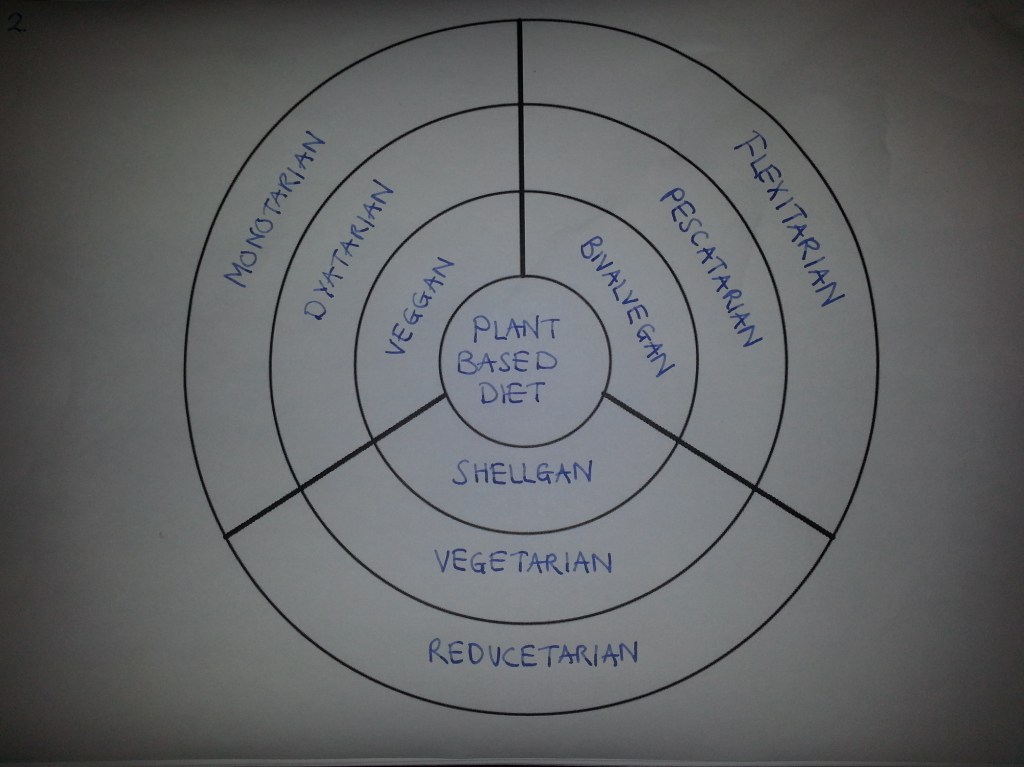
At the centre is the plant based diet (PBD) containing no animal products.
Veggan is a PBD with the addition of eggs, which if eaten cooked fresh from the shell they are bacterial toxin free.
Bivalvegan is a PBD with the addition of bivalves such as muscles and oysters.
Shellgan is a merging of veggan and bivalvegan diets which includes shelled animal products, primarily eggs and bivalves. This is the most nutritionally complete food combination or diet which is essentially bacterial toxin free and sentientist (molluscs are considered non- sentient having no central nervous system).
The unofficially titled ‘dyatarian’ approach to a daily diet where two meals out of an average of three are from the inner ring of the wheel. Thus, two meals are bacterial toxin free.
Pescatarian excludes eating animal flesh except for fish or seafood.
Vegetarian excludes all meat and fish.
The unofficially titled ‘monotarian’ approach which includes eating just one meal of the day which is bacterial toxin free.
Flexitarian is where a person will eat a variety of animal products but moderate the frequency that they do so.
Finally, reducetarian commits to limiting animal product consumption to any degree; examples ranging from ‘meatless Mondays’ to simply cutting out milk from hot beverages one day a week.
So, these simple changes can allow anyone to easily align with a Planetarian lifestyle and move around the wheel as much as they feel comfortable, to do their part for their health and the environment. There is incontrovertible evidence that adopting such a lifestyle as a society is going to be unavoidable if we are to create a sustainable world with such a large population.
Our world is formed by the actions we make individually and collectively. These actions stem from the core values and these in turn effect and determine the social policies of global governance. The Planetarian vision splits these actions, core values and social policies into 5 layers of a pyramid. Upper layers rely on lower layers being optimised.
The lowest layer is that of personal actions which are the basis of consumerism which should be guided by the core values of sustainability including aligning with Planetarian food choices. These effect policies of agriculture, healthcare, family (population), energy and water.
Public action is that of government spending and is guided by core values of communication and information sharing. These impact the social policy of education and society including the functioning of the global workforce. THM calls for budgets to be fully accessible and rationalised in favour of the citizens that bear the burden of taxation.
Private action is largely that of corporate capitalism which should rely on core values of accountability and transparency which determines the social policy of economics and justice. In this context justice refers to corruption since corruption of the few imposes poverty on the many. THM can form a digital network of citizen watchdogs and anonymous whistle-blower havens which increase detection of fraud, waste and abuse. Crime is also reduced by optimising personal and public actions.
Foreign action must be guided by the core value of equality which is needed to overcome the element of kinmanship which manifests as nation vs nation and race vs race. Equality helps to form balanced, progressive and globalised diplomacy and immigration policies.
The apex of the pyramid is governed by political action which is that of our democracies and requires core values of compassion and understanding. These actions determine the security policy of military and defence which, if all the other core values are unified and the corresponding policies corrected then peace is more likely to exist.
Global future actions are determined by the long-term vision we take in all our current actions and THM can inform and improve on these actions using the core values to achieve this.
Challenge criteria:
THM will be able to deliver the necessary networking, ideas and solutions to help resolve global governance policies in the lower two tiers of the Planetarian policy pyramid largely by just informing the public. The implementation of this initiative requires no outside help from government and can begin immediately online. In the first phases of integrating THM into governance bodies, the influence of representatives will largely be only to inform from a perspective based on the core values. But they will also act as negotiators for the future of humanity and in time the hive may become appointed as a voting delegate allowing participation in decision making. Thus, this essay doesn’t offer a complete picture of a finalised governance model but provides an overview of the elements required and realistic steps towards creating such a system. The effectiveness of this model derives from the adaptability of its largely online organization structure allowing for manoeuvrability of human intelligence resources by deploying people to areas of concern when needed. Also, the feature of anonymity introduced into some areas of government decision making provides freedom for politicians to be more impartial in decision making. This creates flexibility in the system and THM itself will constantly monitor where and when improvements can be made. The financing of such a project would require multiple monetary streams such as public and private donation, government funding and philanthropist support. Advertising revenue can be considered also but since sustainability is a core value for THM it would only be for approved sustainable products and services.
THM creates a level of transparency using an effectively networked group of people to analyse global activities and determine their causes and possible solutions. This raises the insight of the collective by allowing many more viewpoints to be considered with the added benefit of identity protection for users expressing their thoughts. Protection from abuses of power within THM will require secure anonymising software for users and higher levels of encryption and secure access methods for leadership members. The core value of equality used to overcome factors such as kinmanship is strengthened by the inherent anonymity of contributions to online discussion since any differentiating feature among users is invisible. Corruption of THM is limited because it uses representatives to deliver the narrative from unknown technocrats so bribery would be ineffective. THM will model an organisational structure using accountable leadership which may serve as an example for real world governing structures to emulate and garner the trust of citizens through transparency.
This essay was inspired by some ideas from the ‘Earth Intelligence Network’ [45]
References
2. https://www.globalpolicy.org/component/content/article/226/32368.html
3. http://www.bbc.co.uk/news/magazine-15720438
4. http://www.nytimes.com/1999/04/04/world/at-the-un-activists-vie-with-vatican-over-abortion.html
5. https://www.edge.org/response-detail/23867
6. http://pubsonline.informs.org/doi/abs/10.1287/mnsc.36.6.689?journalCode=mnsc
7. https://link.springer.com/article/10.1007/BF00126264
9. http://www.wolframalpha.com
11. https://stackexchange.com/
13. https://unu.ai/
15. https://www.surveymonkey.com/user/sign-in/?
16. https://www.pearltrees.com/
21. https://www.khanacademy.org/
22. https://www.skillshare.com/
24. https://www.zooniverse.org/
26. https://secure.avaaz.org/page/en/
28. https://petitions.whitehouse.gov/
29. https://www.swarmproject.info/about
30. https://www.iarpa.gov/index.php/research-programs/create
31. https://www.iarpa.gov/index.php/research-programs/ace
32. http://ickn.org/
36. http://setiathome.ssl.berkeley.edu/
38. http://news.xinhuanet.com/english/2017-09/09/c_136596500.htm
39. http://www.ncbi.nlm.nih.gov/pubmed/20849668
40. http://www.ncbi.nlm.nih.gov/pubmed/16965238
41. http://www.iarc.fr/en/media-centre/pr/2015/pdfs/pr240_E.pdf
42. http://www.europarl.europa.eu/climatechange/doc/FAO%20report%20executive%20summary.pdf
43. http://www.fao.org/news/story/en/item/35571/icode/
44. http://documents.worldbank.org/curated/en/758171468768828889/pdf/277150PAPER0wbwp0no1022.pdf
45. http://www.earth-intelligence.com/wp-content/uploads/2012/10/EIN_flyer_019.pdf
Attachments
[Written September 2018]
Since the discovery of human-induced climate change the attempts made to limit our impact on earth’s systems have been minimal and ineffective. But why? As I transition from the physical sciences to the subject of sustainability I think a good place to start answering this question is to take a wide overview of the field. So here I include a timeline of major events in the story, mainly as a reference, and then to describe some of the most important findings and projections thus far.
Important events leading up to the Paris Agreement:
1972: UN Conference on The Human Environment
1984: Montreal Protocol (Amended by the Kigali Accord in 2016)
1987: Our Common Future (The Brundtland Report)
1990: Intergovernmental Panel on Climate Change (IPCC) first report
1992: Earth Summit (Repeated in 2002)
1995: First United Nations Climate Change Conference (Repeated yearly and currently active)
1997: Lisbon Principles
1997: Kyoto Protocol
2000: Millennium Development Goals
2000: UN Millennium Declaration
2000: Earth Charter
2008: Climate Change Act (UK)
2009: Copenhagen Accord
2015: Earth Statement
2015: Sustainable Development Goals
2016: Paris Agreement
Alongside these negotiations we have collected detailed scientific data and developed models to inform policymaking and set targets. One of the most recent and comprehensive models used to characterise the dynamic between human activity and the planet is known as the Earth3 model (Rockstrom,2018). This breaks down the system into nine planetary boundaries as shown in figure 1, which if crossed can cause the whole system to fail. Here, we group together those boundaries which share similarities or are closely related and interdependent.
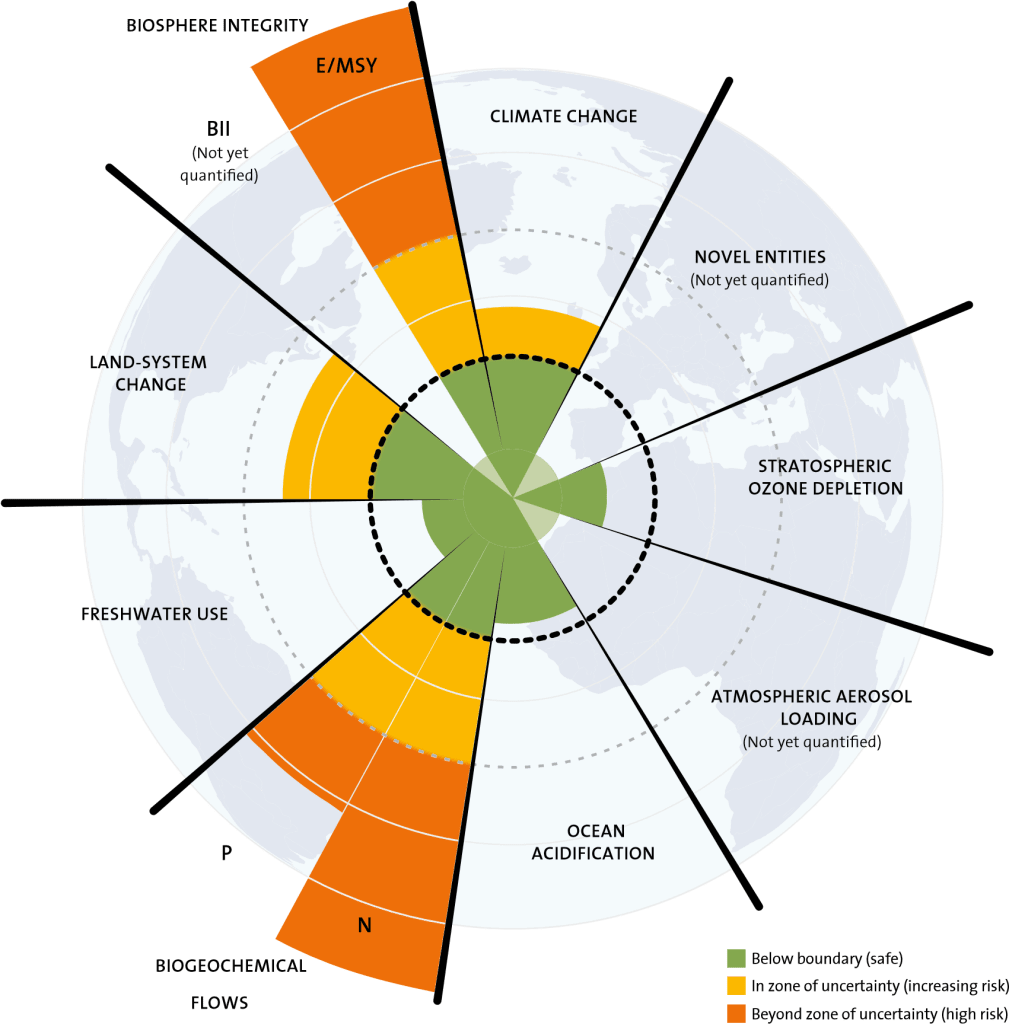
Figure 1: Nine planetary boundaries from Rockström et al. (2018). The dotted area represents the safe operating space.
The Nine Planetary Boundaries:
Atmospheric Aerosols and Chemical Pollution
Aerosols can create smog and contribute to the greenhouse effect by creating more cloud cover. Toxins such as persistent organic pollutants (POP’s) and heavy metals like mercury and lead can contaminate water and poison animals which get passed up the food chain to humans and threatens our genetic integrity. The Stockholm Convention of 2001 was drawn up to help address these issues.
Ozone Depletion
Certain chemicals break down stratospheric ozone molecules and many are involved in the process of refrigeration. Fluorocarbon refrigerants are also potent greenhouse gases and refrigerant management has been determined in one study to be the number one strategy to reduce global warming (Hawken,2017). The Montreal Protocol and Kigali Accord are agreements which have had success in reducing refrigerant risks to the atmosphere.
Biodiversity loss, Biogeochemical Flows and Ocean Acidification
Phytoplankton are at the bottom of the marine food chain and are responsible for half of the world’s oxygen (Harris,1986). Nutrient runoff from agriculture causes ocean dead zones and reduces phytoplankton populations (McQuaid et al.,2018) which both result in marine life loss. Rising atmospheric carbon dioxide (CO2) increases the seawater concentration of CO2. This lowers carbonate levels due to ocean acidification which consequently reduces phytoplankton populations (Sekerci and Petrovski,2018). These factors reduce the future ability of the ocean to absorb and capture CO2 and thus exacerbates the greenhouse effect.
Land Use and Freshwater Use
The intensive land use by animal agriculture is responsible for 91% of global deforestation (Margulis,2004) which increases biodiversity loss and further reduces CO2 absorption. Livestock production also contributes around 20% of all greenhouse gas emissions which is more than all transport combined, including aviation (Steinfield,2006).
Approximately 40% of ice-free land is used for agriculture (World Bank,2015), three-quarters of which is used for animal agriculture. 26% is devoted to pasture land and 14% is used for crops, one-third of which is used for animal feed. Agriculture, particularly meat and dairy, accounts for 70% of freshwater consumption (FAO,2016). The United Nations Food and Agriculture Organization (FAO) predicts that food production would have to increase globally by 70% by 2050 to feed the growing population of the time estimated to reach nearly 10 billion (FAO,2009).
So from these figures a rough calculation suggests agriculture will use up to 70% of earth’s ice-free land and require 50% more water in 2050. Realistically there is not enough land or water to sustain that amount and type of agriculture safely within the planetary boundaries. The most comprehensive study yet of global food consumption states that as an example of the changes needed the US and UK would need to cut beef consumption 90% and milk by 60% (Springman et al.,2018).
These two planetary boundaries also determine food security which in one recent study (Gro Intelligence,2017) projects a 214 trillion calorie food deficit by 2027 which equates to the population being short of 379 billion big macs each year. From these staggering figures a rethink on global food production appears necessary as well as strategies to limit population growth. It has been calculated that the number one personal action each citizen can make to help minimise climate change is to have fewer children (Wykes and Nicholas,2017).
Climate Change
Despite all of humanities negotiations, agreements and efforts in green energies; atmospheric greenhouse gases are still increasing (Peters et al.,2017). An alarming special report from the IPCC has warned that if drastic action is not taken we may be facing global catastrophe as early as 2030 (IPCC,2018). Another study goes further to predict that a point of no return may be reached by 2035 (Aengenheyster et al.,2018). Such a tipping point occurs when irreversible changes create a runaway greenhouse effect or cause positive feedback mechanisms in earth’s natural cycles. Some examples are shown in figure 2. This discourse has been prominent in the media since around 2005 (Hel et al,2018).
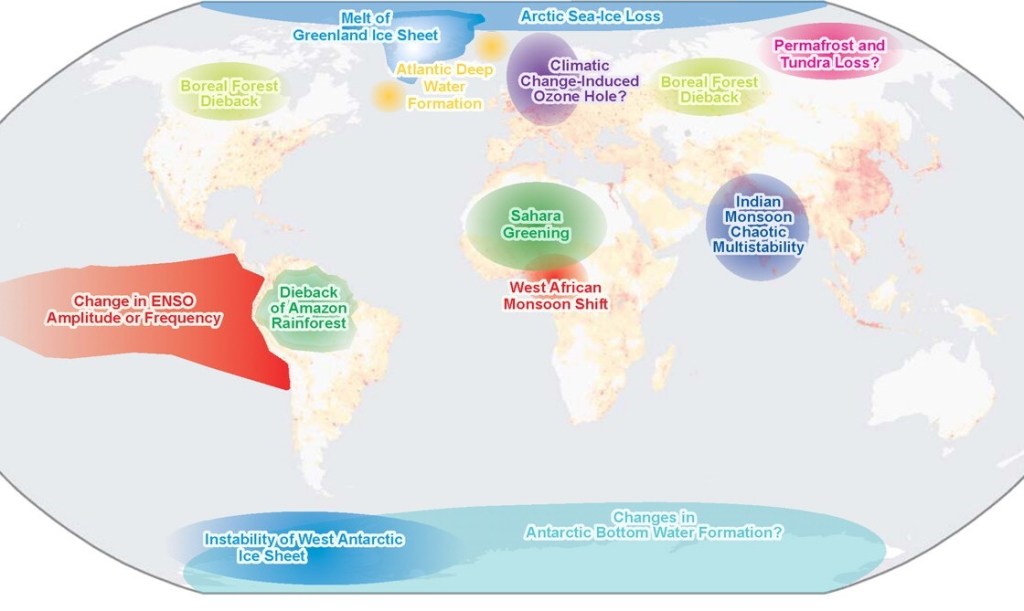
Figure 2: A map of earth showing some examples of global tipping points from (Lenton et al.,2008)
The dangers we face are beginning to permeate the public consciousness and be taken more seriously due to the extreme heatwaves and hurricanes of 2018 (Mcarthy,2018). Collectively these events and reports may put an end to climate change denial (Temple,2018) which, as a contradictory discourse, I think it has confused the issue and hampered progress. The choices humanity makes in the coming decade will prove critical to keep our planet habitable for the long term. Can we achieve this? Well… we will soon find out.
(1012 words)
References
McQuaid, J.B. Kustka, A.B. Obornik, M. Horak, A, McCrow, J.P. Karas, B.J. Zheng, H. Kindeberg, T. Andersson, A.J. Barbeau, K.A. Allen, A.E. (2018) Carbonate-sensitive phytotransferrin controls high affinity iron uptake in diatoms, Nature, 555, 534-537
Sekerci, Y. Petrovskii, S. (2018) Global warming can lead to depletion of oxygen by disrupting phytoplankton photosynthesis. A mathematical modelling approach, Geosciences 8(6) p.201
Harris, G.P. (1986) Phytoplankton ecology: structure, function and fluctuation, Berlin, Germany, Springer
Rockström, J. et al. (2018) Transformation is feasible, The club of Rome
IPCC SRI (2018), Global warming of 1.5°C, IPCC
Aengenheyster, M. et al. (2018) The point of no return for climate action: effects of climate uncertainty and risk tolerance, Earth system dynamics, 9(3), p.1085
Van der Hel, S. Hellster, J.
Steen, G. (2018) Tipping points and
climate change: metaphor between science and the media, Environmental
communication 12(5), 605-620
Peters, G.P. et al. (2017) Towards real time verification of CO2 emissions, Nature climate change, 7, 848-852
McCarthy, M. (2018) Was this the heatwave that finally ended climate denial? The Guardian 1st August, available at www.
Temple, J. (2018) The year climate change began to spin out of control, Technology review available from www.
Hawken, P. (2017) Drawdown the most comprehensive plan ever proposed to roll back global warming, USA, Penguin books
World Bank (2015) www.dataworldbank.org available from www.https://data.worldbank.org/indicator/AG.LND.AGRI.ZS?view=chart [accessed 4/11/2018]
FAO (2016) www.fao.org Aquastat, available from www.http://www.fao.org/nr/water/aquastat/tables/WorldData-Withdrawal_eng.pdf
[accessed 4/11/2018]
FAO (2009) 2050: A third more mouths to feed, available from www.http://www.fao.org/news/story/en/item/35571/icode/
[accessed 4/11/2018]
Steinfield, H. (2006) Livestock’s long shadow: environmental issues and options, Rome, Food and agriculture organisation of the United Nations
Margulis, S. (2004) Causes of deforestation of the Brazilian Amazon (World bank working paper Number 22) USA The World Bank
Gro Intelligence (2017) Gro-intelligence How can we avoid a food crisis that’s less than a decade away available from www.https://gro-intelligence.com/insights/214-trillion-calories
Lenton, T.M. Held, H. Krieglar, E. Hall, J.W, Lucht, W. Rahmstorf, S. Schellnhuber, H.J. (2008) Tipping elements in earth’s climate system, Proceedings of the national academy of sciences of the United States of America, 105(6) pp.1786-1793
Springman, M. et al. (2018) Options for keeping the food system within environmental limits Nature 10 October 2018
Wynes, S, Nicholas, K. A. (2017) The climate mitigation gap: education and government recommendations miss the most effective individual actions, Environmental Research Letters, 12(7)
The posts made here are essays i have written whilst studying for a masters degree in sustainability. The Planetarian motto is that every variable must be taken into account.
This is the first post on my new blog. I’m just getting this new blog going, so stay tuned for more. Subscribe below to get notified when I post new updates.
Hi. I am a now 35 year old student entering my final year of an MSc in Sustainability and my background is in physics having a BSc in Physics. In physics i would class myself as a theoretical physicist concerned with the underlying physical and mathematical theory of the universe and i am attempting to bring this approach to sustainability. I like the broadest of research and the most fundamentals of knowledge in a subject in order to understand and describe it as fully and completely as possible. Specialisation in a field is not my preferred type of research so i am hoping to study the bigger picture of sustainability which is such a transdisciplinary approach combining philosophy, psychology, sociology, economics, politics and environmental science which could be described under the umbrella of the emerging field of global systems science.
Essentially, i would like to determine a plan of action or at least identify some novel approaches of fixing our global systems to avoid further destruction and prevent as much human suffering as possible and even save humanity from extinction. So the content i upload is often work from my degree and thus constrained by word limits and the brief set, but i do also upload academically unsubmitted content.
I am now (November 2020) beginning the process of forming my 16,000 word dissertation research idea, proposal and question where i would like to talk as broadly as possible, covering a large swathe of global systems science topics. Ideally this would form as close to a comprehensive strategy to transform our existing civilization into a sustainable, resilient and adaptive global system to deal with the challenges of climate change and the inherent dangers we pose to ourselves by our actions on this planet. This is a big stretch within such a small word limit and gaining the approval of my lecturers and future supervisor to examine these topics as broadly as i would like, but also for the thesis to be deemed a viable research document, will be a bar i set very high for myself.
Ultimately i know it’s not possible to provide a detailed global strategy within such a dissertation and it would be more fitting of a PhD degree to aim for such great feats. This is why i am considering a global ethics PhD for 2022 as many of these strategies are difficult to manage without ethical considerations and is in part why climate change and transforming civilization are deemed “wicked problems” because of the great deal of subjectivity and philosophical concerns within them. But i still work on such problems outside of my masters degree and do hope to arrive at more detailed, useful solutions before i finish the MSc and/or PhD (should i be clever enough to achieve enrolment on such a study programme).
I am aware of the desperate need for solutions to be provided soon as this emergency is appearing to require a crisis management approach if we are looking at an accelerated or abrupt climate change timeline. Also, i prefer a certain degree of anonymity but i do have a twitter page and may provide a personal email address for correspondence if anyone has any questions or input.
My twitter is: https://twitter.com/Planetarian215

Thanks for reading and hope this research journey is fruitful and others benefit from or enjoy reading my posts. 🙂
Use this link to return to the blog or add as a bookmark, it is the blog archive: https://planetarian85.music.blog/author/planetarian85/

 The Planetarian mode of civilization allows sustainability

.jpg)
.jpg)


